
Nerve Hydrodissection
Information reviewed by: Dr Foo Gen Lin | Last updated:
Numbness, tingling or burning pain from a trapped nerve that keeps coming back? At Apex Sports Clinic, we offer ultrasound-guided hydrodissection to release the pressure on the nerve, so you can work, train and sleep with less discomfort.

MBBS (University of London) | MMed (Ortho) | FRCSEd (Ortho) | FAMS (Ortho)

What Is Hydrodissection?
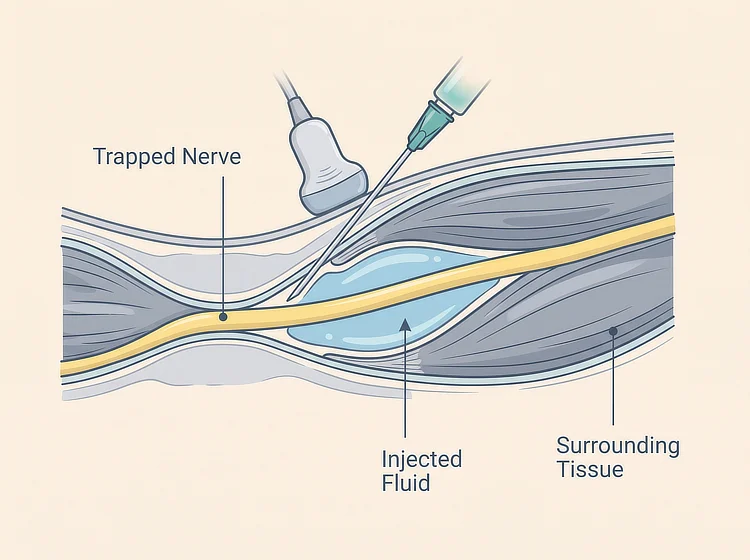
Nerve hydrodissection is an ultrasound-guided injection that aims to relieve the
pain, numbness and tingling caused by a trapped nerve (nerve entrapment). Fluid
is injected around the nerve to separate it from the tissue pressing on it.
Hydrodissection is sometimes called perineural injection therapy, because the fluid is
placed in the space around the nerve. It is not a form of surgery, as it uses a thin needle
instead of a cut and is performed in a clinic without a general anaesthetic or hospital
stay.
What Is Nerve Entrapment?
Nerve entrapment is pressure on a nerve
as it passes through a narrow space, such as a tunnel of bone and ligament at the wrist or elbow. It
commonly causes numbness, tingling, burning pain or weakness in the area the nerve supplies, often
worse at night or in certain positions, such as sitting.
A healthy nerve slides a short distance each time you bend your wrist, elbow or hip, and it relies
on small blood vessels for its blood supply. Tight tissue, swelling or scar tissue (adhesions) can
pin the nerve in place and squeeze these blood vessels.
Repetitive movements, staying in one position for long periods, injury and conditions such as
diabetes can make nerve entrapment more likely.
How Does Hydrodissection Work?
Hydrodissection is thought to work by using injected fluid to create space around a trapped
nerve, which relieves the pressure causing your symptoms.
On the ultrasound screen, the fluid can be seen spreading along the nerve and separating it from the
surrounding tissue. Freeing the nerve in this way may allow it to slide normally again and restore
its blood supply.
The fluid is usually a sterile salt solution (normal saline) or dextrose, a weak sugar solution that
may also calm irritated nerves.
A local anaesthetic is sometimes added to numb the area, or a corticosteroid to reduce inflammation
around the nerve.
Hydrodissection at Apex Sports Clinic
1. Minimal Downtime
With no cut or hospital stay, you can usually return to light activities the next day, so treatment fits around your work and training.
2. Holistic Treatment Plan
Our care goes beyond the injection, as we also provide nerve gliding exercises, strengthening exercises and advice on your daily activities to help the relief last longer.
3. Multidisciplinary Team
At Apex Sports Clinic, we are a team of sports medicine doctors, pain specialists, orthopaedic specialists and physiotherapists, so your care stays in one place.
What Is Hydrodissection Used For?
Hydrodissection is used mainly for trapped nerves in the arms, legs and pelvis, and carpal tunnel syndrome in the wrist is one of the most common conditions it is used for. It is usually considered when symptoms continue despite rest, splinting, medication or physiotherapy.
Carpal Tunnel Syndrome
Carpal
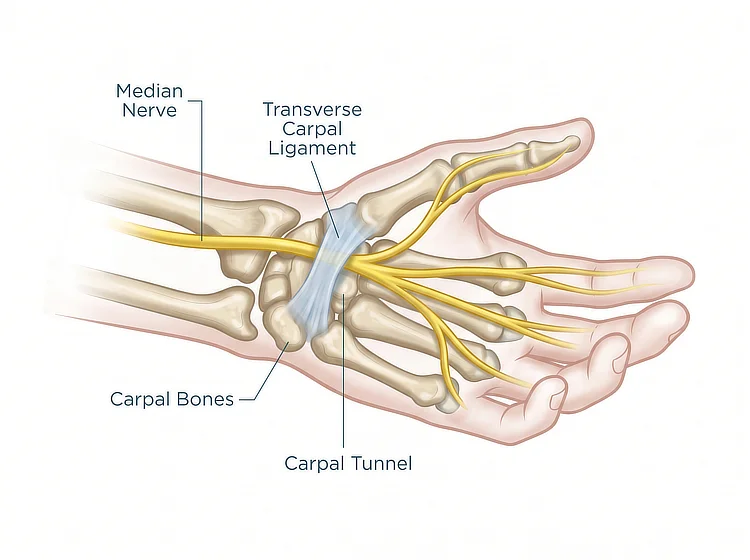
tunnel syndrome occurs when the median nerve is squeezed as it passes through a
narrow channel in the wrist. It commonly causes numbness and tingling in the thumb, index
and middle fingers, often worse at night, and can weaken your grip.
How Hydrodissection Can Help: Fluid is injected around the median nerve
inside the carpal tunnel to separate it from the ligament above and the tendons around it.
For some people, a single injection of dextrose can ease symptoms for up to six months.
Cubital Tunnel Syndrome
Cubital tunnel syndrome
occurs when the ulnar nerve, the nerve behind the "funny bone", is squeezed at the elbow. It can
cause numbness in the ring and little fingers and a weaker grip, particularly when the elbow stays
bent for long periods.
How Hydrodissection Can Help: An injection around the ulnar nerve behind the elbow
can ease the pressure on it. It is often combined with a splint and changes to how you use your arm
for longer-lasting relief.
Piriformis Syndrome
Piriformis syndrome occurs when the sciatic nerve is irritated by the piriformis muscle
deep in the buttock. It can cause buttock pain that spreads down the back of the leg, often worse
when sitting, and is one form of deep gluteal syndrome.
How Hydrodissection Can Help: The fluid is placed around the sciatic nerve where it
passes the piriformis muscle, to separate the nerve from the muscle and nearby tissue. Stretching
and strengthening the hip muscles afterwards may lower
the chance of symptoms returning.
Meralgia Paraesthetica
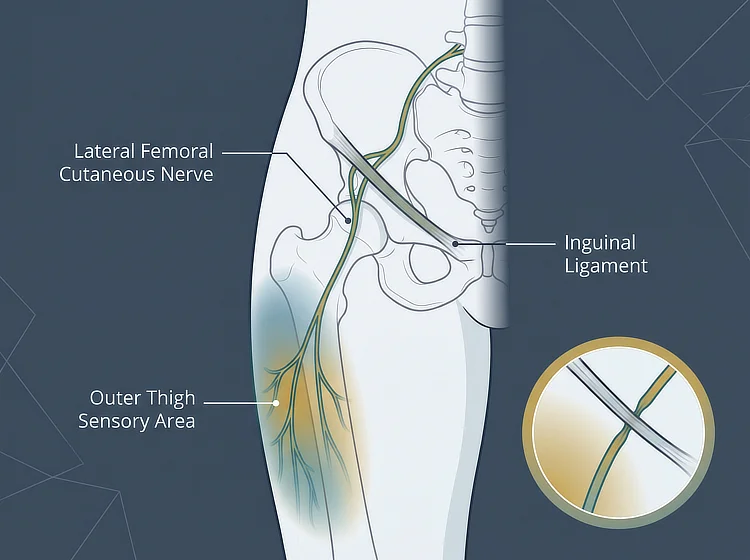
Meralgia paraesthetica occurs when the lateral femoral cutaneous nerve, which gives feeling
to the outer thigh, is squeezed near the front of the hip. It can cause burning, tingling or
numbness on the outer thigh, and tight belts, weight gain and pregnancy can all trigger it.
How Hydrodissection Can Help: Injecting fluid beside the nerve near the hip
bone can release the pressure on it. This nerve carries sensation only, so treatment aims to
ease the burning and numbness.
Pudendal Neuralgia
Pudendal neuralgia is pain caused by irritation of the pudendal nerve, which runs through the
pelvis. It can cause pain in the genitals, the area between the genitals and the anus, or the
rectum, usually worse when sitting, and is sometimes seen in cyclists.
How Hydrodissection Can Help: The needle is guided to the pudendal nerve deep in
the pelvis, and fluid is injected to separate the nerve from the ligaments that can trap it. It is
usually one part of a wider treatment plan that may include pelvic floor physiotherapy.
 Unsure whether hydrodissection suits your nerve pain? Book
a consultation for an assessment and a treatment plan built around your symptoms and
your activities.
How Is Hydrodissection Performed?
Hydrodissection is usually performed in a single clinic visit, and the process generally follows these steps:
1. Assessment
Your symptoms are reviewed and the area is examined. An ultrasound scan of the nerve, or a nerve conduction study (a test that measures how well signals travel along the nerve), may be used to confirm where the nerve is trapped.
2. Preparation
You sit or lie in a comfortable position, and the skin is cleaned. A local anaesthetic may be used to numb the skin.
3. Injection
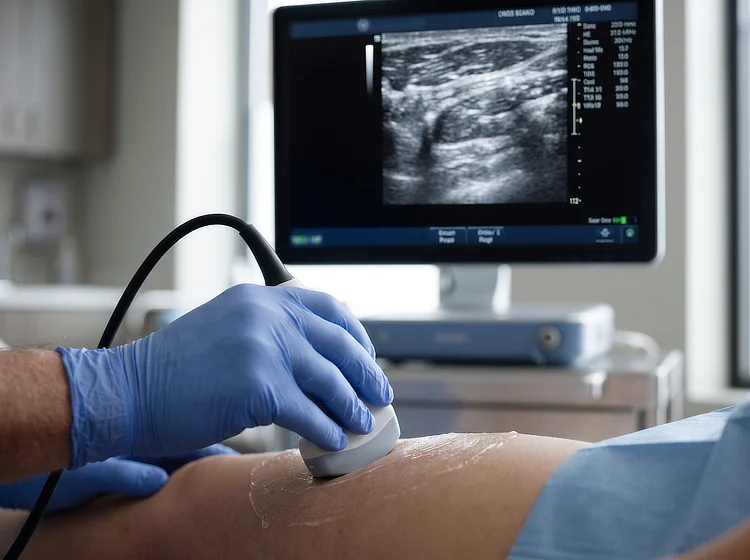
A thin needle is guided to the nerve under ultrasound, away from nearby blood vessels, and the fluid is injected around it.
4. Aftercare
You can usually go home soon afterwards and return to light activities the next day. Physiotherapy and a follow-up review may be arranged.
How Long Does Hydrodissection Last?
Relief from hydrodissection can last from a few weeks to several months, and it
varies from person to person. Some people notice a change within days, while others improve
gradually over a few weeks.
Relief from hydrodissection is not always permanent, because the habit or condition that trapped
the nerve, such as repetitive wrist movements or long hours of sitting, may still be there. Some
people need two or more injections a few weeks apart, and your doctor or specialist will advise on
this based on your situation.
Physiotherapy, including nerve gliding exercises, and changes to how you work or train can help the
relief last longer.
Potential Side Effects and Risks of Hydrodissection
Most side effects of hydrodissection are mild and short-lived, with soreness at the injection site the most common. Serious complications are rare when the injection is guided by ultrasound.
- Soreness – An ache or swelling where the needle went in, which usually settles within a few days.
- Temporary numbness or weakness – A local anaesthetic can numb the area for a few hours. After a sciatic nerve injection, for example, you should not drive until your leg feels normal.
- Bruising – A small bruise at the injection site, more likely if you take blood-thinning medication.
- Corticosteroid effects – When a corticosteroid is used, the skin may lighten at the injection site, and blood sugar can rise for up to a week in people with diabetes.
- Infection – Rare, and the risk is lowered by cleaning the skin and using sterile equipment.
- Nerve injury – Rare, as the needle and the nerve can be seen on ultrasound throughout the procedure.
Tell your doctor before treatment if any of the following apply to you:
- You take blood-thinning medication
- You have diabetes
- You have an infection, wound or rash over the area to be treated
- You are allergic to local anaesthetics
- You are pregnant
Hydrodissection Cost in Singapore
At Apex Sports Clinic, we offer ultrasound-guided nerve hydrodissection, with prices as follows:
| Treatment & Service | Estimated Cost (SGD)^* |
|---|---|
| Initial Consultation | From $200 |
| Follow-Up Consultation | From $150 |
| Nerve Hydrodissection | From $150 |
| Ultrasound-Guidance for Injections (in addition to cost of injection) | From $150 |
| Other Injection Treatments | |
| Cortisone Injection | From $250 per injection |
| Rehabilitation | |
| Physiotherapy | $212.55 per 45-minute session |
| Physiotherapy (Home Visit) | $272.50 per 45-minute session |
| Diagnostic Services | |
| Ultrasound Imaging | From $100 |
| MRI Scan | From $1,000 |
| Nerve Conduction Study | From $800 |
Hydrodissection is generally not MediSave-claimable, as it is an outpatient injection treatment, but some Integrated Shield Plans or private insurance policies may cover part of the cost. It is best to check with your insurer or employer benefits provider before treatment.
^Last updated: 2026-10-28
*Prices listed above are estimates and may vary depending on the complexity of the condition, type
of procedure, and other clinical considerations.
Hydrodissection lets us treat a trapped nerve through a thin needle, guided by ultrasound, without an operation. Combined with physiotherapy and changes to daily activities, it can ease numbness and pain and help patients return to work and sport with confidence.
Dr Foo Gen Lin
Find Hydrodissection Near Me
Apex Novena
Why Do Patients Choose Apex Sports Clinic?
Sports Doctor in Singapore: Personalised & Affordable Care
One-Stop Sports Clinic
We provide comprehensive care in one clinic, from consultation, imaging, and injections through to physiotherapy, sports massage, and surgery when needed.
Keyhole Surgery Expertise
We specialise in arthroscopic keyhole surgery to treat sports injuries with precision and minimal tissue disruption, supporting faster recovery and restored joint function.
Specialist in Sports Injury Management
We combine evidence-based injury management with a proactive approach to maintaining your body's strength and function, so you can recover fully and perform at your peak.
Patient Journey
1 . Schedule Your Appointment

2 . Expert Diagnosis & Consultation

3 . Customised Treatment Plan

Schedule an Appointment

Our Insurance Partners




Frequently Asked Questions (FAQs)
Hydrodissection does not remove scar tissue, but it can help loosen thin bands of scar tissue (adhesions) that hold a nerve in place. The fluid is injected into the space around the nerve under ultrasound guidance, and its pressure is thought to lift the nerve away from these adhesions so it can slide more freely as the joint moves. Dense or widespread scarring, such as after a previous operation, may not release fully with an injection. In these cases, surgery to free the nerve from the scar tissue is sometimes considered instead.
Nerve hydrodissection is performed by doctors trained in ultrasound-guided injections, such as sports medicine doctors, pain specialists and rehabilitation doctors. Some radiologists (doctors who specialise in medical imaging) and orthopaedic specialists also offer it. Physiotherapists do not usually perform the injection, although they often guide the nerve gliding exercises (gentle movements that help the nerve slide) and strengthening exercises that follow it. At Apex Sports Clinic, hydrodissection is performed by our sports medicine doctors and pain specialists.
Hydrodissection usually causes mild, brief discomfort, similar to other injections. A local anaesthetic can numb the skin, and you may then feel pressure or fullness as the fluid spreads around the nerve. A brief tingling or electric feeling can occur if the needle comes close to the nerve. Tell your doctor if you feel it, and the needle can be adjusted. The area may ache for a day or two once any anaesthetic wears off.
Hydrodissection has no single success rate, because results depend on which nerve is trapped, how severe the entrapment is and which fluid is used. Carpal tunnel syndrome, where the median nerve is squeezed at the wrist, is the condition it is most often used for, and many people with mild to moderate symptoms notice less pain, numbness and tingling afterwards. Relief can last from a few weeks to several months, and some people need more than one injection. Severe entrapment with constant numbness or muscle weakness may respond less well and sometimes needs surgery instead.
Permanent nerve damage from a pinched nerve has no fixed timeframe, as it depends on how much pressure is on the nerve and for how long. A pinched nerve is one squeezed by the tissue around it. Mild or occasional pressure often causes numbness or tingling that improves once the pressure is relieved. Constant or severe pressure lasting weeks or months is more likely to damage the nerve fibres, and recovery then tends to be slower and less complete. Numbness that no longer comes and goes, weakness or thinning of the muscles should be assessed promptly.