
Hip Pain Physiotherapy in Singapore
Information reviewed by: Dr Foo Gen Lin | Last updated:
Hip pain making it harder to walk, climb stairs, or sleep on your side? At Apex Sports Clinic, we offer an assessment and a tailored treatment plan, including physiotherapy, to ease your pain and support a return to comfortable movement.

MBBS (University of London) | MMed (Ortho) | FRCSEd (Ortho) | FAMS (Ortho)

How Physiotherapy Helps Relieve Hip Pain
Physiotherapy can help relieve hip pain by easing strain on the painful structures,
rebuilding the strength and mobility the hip needs, and correcting the movement habits that
led to the problem.
It works to reduce pain and stiffness, restore strength, improve
mobility, correct faulty movement patterns, and lower the chance of symptoms returning.
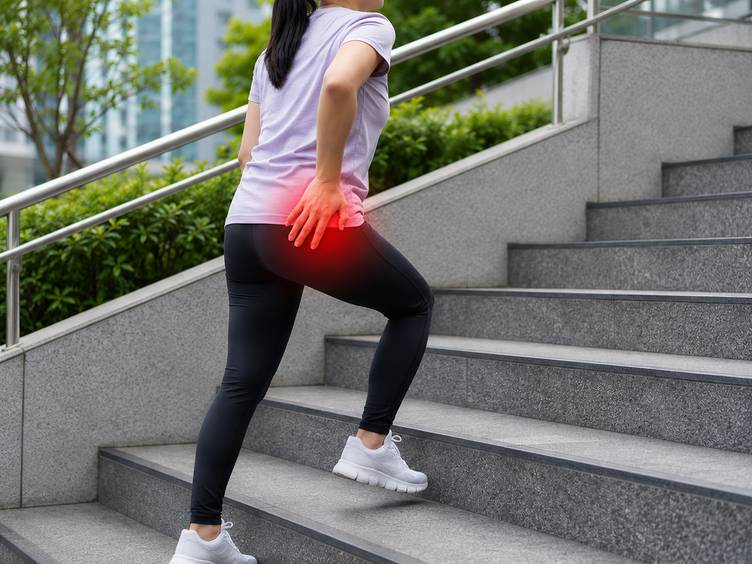
Physiotherapy for Hip Pain at Apex Sports Clinic
At Apex Sports Clinic, we focus on finding the root cause of your symptoms, then build a
treatment plan around your condition, activity level, and recovery goals, usually starting with
physiotherapy.
Here is what you can expect:
1. Comprehensive Hip Assessment
A review of your medical history, symptoms, and lifestyle, with a physical examination and movement analysis to identify the source of your hip pain. Imaging such as an X-ray, ultrasound, or MRI is arranged if a structural problem is suspected.
2. Personalised Rehabilitation Plan
An individualised programme typically involving exercises, hands-on treatment, and activity guidance, with added treatments such as shockwave therapy where needed. If your hip requires further medical assessment, we can arrange a referral to our orthopaedic hip specialist, ensuring seamless care throughout your recovery.
3. Ongoing Support and Progress Review
Progress is tracked at each visit and the programme adjusted as your hip improves, supporting your gradual return to work, exercise, or sport.
Meet Our Physiotherapist

BSc (Physiotherapy) (Hons I), Curtin University
Fully Registered Physiotherapist (AHPC, Singapore)
Languages: English and Mandarin
Sarita is a senior physiotherapist who treats musculoskeletal injuries
across all ages and activity levels.
She focuses on identifying the root cause of symptoms rather than treating pain alone,
with a particular interest in post-operative rehabilitation and exercise-based therapy.
Working alongside the orthopaedic and sports medicine team at Apex Sports Clinic, she
helps patients recover and return confidently to the activities they enjoy.
Common Hip Pain Conditions We Manage With Physiotherapy
Most hip pain comes from age-related joint changes, overloaded tendons, or injury to the structures in and around the joint. The right rehabilitation programme differs for each cause, so identifying the specific condition is the first step.
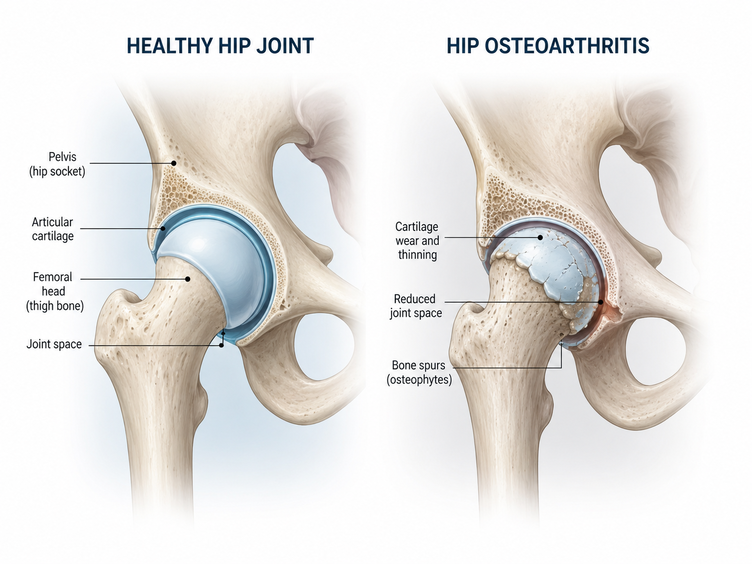
Hip Osteoarthritis
Hip osteoarthritis is the gradual wear
of the smooth cartilage (the cushioning surface) that lines the hip
joint, leading to stiffness, aching, and reduced movement.
Pain is often felt in the groin and worsens with activity or after long
periods of rest. It is one of the most common causes of hip pain in older
adults.
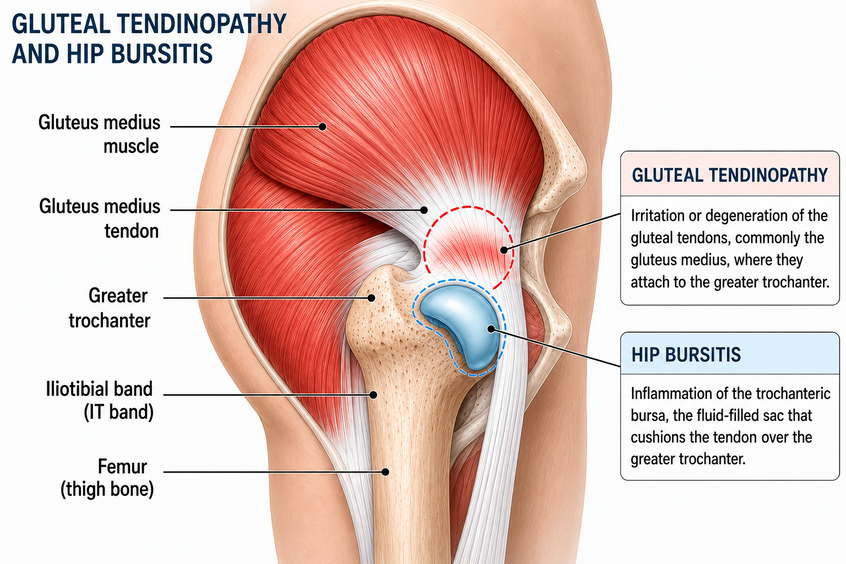
Gluteal Tendinopathy and Hip Bursitis
Gluteal tendinopathy is
irritation of the tendons on the outer hip, sometimes accompanied
by bursitis (inflammation of the fluid-filled sac that cushions the tendon).
It is a frequent source of pain on the side of the hip, which is typically
worse when lying on that side or climbing stairs.
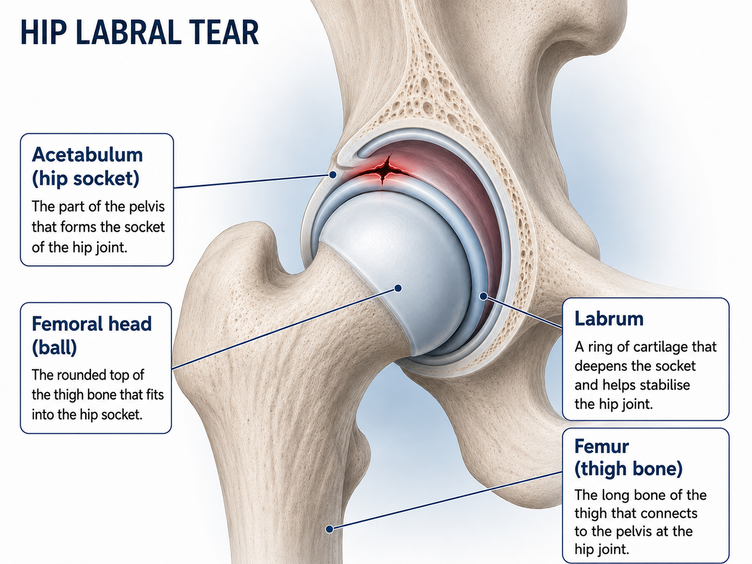
Hip Labral Tear
A hip labral tear is damage
to the ring of cartilage (the labrum) that lines the rim of the hip
socket and helps keep the joint stable.
It can cause groin pain, clicking, catching, or a sensation of the hip
giving way, and often affects younger, active people.
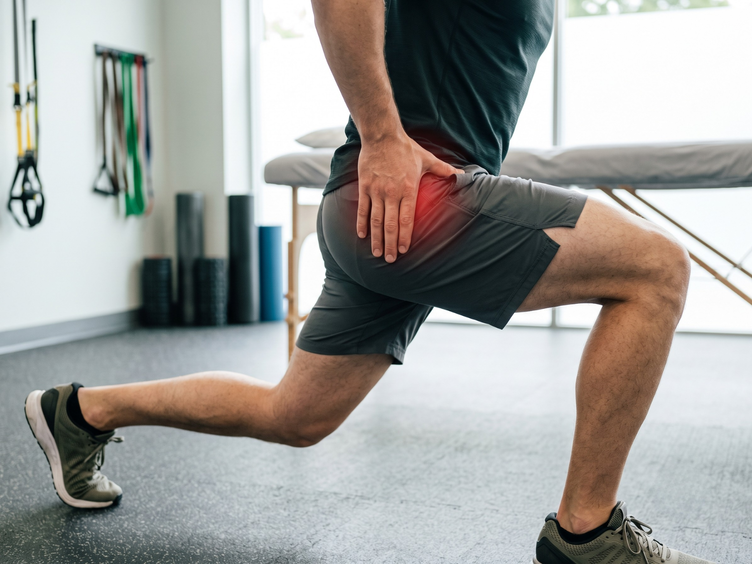
Femoroacetabular Impingement (FAI)
Femoroacetabular impingement
is a mismatch in the shape of the ball and socket that causes the bones to
pinch during movement, leading to groin pain and stiffness,
particularly on deep bending or rotation.
It commonly affects younger, active adults and is a frequent reason behind
hip labral tears.

Hip Flexor or Groin Strain
A hip flexor or groin strain is an overstretch
or small tear of the muscles at the front or inner hip, usually from
sprinting, kicking, or a sudden change in direction.
It tends to cause sharp pain that eases with rest but returns with activity.
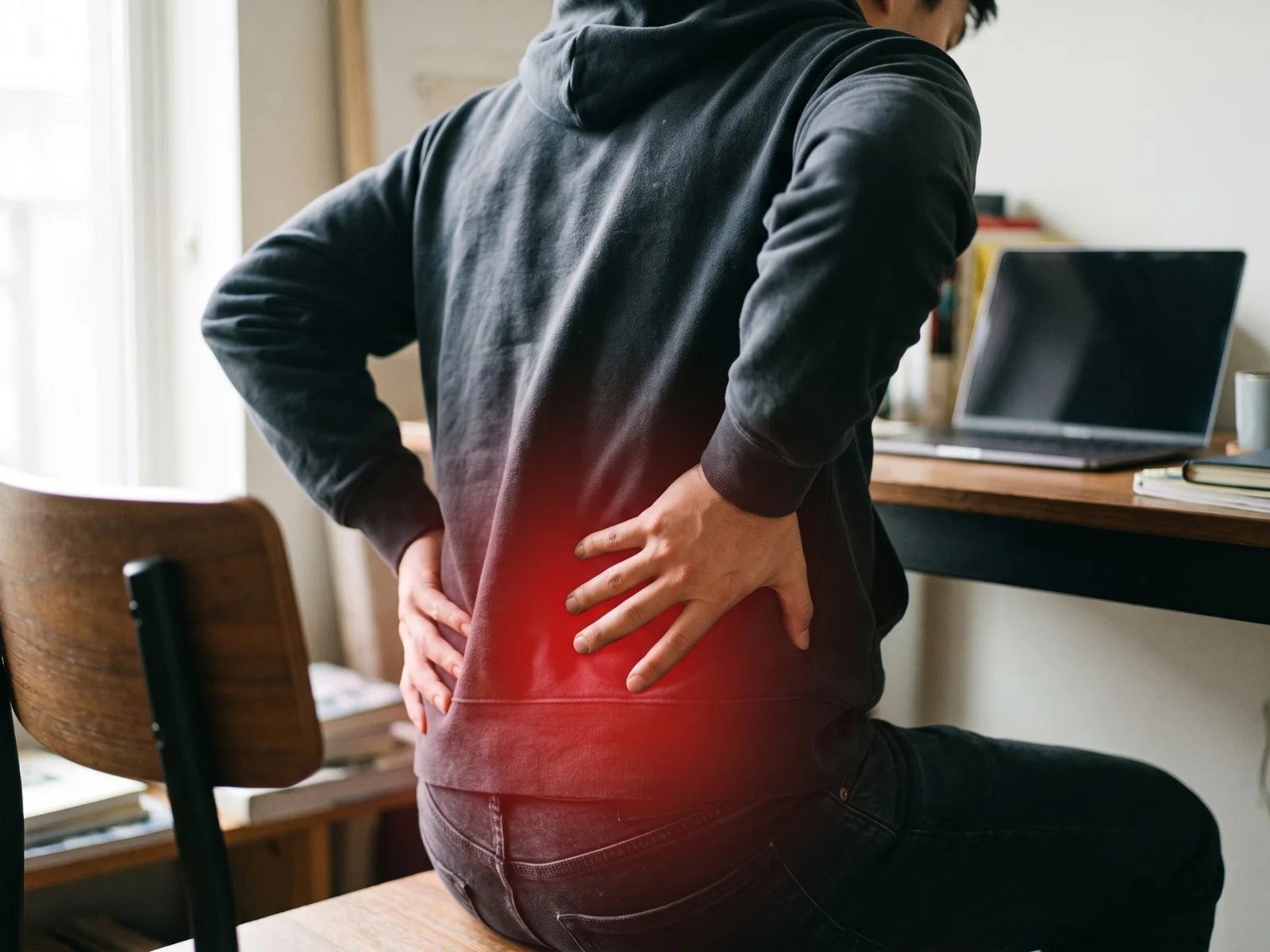
Referred Pain From the Lower Back
Sometimes hip pain does not come from the hip at all but is referred from the lower back, where an irritated nerve or disc sends pain into the buttock and hip region. This is why a careful assessment is important before treatment begins.
Hip Pain and Related Symptoms
Hip pain symptoms vary with the cause. Common signs include:
- Aching in the groin
- Pain on the outer hip
- Stiffness after rest
- Discomfort that worsens with walking, stairs, or prolonged sitting
- Reduced range of movement, a limp, or pain that disturbs your sleep, particularly when lying on the affected side
Other signs can include:
- Clicking, catching, or a sensation of the hip giving way
- Pain that radiates into the groin, buttock, or thigh
- Weakness or instability when standing on one leg
- Difficulty with movements such as squatting, bending, or putting on shoes
- Tenderness when pressing on the outer hip
 Struggling with hip pain? Book a consultation with
our physiotherapist for an assessment and a treatment plan suited to your condition and goals,
so you can get back to moving comfortably.
Struggling with hip pain? Book a consultation with
our physiotherapist for an assessment and a treatment plan suited to your condition and goals,
so you can get back to moving comfortably.
Physiotherapy Treatment Options for Hip Pain
Physiotherapy for hip pain typically combines several approaches, based on your diagnosis, symptom severity, and activity goals.
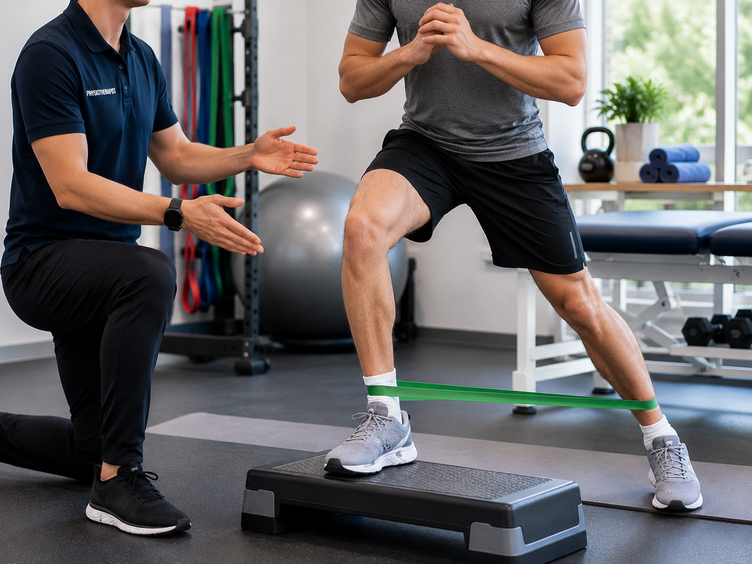
Exercise Therapy
Exercise therapy is a progressive programme of strengthening, stretching, and
control exercises for the hip, pelvis, and core. By rebuilding the muscles that
stabilise the joint and improving its range of movement, it reduces the
strain placed on the painful tissues.
It forms the foundation of treatment for nearly all hip conditions, with the exercises
advanced gradually as the hip gets stronger.
Education and Load Management
Education and load management involves guidance on adjusting activity, posture, and daily
habits that aggravate the hip, such as how long you sit, how you climb stairs, or how
you train.
Understanding which movements settle or stir up your symptoms lets you stay active without
repeatedly overloading the joint. This reduces flare-ups and supports long-term recovery.
Gait and Movement Retraining
Gait and movement retraining involves practising improved walking, squatting, and balance patterns. Correcting habits such as limping or favouring one side removes the repeated strain that keeps the hip irritated.
Manual Therapy
Manual therapy uses hands-on techniques, such as joint mobilisation and massage-like soft tissue work, to ease stiffness and loosen tight muscles. By making the hip feel looser and less guarded, it can offer short-term relief that makes exercise more comfortable.
Shockwave Therapy
Shockwave therapy delivers sound-wave pulses to the affected tendon to stimulate the body's healing response. It is used as additional support for persistent tendon-related hip pain, such as gluteal tendinopathy or hip bursitis, particularly when symptoms have not settled with exercise alone.
Dry Needling
Dry needling involves inserting fine needles into tight bands of muscle, known as trigger
points, to prompt the muscle to relax and reduce tension. By easing this tightness, it
can lessen muscular pain around the hip and make movement more comfortable. It is used alongside an
exercise programme rather than on its own.
Where pain does not respond to physiotherapy, your physiotherapist may recommend a review with
our orthopaedic specialist for options such as image-guided injections or, in a minority of
cases, surgery. Physiotherapy continues to support recovery in these situations.
When to Seek Medical Care for Hip Pain
You should seek medical care when hip pain lasts longer than a week or two, keeps
returning, or starts to limit your daily activities, exercise, or sleep.
Certain symptoms point to a problem that needs prompt medical attention. These include:
- Hip pain after a significant fall or injury, or an inability to bear weight on the leg
- Sudden, severe pain with deformity of the hip or leg
- Fever, redness, or warmth around the joint, which may suggest infection
- Numbness, tingling, or weakness spreading down the leg
- Unexplained weight loss or pain that is constant and worse at night
Early assessment helps pinpoint the cause and prevents a minor problem from developing into a long-standing one.
Cost of Physiotherapy Services for Hip Pain
At Apex Sports Clinic, we provide physiotherapy for hip pain alongside orthopaedic specialist services, offering seamless care if you require further assessment or treatment. The fees for our services are as follows:
| Treatment & Service | Estimated Cost (SGD)^* |
|---|---|
| Consultation & Assessment | |
| Physiotherapy | $212.55 per 45-minute session |
| Physiotherapy (Home Visit) | $272.50 per 45-minute session |
| Diagnostic Services | |
| X-Ray | From $100 |
| MRI Scan | From $1,000 |
| Ultrasound Imaging | From $100 |
| Gait Analysis | From $200 per session |
| Non-Invasive Treatments | |
| Sports Massage / Conditioning | From $160 per session | Shockwave Therapy | From $100 per session |
| Bracing / Casting / Splinting | From $300 |
^Last updated: 2026-08-19
*Prices listed above are estimates and may vary depending on the complexity of the condition,
type of procedure, and other clinical considerations.
For treatments or services not listed above, please contact us to enquire further.
Hip pain treatment often involves physiotherapy, because strengthening and movement retraining address the cause rather than just the symptoms. For many patients, a well-structured programme, with additional treatments where needed, can restore comfortable movement and reduce the need for surgery.
Dr Foo Gen Lin
Book a Physiotherapy Consultation for Hip Pain
Apex Novena
Why Do Patients Choose Apex Sports Clinic?
Sports Doctor in Singapore: Personalised & Affordable Care
One-Stop Sports Clinic
We provide comprehensive care in one clinic, from consultation, imaging, and injections through to physiotherapy, sports massage, and surgery when needed.
Keyhole Surgery Expertise
We specialise in arthroscopic keyhole surgery to treat sports injuries with precision and minimal tissue disruption, supporting faster recovery and restored joint function.
Specialist in Sports Injury Management
We combine evidence-based injury management with a proactive approach to maintaining your body's strength and function, so you can recover fully and perform at your peak.
Patient Journey
1 . Schedule Your Appointment

2 . Expert Diagnosis & Consultation

3 . Customised Treatment Plan

Schedule an Appointment

Our Insurance Partners




Frequently Asked Questions (FAQs)
Physiotherapy is widely used as a first-line treatment for hip pain, particularly when the cause is muscular, tendon-related, or early joint wear. It works by easing strain on the painful structures, rebuilding strength and mobility, and correcting movement habits that aggravate the hip, addressing the underlying cause rather than the pain alone. If hip pain is limiting your daily activities, an assessment can help identify what is driving it and which approach may suit you.
Recovery time for hip pain with physiotherapy varies with the cause and how long symptoms have been present. Acute muscle strains may settle within a few weeks, while tendon problems and osteoarthritis often need several weeks to a few months to build lasting strength and tolerance. Following your exercise programme consistently plays a large part in how well you recover. It is best to discuss with a physiotherapist your expected recovery based on your specific condition.
Hip pain can often be relieved without surgery, particularly when the cause is muscular, tendon-related, or early joint wear. Conservative care such as physiotherapy is commonly the first-line approach, with surgery usually reserved for structural problems, such as advanced osteoarthritis or certain labral tears, that do not respond to a thorough rehabilitation programme. If you are experiencing worsening or persistent hip pain, it is advisable to have it assessed to determine the most suitable treatment for your condition.
Hip pain can be assessed by a physiotherapist, a sports doctor, or an orthopaedic specialist, depending on the likely cause and severity. Many people start with a physiotherapist or sports doctor, who can identify whether the problem is muscular, tendon-related, or structural, and refer on if imaging or a procedure is needed. At Apex Sports Clinic, we offer physiotherapy and orthopaedic specialist services, so you receive seamless care if your hip needs further assessment and treatment.
Exercises for hip pain typically focus on strengthening the glutes, deep hip, and core muscles, alongside stretching and balance work to restore mobility and control. The most beneficial exercises depend on the underlying condition, and the wrong movements or too much too soon can aggravate some hip problems. It is advisable to consult a physiotherapist or sports doctor on the exercises most suitable for your hip pain and your situation.
Hip pain at night is common with conditions such as gluteal tendinopathy and hip bursitis, where lying on the affected side compresses the irritated tendons, and with osteoarthritis, where stiffness builds during rest. Adjusting your sleeping position may ease the discomfort for some people. If night pain is persistent, disturbing your sleep, or accompanied by unexplained weight loss or constant pain, it is best to have it assessed promptly.
Hip pain can contribute to knee or lower back pain, because limping or moving differently to protect the hip changes how weight is spread through the leg and spine. The reverse also occurs, where lower back problems refer pain into the hip and buttock, which is why pinpointing the true source matters. If you are experiencing pain across more than one area, an assessment can help clarify where it is originating and guide suitable treatment.
A physiotherapist can help with many causes of hip pain by assessing the source of the problem and guiding a programme of strengthening, mobility, and movement retraining. For muscular, tendon-related, and early joint conditions, this conservative approach often settles symptoms without the need for further treatments like surgery. Where a structural problem is suspected, a referral to an orthopaedic specialist can be arranged for further assessment.
Telling muscle from bone hip pain is difficult to do reliably on your own, as the two often overlap. Muscular pain tends to feel like a dull ache that eases with rest and worsens with specific movements, while bone or joint pain is often deeper, stiffer, and present even at rest. A clinical examination, sometimes with imaging, is needed to confirm the source. If you are experiencing hip pain that persists, worsens or affects your daily activities, it is advisable to seek an assessment to help pinpoint what is causing it.
Weak hips often show up as instability or poor control rather than pain alone. Common signs include a sense of the hip giving way, difficulty balancing on one leg, a limp, and the pelvis dropping to one side when walking. You may also notice fatigue or aching in the buttock and outer hip after activity such as walking or climbing stairs, or find it harder to rise from a chair or keep your balance on uneven ground. Weakness tends to develop gradually and can contribute to other problems, including knee and lower back pain, if left unaddressed.
Lasting relief from hip pain comes from identifying and treating the underlying cause rather than relying on a single quick fix. For muscular, tendon-related, and early joint problems, a structured programme of strengthening and movement retraining can settle symptoms and lower the chance of them returning. Keeping the hip strong and not overloading it over time helps too. It is advisable to consult a physiotherapist or orthopaedic specialist on suitable treatments for long-term improvement.
Hip pain can occur at any age, with the likely causes differing across life stages. Younger, active people more often develop labral tears, impingement, or muscle and groin strains, while gluteal tendinopathy and osteoarthritis become more common from middle age onwards. Age alone does not determine the cause, so it is not a reliable guide to what is behind a particular case of hip pain.
Early signs of a developing hip problem often include stiffness after rest, aching in the groin, reduced range of movement, and discomfort that builds with walking, stairs, or prolonged sitting. Some people notice a slight limp or difficulty with movements such as putting on shoes. These changes can be subtle at first and easy to dismiss. If symptoms are persisting or gradually worsening, having the hip assessed early can help pinpoint the cause before it becomes long-standing.
Hip pain is felt most often in the groin, which usually points to a problem in the joint itself, such as osteoarthritis or a labral tear. Pain on the outer hip is also common and tends to relate to gluteal tendinopathy or bursitis, while pain in the buttock can sometimes be referred from the lower back. Where the pain is felt offers a useful clue to the cause but is not conclusive on its own. If the pain is persistent, an assessment can help clarify its source and guide suitable treatment.
The single-leg stance test involves standing on one leg, sometimes for around 30 seconds, to assess hip stability and reproduce certain types of pain. Difficulty balancing or pain on the standing side can suggest weakness in the hip stabilising muscles or a tendon-related problem. It is one of several checks used in a wider assessment rather than a standalone diagnosis.
Cancer-related hip pain is uncommon, but when it occurs it tends to be constant, present at rest, and often worse at night, rather than linked to activity. It may be accompanied by unexplained weight loss, fatigue, or a general feeling of being unwell. These features differ from the activity-related pattern of most hip problems. Because cancer cannot be diagnosed from the pattern of hip pain alone, it is best to consult a doctor if you have persistent symptoms that concern you, so the cause can be properly assessed.
Vitamin D and calcium are the nutrients most associated with hip and bone health, as both support bone strength and may help reduce the risk of conditions such as osteoporosis. A balanced diet generally provides what the hips need, and supplements are not always necessary unless a deficiency is present. Vitamins do not treat mechanical hip pain, which stems from the joint, tendons, or muscles rather than nutrition.