
How to Relieve Lower Back Pain: Simple Steps to Ease Discomfort
Information reviewed by: Dr Foo Gen Lin | Last updated:
Is lower back pain limiting your movement or affecting daily comfort? Dr Foo provides thorough assessment and personalised treatment to help improve your comfort and mobility.

MBBS (University of London) | MMed (Ortho) | FRCSEd (Ortho) | FAMS (Ortho)

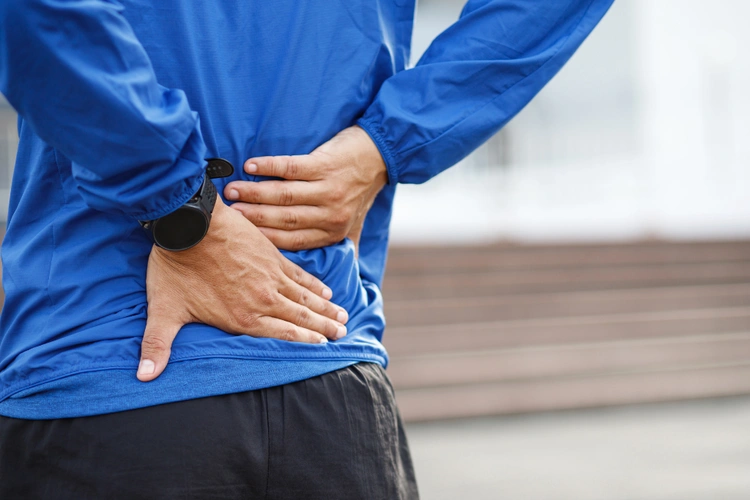
If you've ever found yourself wincing when getting out of bed or struggling through your day
with a dull ache in your lower back, you're not alone.
Lower back pain is one of the most common reasons people seek medical attention and one of
the most frustrating to manage when it lingers. The good news is that many cases of lower
back pain can be eased with the right approach, whether you're dealing with sudden
discomfort or a recurring issue.
Gentle movement, targeted exercises, posture correction, and simple at-home
strategies can often help relieve lower back pain and support recovery.
However, some causes of lower back pain may require more targeted intervention by a
healthcare professional.
In this guide, we'll walk you through practical, evidence-informed ways to manage lower back pain, from everyday relief methods to recognising when it is time to seek expert care.
What Causes Lower Back Pain?
Lower back pain can arise from a mix of physical strain, postural habits, degenerative changes, and underlying medical conditions. The pain may come on suddenly or develop gradually, and it is often triggered or worsened by certain movements or positions.
Common causes include:
How Can You Relieve Lower Back Pain at Home?
You can often relieve mild to moderate lower back pain at home using simple self-care strategies that reduce inflammation and improve mobility. Start by staying gently active, avoiding prolonged bed rest, which can delay recovery. Try the following:

- Pace your daily activities – Alternate light movement with short rest periods, and avoid staying in one position for too long.
- Adjust your posture – Use lumbar support when sitting, and avoid slouching. Choose chairs with proper back support and sit with feet flat on the floor.
- Sleep on your side or back – Place a pillow between your knees (side sleeping) or under your knees (back sleeping) to reduce spinal strain.
- Apply heat or cold – Use a cold pack during the first 48 hours to reduce inflammation, followed by heat therapy (such as a warm compress or hot shower) to relax tight muscles.
- Use gentle massage devices – Devices such as a percussive massager (e.g., Hydragun) can help ease tight muscles, but avoid applying them over the spine or on areas of acute pain without professional guidance.
- Take over-the-counter medication – Non-prescription anti-inflammatories like ibuprofen or paracetamol may help manage symptoms in the short term, if appropriate for your health.
 Still experiencing lower back pain despite home remedies? Consult our orthopaedic specialists for a proper diagnosis
and treatment to support your recovery today!
Still experiencing lower back pain despite home remedies? Consult our orthopaedic specialists for a proper diagnosis
and treatment to support your recovery today!
Which Exercises and Stretches Can Help Relieve Lower Back Pain?
Targeted exercises and stretches can help relieve lower back pain by strengthening
supporting muscles, improving spinal flexibility, and reducing stiffness. Begin with
slow, controlled, low-impact movements that do not provoke pain.
Some commonly recommended options include:
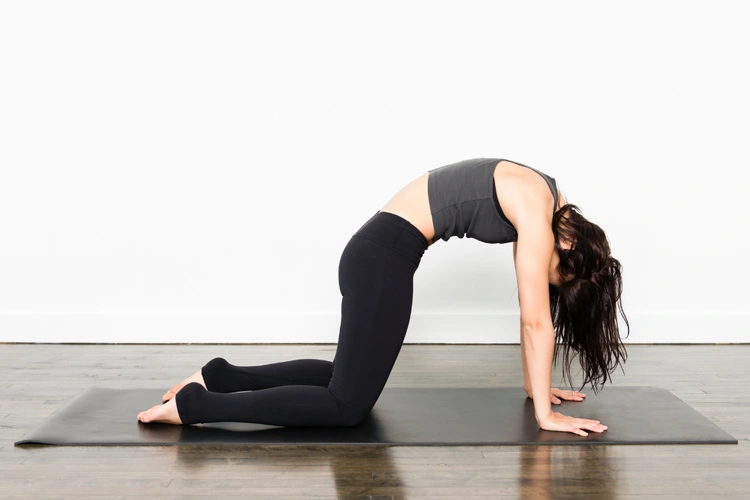
Perform each movement slowly and with control. Stop any exercise that causes sharp, radiating, or worsening pain, and seek professional guidance if you are unsure which exercises are suitable for your condition.
What Are Some Exercises to Avoid for Lower Back Pain?
Certain movements can place excessive strain on the lower spine and may aggravate existing pain or delay healing, especially during the early stages of recovery.
It is generally advisable to avoid the following:
Avoid exercises that reproduce or intensify your symptoms, especially movements that involve twisting under load or bending repeatedly.
What Lifestyle Changes Support Long-Term Back Health?
Sustained lifestyle changes can help reduce the frequency, intensity, and recurrence of lower back pain over time. Incorporate the following strategies into your routine to support spinal health:
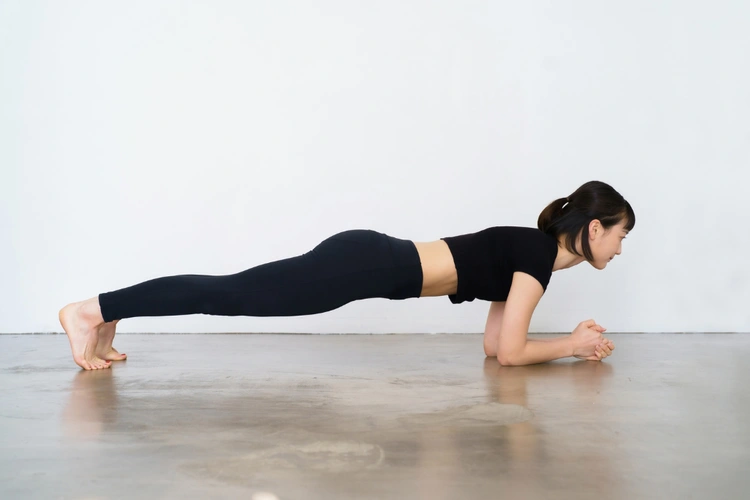
Adopting these habits as part of your daily lifestyle can promote long-term resilience and reduce the risk of recurrent lower back pain.
When Should You Seek Professional Help for Lower Back Pain?
You should seek medical attention if your lower back pain lasts more than 2 weeks, worsens over time, or begins to interfere with your daily activities. In some cases, early evaluation is important to identify the underlying cause and begin appropriate treatment.
Consult a doctor, physiotherapist, or orthopaedic specialist if you experience:
What Are Some Treatments for Lower Back Pain?
Clinical treatment for lower back pain may include physiotherapy, manual therapy, guided exercise
programmes, and where necessary, more targeted medical interventions.
Conservative treatments are usually prioritised first, with more interventional
procedures considered only if symptoms persist or worsen despite initial care.
| Treatment | Description and Purpose |
|---|---|
| Conservative Management | |
| Physiotherapy | Individualised rehabilitation that may include targeted exercises, manual therapy techniques, and posture correction to restore strength, mobility, and spinal control. |
| Anti-inflammatory medication (NSAIDs) | Oral medications such as ibuprofen or naproxen used to reduce inflammation and relieve pain. Often used short term under medical guidance to support early recovery. |
| Specialised Treatments | |
| Corticosteroid Injection | Injection of anti-inflammatory medication directly near the affected nerve or joint to reduce inflammation and pain. |
| Shockwave Therapy | Non-invasive treatment using sound waves to stimulate healing in chronic soft tissue conditions. |
| Platelet-Rich Plasma (PRP) Therapy | Uses a concentrated sample of the patient's own platelets to promote tissue healing and reduce inflammation in chronic or degenerative spinal pain. |
| Nerve Block | Local anaesthetic injected around a nerve or nerve root to reduce severe or radiating pain. May also help identify the pain source. |
| Epidural Steroid Injection | Corticosteroid delivered into the epidural space to reduce inflammation around compressed spinal nerves. Commonly used for sciatica, herniated discs, and spinal stenosis. |
| Radiofrequency Ablation | Heat generated by radio waves is used to deactivate specific pain nerves, providing longer-term relief for some chronic pain conditions. |
| Surgical Intervention | |
| Discectomy | Surgical removal of part of a herniated disc that is pressing on a nerve. |
| Laminectomy | Surgical removal of part of the vertebra (lamina) to relieve pressure on spinal nerves, commonly used for spinal stenosis or nerve compression. |
Lower back pain has many possible causes, from muscle strain to disc issues. We take time to understand each patient's condition and recommend appropriate treatment based on their specific situation.
Dr Foo Gen Lin
Where to Seek Treatment for Lower Back Pain?
Apex Novena
Why Do Patients Choose Apex Sports Clinic?
Sports Doctor in Singapore: Personalised & Affordable Care
One-Stop Sports Clinic
We provide comprehensive care in one clinic, from consultation, imaging, and injections through to physiotherapy, sports massage, and surgery when needed.
Keyhole Surgery Expertise
We specialise in arthroscopic keyhole surgery to treat sports injuries with precision and minimal tissue disruption, supporting faster recovery and restored joint function.
Specialist in Sports Injury Management
We combine evidence-based injury management with a proactive approach to maintaining your body's strength and function, so you can recover fully and perform at your peak.
Patient Journey
1 . Schedule Your Appointment

2 . Expert Diagnosis & Consultation

3 . Customised Treatment Plan

Schedule an Appointment

Our Insurance Partners




Frequently Asked Questions (FAQs)
Lying down with lower back pain is often most comfortable on your back with a pillow under your knees or on your side with a pillow between your knees. These positions help maintain the spine's natural curve and reduce tension on surrounding muscles. Avoid lying flat on your stomach as it can strain the lower back. If pain worsens when lying down, it is advisable to consult a doctor, physiotherapist, or orthopaedic specialist for assessment.
Sleeping with lower back pain is easier when your spine is well-supported. Side sleepers can place a pillow between their knees to keep the hips and pelvis aligned, while back sleepers can use a small pillow under the knees to reduce pressure on the lower back. A medium-firm mattress generally supports spinal alignment better. If pain persists or disrupts sleep, it is advisable to consult a doctor, physiotherapist, or orthopaedic specialist for further evaluation.
Lower back pain can sometimes be relieved quickly with gentle movement, heat or cold therapy, and short-term use of over-the-counter anti-inflammatory medication if appropriate for your health. Light walking or stretching may also help ease stiffness. However, quick relief may not address the underlying cause, and persistent or worsening pain should be evaluated by a doctor, physiotherapist, or orthopaedic specialist for proper diagnosis and treatment.
A strained lower back usually improves with rest from aggravating activities, gentle movement, and heat or ice therapy to manage inflammation and muscle tightness. Physiotherapy and gradual strengthening exercises can aid recovery and prevent recurrence. Avoid prolonged bed rest as it can slow healing. If pain remains severe or limits movement after several days, it is advisable to consult a doctor or orthopaedic specialist for evaluation.
If you have back pain, avoid heavy lifting, twisting, or high-impact activities that can worsen strain on the spine. Do not stay in bed for long periods, as inactivity may prolong stiffness and delay recovery. Poor posture and prolonged sitting can also aggravate symptoms. If your pain intensifies with movement or persists beyond a few days, it is best to seek professional assessment for tailored guidance.
To relax tight lower back muscles, gentle stretching, light walking, or applying heat can help improve circulation and ease tension. Slow breathing and relaxation techniques may also help reduce tightness related to stress. Massage or foam rolling can be beneficial but should only be performed under the guidance of a physiotherapist. If stiffness or spasms persist, it is advisable to consult a physiotherapist to identify and address the underlying cause.
Whether sitting or lying down is better depends on the cause of your pain and which position offers relief. Short periods of lying down may ease discomfort, but sitting with proper lumbar support and moving regularly tends to support long-term recovery. Prolonged stillness in either position can worsen stiffness. If you are unsure which position is better for your condition, consult a physiotherapist or orthopaedic specialist for diagnosis and personalised advice.
The three most common causes of lower back pain are muscle or ligament strain, disc-related conditions such as herniation, and degenerative changes like arthritis or spinal stenosis. Strains often result from improper lifting or overuse, while disc and degenerative issues tend to develop gradually. Other factors, such as poor posture, inactivity, or obesity, can increase stress on the spine and contribute to pain over time.
Gentle stretching can help relieve lower back pain by improving flexibility, reducing stiffness, and promoting blood flow to tense muscles. Stretches should be slow, controlled, and stopped if they cause sharp or radiating pain. Overstretching can worsen discomfort or delay recovery. If you are uncertain which stretches are appropriate or experience increasing pain, it is advisable to consult a physiotherapist or orthopaedic specialist for guidance.
Muscle-related back pain usually feels dull or aching and worsens with movement or touch, while disc-related pain can be sharper, radiating into the legs, or accompanied by numbness or tingling. Disc pain may also intensify when bending or sitting. Because symptoms can overlap, imaging or a clinical examination is often needed for confirmation. It is advisable to consult a doctor or orthopaedic specialist if symptoms persist or affect daily function.
A strained lower back typically causes localised pain and stiffness that worsen with movement or activity but ease with rest. It may occur after lifting, twisting, or sudden movement and can feel sore or tight without radiating down the legs. Mild strains often improve with rest and gentle movement, but if pain lasts more than a few days or limits mobility, it is best to seek medical evaluation.
Ice is usually more helpful within the first 48 hours of acute back pain to reduce inflammation and ease soreness, while heat is better for relaxing tight muscles and improving circulation once the initial inflammation subsides. Alternating between both may help depending on the stage and cause of pain. If you are unsure which is appropriate for your condition, it is advisable to consult a healthcare professional for guidance.
Extremely tight lower back muscles may result from prolonged sitting, poor posture, weak core muscles, or repetitive strain. Emotional stress and lack of movement can also contribute to muscle tension. Over time, this tightness can reduce spinal flexibility and cause discomfort. Gentle stretching, posture correction, and regular physical activity often help, but persistent tightness should be assessed by a physiotherapist or orthopaedic specialist to rule out underlying issues.
When lower back pain flares up, rest briefly, apply heat or ice depending on the cause, and keep moving gently to prevent stiffness. Avoid heavy lifting or twisting movements that can worsen strain. Over-the-counter anti-inflammatory medication may help manage pain if appropriate for your health. If flare-ups become frequent, severe, or accompanied by leg symptoms, it is advisable to seek medical evaluation and treatment.
A urinary tract infection can sometimes cause lower back pain, especially if the infection spreads to the kidneys. This pain is often deep, persistent, and accompanied by symptoms such as fever, nausea, or painful urination. If lower back pain occurs with urinary symptoms or general illness, it is important to seek medical attention promptly to rule out kidney infection or other serious conditions.