
Collarbone (Clavicle) Fracture: Symptoms & Treatment
Information reviewed by: Dr Foo Gen Lin | Last updated:
Collarbone fractures from falls or impact can cause shoulder pain and limited movement. Dr Foo provides thorough assessment and tailored care to support healing and restore function.

MBBS (University of London) | MMed (Ortho) | FRCSEd (Ortho) | FAMS (Ortho)

What Is a Collarbone (Clavicle) Fracture?
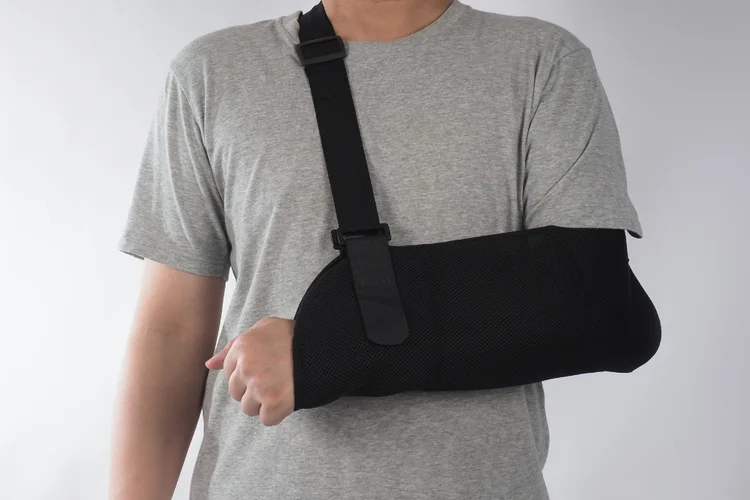
A collarbone (clavicle) fracture is a break in the clavicle, the long, slender bone
connecting the shoulder to the chest. This type of fracture is common in both
children and adults, often resulting from direct impact, falls, or sports injuries.
Depending on the severity, a fractured collarbone may cause pain, swelling, bruising, and
restricted arm movement. While most fractures heal within six to twelve weeks, recovery time
varies based on the extent of the injury and the treatment approach. Not every case of
collarbone pain
involves a fracture, so an assessment helps confirm the cause before treatment begins.
Causes of Clavicle Fracture
Collarbone fractures occur due to sudden trauma or excessive force applied to the shoulder or upper chest. The most common causes include:
- Falls – Landing directly on the shoulder or an outstretched hand can transfer force to the clavicle, increasing the risk of fracture.
- Sports Injuries – Contact sports such as football, rugby, and cycling frequently result in collarbone fractures due to falls, tackles, or high-impact collisions.
- Motor Vehicle Accidents – Direct trauma from a crash can cause a clavicle fracture, particularly when seat belts or airbags exert force against the shoulder.
Clavicle Fracture Symptoms
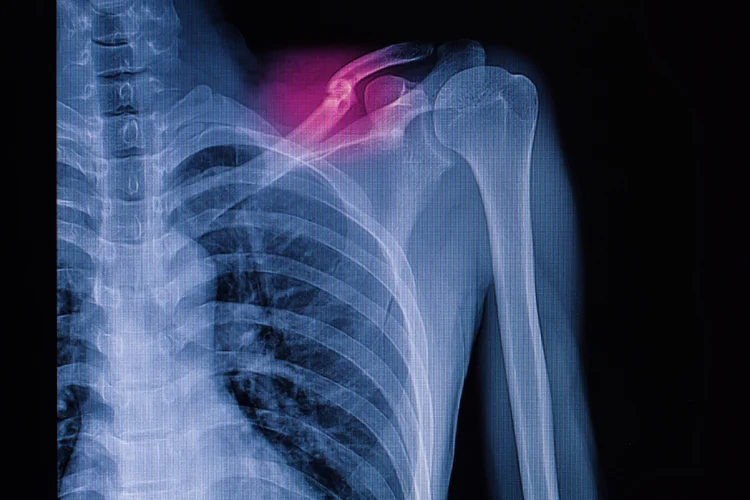
A fractured clavicle typically causes immediate pain and discomfort, with symptoms that may vary depending on the severity of the injury. Common signs include:
- Severe pain at the fracture site, which worsens with shoulder movement.
- Swelling, bruising, or tenderness over the collarbone.
- A visible deformity or bump at the fracture site, indicating possible bone displacement.
- Difficulty lifting the arm due to pain and restricted mobility.
- A grinding or cracking sensation at the time of injury.
Clavicle Fracture Complications
While most collarbone fractures heal well, significant bone displacement, where fragments shift out of alignment, can increase the risk of complications that affect recovery and function. The four most common complications include:
- Malunion (Improper Healing) – If the fractured bone heals in an incorrect position, it can lead to visible deformity, persistent pain, restricted shoulder movement, and potential muscle imbalance, affecting overall shoulder function.
- Nonunion (Delayed or Incomplete Healing) – In some cases, the bone fails to heal completely, leading to persistent pain, weakness, and functional limitations, with surgical intervention often required for severe nonunion cases.
- Nerve or Blood Vessel Injury – Displaced bone fragments may compress or damage nearby nerves or blood vessels, leading to numbness, tingling, circulation issues, or sensory changes in the arm or chest.
- Shoulder Stiffness and Weakness – Prolonged immobilisation, improper healing, or inadequate rehabilitation can result in reduced flexibility, muscle weakness, and impaired shoulder function, particularly in overhead movements.
 If you are experiencing severe pain or discomfort at your collarbone or suspect a clavicle fracture, consult an orthopaedic specialist for prompt diagnosis and treatment to prevent further complications.
 How Is a Clavicle Fracture Diagnosed?
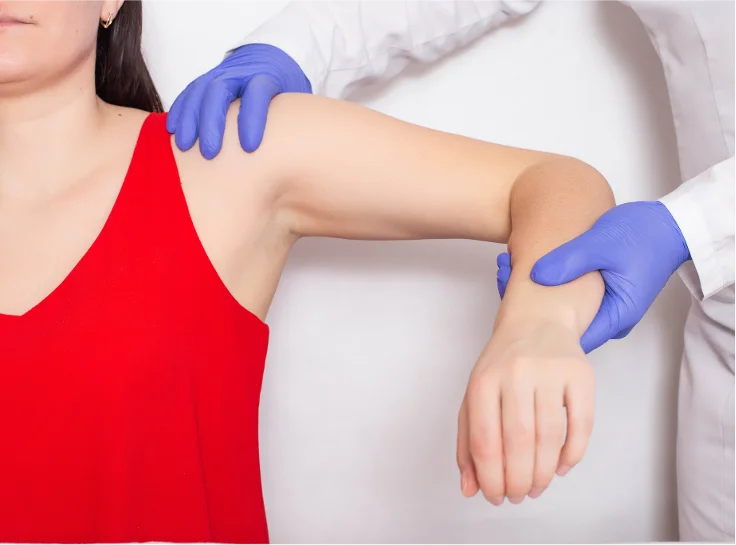
A clavicle fracture is diagnosed through a clinical examination and imaging tests to assess the severity and alignment of the bone, helping determine the most suitable treatment approach.
- Physical Examination – Physical assessment of shoulder mobility, check for deformities, and gentle pressure is applied to the collarbone to identify tenderness, swelling, or abnormal movement.
- X-ray – Using low-dose radiation, an X-ray captures images of the clavicle to confirm the fracture, assess bone displacement, and determine its severity.
- CT Scan (if needed) – In complex fractures or cases where X-rays are inconclusive, a CT scan can provide detailed cross-sectional images of bone alignment, offering a clearer view of the fracture or subtle misalignments.
Clavicle Fracture Treatment
Treatment for a collarbone fracture depends on the severity and location of the break. Most fractures heal without surgery, but in cases of significant displacement or multiple bone fragments, surgical intervention may be necessary.
| Treatment | Purpose |
|---|---|
| Non-Surgical Management | |
| Immobilisation | Keeps the shoulder immobilised using a sling or brace to reduce movement and support bone healing. Typically used for mild to moderately displaced fractures. |
| Pain Management | Non-steroidal anti-inflammatory drugs (NSAIDs) help relieve pain and reduce inflammation during the healing process. |
| Physiotherapy | Structured exercises restore shoulder strength, flexibility, and mobility while reducing stiffness and weakness as healing progresses. |
| Surgical Intervention (For Severe Fractures) | |
| Open Reduction and Internal Fixation (ORIF) | Use of metal plates and screws to stabilise the fractured bone, ensuring proper alignment and promoting stable healing. This approach enables early rehabilitation and reduces the risk of malunion or nonunion. |
| Intramedullary Pinning | A metal rod is inserted inside the bone's medullary canal to stabilise the fracture while allowing some controlled flexibility during recovery. |
Clavicle Fracture Recovery Time
Recovery time varies depending on the severity of the clavicle fracture, treatment approach, and individual healing response:
- Mild fractures – Typically heal within 6 to 8 weeks with conservative non-surgical management.
- Severe fractures or surgical cases – May take 12 weeks or longer for full recovery.
It is important to follow your doctor’s guidance to ensure optimal healing and avoid delaying recovery.
When Should You Seek Medical Attention?
Seek medical attention if you experience:
- Severe pain or a visible deformity in the collarbone area.
- Numbness, tingling, or weakness in the arm or hand.
- Difficulty breathing, which may suggest injury to the ribs or lungs.
- Persistent pain or a non-healing fracture despite treatment.
Timely diagnosis and treatment can help prevent complications and support a smoother recovery.
Collarbone fractures require immediate evaluation to assess the extent of the injury. We provide prompt and appropriate treatment and guide patients through a structured recovery afterwards.
Dr Foo Gen Lin
Find an Orthopaedic Specialist and Sports Doctor Near Me
Apex Novena
Why Do Patients Choose Apex Sports Clinic?
Sports Doctor in Singapore: Personalised & Affordable Care
One-Stop Sports Clinic
We provide comprehensive care in one clinic, from consultation, imaging, and injections through to physiotherapy, sports massage, and surgery when needed.
Keyhole Surgery Expertise
We specialise in arthroscopic keyhole surgery to treat sports injuries with precision and minimal tissue disruption, supporting faster recovery and restored joint function.
Specialist in Sports Injury Management
We combine evidence-based injury management with a proactive approach to maintaining your body's strength and function, so you can recover fully and perform at your peak.
Patient Journey
1 . Schedule Your Appointment

2 . Expert Diagnosis & Consultation

3 . Customised Treatment Plan

Schedule an Appointment

Our Insurance Partners




Frequently Asked Questions (FAQs)
Physiotherapy is commonly recommended after a clavicle fracture, but usually only once the bone has shown signs of healing. Early physiotherapy begins with gentle movements to prevent stiffness from prolonged immobilisation, while later stages involve targeted exercises to rebuild strength, mobility, and function. Always follow your doctor’s or physiotherapist’s advice on the appropriate timing and progression of rehabilitation.
A clavicle fracture can range from a simple crack to a complete break with bone displacement, and its severity determines the type of treatment required. Most cases heal well with rest and immobilisation, but more complex or displaced fractures may need surgery to ensure proper alignment. If left untreated, complications such as nonunion or shoulder stiffness can occur. It is advisable to consult an orthopaedic specialist for assessment and management.
Most collarbone fractures heal within 6 to 12 weeks, depending on the fracture’s severity, location, and treatment method. Mild fractures generally recover faster with rest and immobilisation, while surgical cases require longer rehabilitation. Adequate calcium and vitamin D intake, avoiding smoking, and performing prescribed physiotherapy exercises can support faster healing. It is best to consult your doctor or specialist for expected recovery based on your injury.
Arm movement is usually limited and painful immediately after a collarbone fracture, so immobilisation with a sling is recommended to support healing. As the fracture begins to stabilise, gradual and guided physiotherapy helps restore shoulder mobility and strength. Avoid lifting or overhead movements until cleared by your doctor or specialist to prevent further injury or delayed recovery.
Red flags of a clavicle fracture include severe shoulder pain, visible deformity or bump over the collarbone, and restricted arm movement. Additional warning signs such as numbness, tingling, or weakness in the arm, or difficulty breathing due to potential rib or lung involvement, require urgent medical evaluation. If these symptoms occur, it is advisable to seek immediate medical attention.
Treatment for a clavicle fracture depends on the severity, location, and degree of bone displacement. Mild fractures often heal with rest, sling immobilisation, and pain management, while severe or displaced fractures may need surgical procedures such as open reduction and internal fixation (ORIF) or intramedullary pinning to ensure proper healing. It is advisable to consult a doctor or orthopaedic specialist to determine the most suitable treatment option.
After a clavicle fracture, avoid lifting heavy objects, overhead movements, and contact sports until your doctor confirms the bone has sufficiently healed. Returning to activity too soon can cause bone displacement or delayed healing. Do not remove the sling or brace prematurely or neglect prescribed physiotherapy, as this can lead to stiffness or improper recovery. Always follow your doctor’s or specialist’s advice to support proper healing and restore shoulder function.
Leaving a broken clavicle untreated can lead to complications such as malunion, nonunion, chronic pain, shoulder weakness, or visible deformity. In severe cases, displaced bone fragments may compress nearby nerves or blood vessels. Even if pain subsides, the bone may heal incorrectly and impair long-term shoulder function. If you suspect a clavicle fracture, it is advisable to seek prompt medical evaluation from a doctor or orthopaedic specialist.
A broken clavicle typically causes sharp shoulder pain, swelling, bruising, and a visible bump or deformity over the bone. Movement of the arm often worsens discomfort. Diagnosis is confirmed through a physical examination and imaging tests such as X-rays, which assess the location and severity of the fracture. If you suspect a fracture, it is advisable to consult a doctor or orthopaedic specialist for proper diagnosis and treatment.
The cost of clavicle fracture surgery in Singapore typically varies depending on the procedure type, implant used, hospital setting, and insurance coverage. Open reduction and internal fixation (ORIF) and intramedullary pinning generally range from a few thousand to over ten thousand dollars, including hospital and surgeon fees. It is advisable to discuss costs with your orthopaedic specialist and healthcare provider for a detailed estimate.
A clavicle fracture typically causes sharp, immediate pain at the site of injury, especially when moving the shoulder or arm. The pain often intensifies with swelling, bruising, or muscle tension around the fracture. Displaced fractures usually cause greater discomfort and visible deformity. Pain levels generally lessen as the bone starts to heal, but proper immobilisation and pain relief are important to ensure comfort during recovery.
Sleeping in an upright or semi-reclined position, such as in a recliner or propped up with pillows, helps reduce strain on the shoulder and minimise pain. Avoid lying flat or on the injured side, as this can increase discomfort or affect bone alignment during healing. It is advisable to consult your doctor or specialist for guidance on safe sleeping positions and sling use during recovery.
A collarbone fracture usually occurs from a strong impact or fall onto the shoulder or an outstretched arm. It generally takes moderate to high force, such as from a sports collision, cycling accident, or vehicle crash, depending on bone strength and age. Children and older adults are more likely to experience fractures from lower-impact injuries because their bones are softer or less dense.
Most clavicle fractures heal well with proper treatment, though some cases may result in complications such as malunion, nonunion, or shoulder stiffness, leading to mild deformity or reduced strength. Early rehabilitation and consistent medical follow-up help minimise long-term effects and restore function. It is important to attend scheduled follow-up appointments to monitor bone healing and address any lingering pain or weakness early.
A sling is usually worn for about three to six weeks, depending on the severity and progress of healing. It keeps the shoulder stable and supports proper bone alignment during early recovery. The duration may vary for mild or surgical cases. Always follow your doctor or specialist’s instructions on when to begin gentle shoulder movement and safely stop using the sling.
A cast is not usually required for a broken collarbone, as it cannot effectively immobilise the shoulder area. Instead, treatment involves using a sling to support the arm and restrict movement while the bone heals naturally. Surgery may be considered for severe or displaced fractures to restore alignment and promote stable recovery.