
Plica Syndrome: Causes, Symptoms & Treatment
Information reviewed by: Dr Foo Gen Lin | Last updated:
Bothered by inner knee pain that keeps coming back? Dr Foo provides assessment and treatment tailored to plica syndrome, from non-surgical care through to keyhole surgery where needed.

MBBS (University of London) | MMed (Ortho) | FRCSEd (Ortho) | FAMS (Ortho)

What Is Plica Syndrome?

Plica syndrome is a knee condition where one of the thin folds of the synovial membrane
(the soft tissue lining inside the joint) becomes irritated, thickened, and
sometimes scarred. These folds are called plicae, and when one of them stops
moving smoothly, you may feel pain, snapping, or a catching sensation around the inner side
of the kneecap.
The synovial membrane wraps around the knee joint and produces the fluid that lubricates
it. Before birth, the knee develops in separate compartments divided by small folds in this
lining. In most adults, these folds stay quietly inside the joint as harmless leftovers
from how the knee formed before birth.
That changes when repeated stress, a direct knock, or inflammation makes the tissue
thicken and harden, so it begins to rub against the kneecap or the rounded end of the
thigh bone (femoral condyle).
Types of Plica in the Knee
The knee contains four recognised plicae, each named after its location around the kneecap:
- Medial plica – Sits along the inner side of the kneecap. This is the fold involved in most cases of plica syndrome.
- Suprapatellar plica – Lies above the kneecap and can occasionally cause snapping with deep bending.
- Infrapatellar plica – Runs from the notch at the end of the thigh bone down toward the fat pad below the kneecap. It is the most common plica anatomically but rarely causes symptoms.
- Lateral plica – Sits along the outer side of the kneecap and is the rarest variant.
The term "plica syndrome" usually refers to medial plica syndrome unless otherwise specified.
What Causes Plica Syndrome?
The causes of plica syndrome usually involve repeated stress or inflammation that
changes a soft, flexible fold of tissue into a stiff, thickened band that catches on the bones and
cartilage around it.
Common causes include:
- Repetitive bending or twisting activities – Cycling, running, rowing, stair climbing, and deep squatting compress the plica between the thigh bone and the kneecap each time you bend the knee.
- Direct trauma to the front of the knee – A fall, dashboard impact, or sports collision can inflame the tissue and trigger thickening.
- Sudden increases in training load – Ramping running distance, cycling mileage, or resistance training volume too quickly can overload the inner lining of the knee.
- Muscle imbalance and poor movement patterns – Weakness in the quadriceps (front thigh muscles), glutes, or outer hip muscles can throw off how the kneecap glides in its groove (patellar tracking) and keep the plica irritated.
- Other knee problems – Patellofemoral pain syndrome (pain around the kneecap), chondromalacia patella (softening of the cartilage under the kneecap), or a meniscus tear can change how the knee moves and place extra stress on the plica.
- Past knee surgery – Following keyhole surgery (arthroscopy), meniscus repair, or ACL reconstruction, the plica may scar as part of the healing response.
- Naturally larger or thicker plicae – Some people are born with more prominent folds that are more likely to become irritated.
In many cases, the condition arises from a combination of factors rather than a single event.
What Are the Symptoms of Plica Syndrome?
The symptoms of plica syndrome typically include a dull, intermittent ache on the inner side
of the kneecap, often accompanied by clicking, snapping, or a sensation that something
is catching inside the joint.
Common symptoms include:
- Pain on the inner side of the kneecap, often felt towards the lower edge, and sometimes radiating slightly above or below.
- A snapping or clicking sensation during bending, often felt when the knee is bent between 30 and 60 degrees.
- Discomfort with squatting, lunging, stairs, or prolonged sitting, sometimes called the "theatre sign" because it tends to flare up after long stretches in a cinema or car seat.
- A false locking sensation, where the knee feels momentarily stuck but can still be straightened with a slight shift in position.
- Tenderness along the inner border of the kneecap, particularly when pressing with the knee slightly bent.
- Mild swelling in some cases, though noticeable swelling is less common than with a meniscus tear or ligament injury.
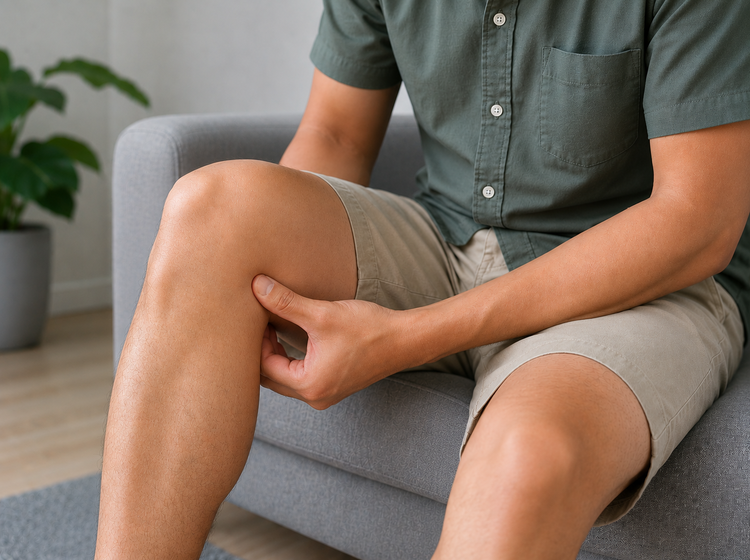
Pain often lingers for weeks or months and can come and go depending on activity level. Because these symptoms overlap with other knee problems, a clinical assessment helps tell plica syndrome apart from conditions like a meniscus tear or patellofemoral pain.
 If inner knee pain, snapping, or a catching sensation is starting to limit your daily activity
or training, consider consulting a knee
specialist for a proper diagnosis and a tailored treatment plan.
If inner knee pain, snapping, or a catching sensation is starting to limit your daily activity
or training, consider consulting a knee
specialist for a proper diagnosis and a tailored treatment plan.
How Is Plica Syndrome Diagnosed?
Plica syndrome is typically diagnosed through a combination of medical history, physical examination, and imaging to confirm the presence of a thickened plica and rule out other causes of knee pain.
Medical History Review
A detailed discussion of when symptoms began, the location of the pain, aggravating activities, and any history of trauma or previous knee surgery.
Physical Examination
Gentle pressing (palpation) along the inner border of the kneecap to check for a tender, cord-like band, along with specific tests such as the medial plica test or the Mital-Hayden test to reproduce the clicking sensation.
Imaging
MRI is the preferred imaging method as it can show a thickened or scarred plica and rule out other soft tissue injuries. X-rays are usually normal in plica syndrome but may be done to check for arthritis or bony causes of pain.
Diagnostic Arthroscopy
Where imaging is inconclusive but symptoms persist, a keyhole procedure (arthroscopy) lets the surgeon look at the plica directly and check whether it is irritating the surrounding cartilage.
Because plicae can be present without causing any symptoms at all, the diagnosis is often confirmed by how well the knee responds to targeted treatment.
Treatment Options for Plica Syndrome
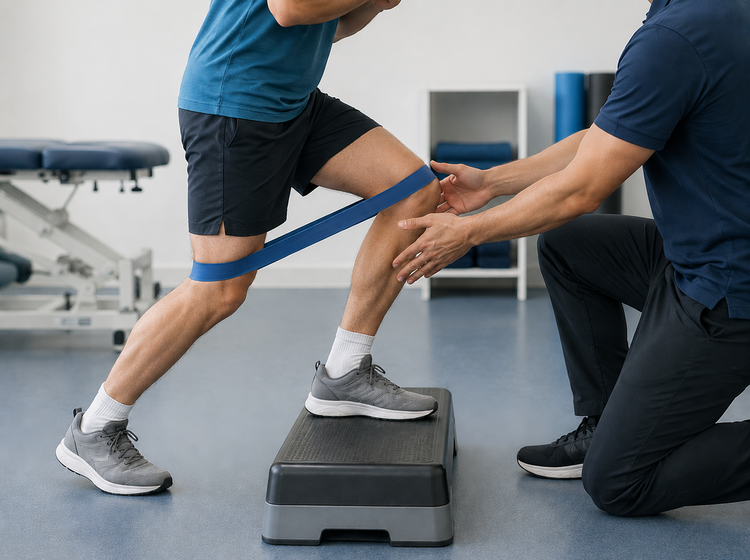
Treatment for plica syndrome ranges from non-surgical to surgical,
depending on the severity of symptoms, how long they have been present, and how much they
affect daily activities.
Most cases respond to non-surgical care, with surgery reserved for those whose symptoms
persist despite a sustained rehabilitation programme.
1. Non-Surgical Treatments for Plica Syndrome
Non-surgical options aim to settle the inflammation, restore smooth movement of the kneecap, and address any underlying contributors such as muscle imbalance or training overload.
Activity Modification
Temporarily reducing or modifying movements that aggravate the plica, such as deep squats, cycling at high resistance, or prolonged sitting with the knee bent, to allow inflammation to settle.
Physiotherapy
Structured strengthening of the quadriceps, outer hip muscles, and glutes to support smooth kneecap movement and reduce stress on the inner plica. This is often combined with hands-on techniques such as soft tissue mobilisation around the kneecap to ease tension on the plica and improve joint motion.
Bracing or Taping
External support that guides the kneecap, reducing rubbing of the plica against the thigh bone during bending.
Medication
Non-steroidal anti-inflammatory drugs (NSAIDs) can help ease pain and reduce inflammation in the irritated fold.
Corticosteroid Injection
A targeted anti-inflammatory injection that may calm a thickened plica when symptoms do not respond to oral medication and physiotherapy alone.
Shockwave Therapy
Extracorporeal shockwave therapy (ESWT) uses focused acoustic energy to ease inflammation and encourage healing in the irritated fold. It is increasingly used as a non-invasive option when symptoms persist despite physiotherapy and activity modification.
Platelet-Rich Plasma (PRP) Injection
A small sample of the patient's own blood is processed to concentrate its platelets, then injected into the knee to support tissue healing and reduce inflammation around the plica. PRP is an emerging option for cases that have not fully responded to standard non-surgical care.
2. Surgical Treatment for Plica Syndrome
If symptoms persist after several months of structured non-surgical treatment, keyhole surgery may be considered.
Arthroscopic Plica Excision
Through small incisions, instruments are used to release or remove the thickened plica, restoring smoother joint motion. Recovery from this procedure is typically faster than from many other knee operations, with most patients returning to light activity within a few weeks.
How Long Does Plica Syndrome Take to Recover?
Recovery from plica syndrome typically takes anywhere from a few weeks for mild
cases to six months or longer for persistent cases, depending on how severe
the irritation is, how early treatment begins, and how the knee responds to non-surgical
care.
Mild cases usually respond to rest and activity changes. Moderate cases need structured
physiotherapy and load management, while persistent cases may require ongoing
rehabilitation and a closer look at underlying contributors.
After keyhole surgery to remove the plica, most patients return to light daily activity
within one to two weeks, non-impact exercise within four to six weeks, and running or
higher-impact sport within two to three months, depending on individual progress.

Symptoms can come back if underlying contributing factors, such as muscle imbalance or poor kneecap movement, are not addressed during recovery.
How Can You Prevent Plica Syndrome?
You can help prevent plica syndrome by protecting the inner lining of the knee from repetitive stress and keeping the muscles around the joint balanced and strong.
- Strengthen the quadriceps, glutes, and outer hip muscles to support smooth kneecap movement and reduce chronic irritation of the inner knee.
- Build training load gradually rather than ramping cycling mileage, running distance, or resistance training volume too quickly.
- Keep the hamstrings and surrounding muscles flexible through regular stretching, since tight muscles can place extra stress on the front of the knee.
- Use proper technique during squats, lunges, and deep bending movements so the kneecap stays aligned with the toes.
- Vary your activities so the knee is not repeatedly bending through the same range of motion.
- Address minor knee discomfort early before it becomes a chronic source of inflammation.
- Warm up thoroughly before exercise with dynamic movement to prepare the knee joint and surrounding tissues.
- Wear supportive, well-fitted footwear suited to your foot type and activity to support good alignment from foot to knee.
If you have had a previous knee injury, knee surgery, or recurring inner knee pain, consider working with a sports medicine professional or physiotherapist to tailor a prevention plan to your activity level.
Plica syndrome is often missed because its symptoms resemble other knee problems. With early recognition, most cases can be managed effectively, restoring comfortable knee movement.
Dr Foo Gen Lin
Find a Knee Specialist Near Me
Apex Novena
Why Do Patients Choose Apex Sports Clinic?
Sports Doctor in Singapore: Personalised & Affordable Care
One-Stop Sports Clinic
We provide comprehensive care in one clinic, from consultation, imaging, and injections through to physiotherapy, sports massage, and surgery when needed.
Keyhole Surgery Expertise
We specialise in arthroscopic keyhole surgery to treat sports injuries with precision and minimal tissue disruption, supporting faster recovery and restored joint function.
Specialist in Sports Injury Management
We combine evidence-based injury management with a proactive approach to maintaining your body's strength and function, so you can recover fully and perform at your peak.
Patient Journey
1 . Schedule Your Appointment

2 . Expert Diagnosis & Consultation

3 . Customised Treatment Plan

Schedule an Appointment

Our Insurance Partners




Frequently Asked Questions (FAQs)
Plica syndrome most commonly affects active adults whose sport or daily routine involves repeated knee bending, such as cyclists, runners, rowers, and people who squat or climb stairs frequently. It can also follow direct trauma to the front of the knee or previous knee surgery. Adolescents and young athletes are particularly susceptible, though the condition can develop at any age when the inner lining of the knee is repeatedly stressed.
Plica syndrome does not directly cause a Baker's cyst, but the two can occasionally appear together when there is ongoing irritation inside the knee. A Baker's cyst forms when fluid builds up at the back of the knee, usually in response to another joint problem such as a meniscus tear or arthritis. If swelling behind the knee develops alongside inner knee symptoms, it is advisable to have both assessed to clarify the underlying cause.
Plica syndrome can sometimes settle on its own, particularly in mild cases where the irritated fold is given time to recover through rest and reduced loading. However, if the underlying triggers such as repetitive bending, muscle imbalance, or poor kneecap tracking are not addressed, symptoms often return or become chronic. If pain or clicking persists beyond a few weeks, consider seeking an assessment to identify what is driving the irritation.
Plica syndrome can worsen over time if the irritated fold continues to be loaded and inflamed. Repeated rubbing against the kneecap or thigh bone can cause the tissue to thicken further, scar, and begin to wear on the surrounding cartilage. Catching, stiffness, and pain may then become more frequent or persistent. If symptoms are gradually intensifying, consider a medical assessment to help determine whether targeted treatment is needed.
Plica syndrome can occur in both knees, though it more often affects one side. Bilateral cases are more likely in people whose activities load both knees equally, such as cyclists, rowers, and swimmers, or in those with underlying muscle imbalances affecting both legs. People born with naturally larger or thicker plicae may also develop symptoms on both sides. Each knee can be at a different stage of irritation, so symptoms may be more pronounced in one knee even when both are affected.
Exercises that strengthen the quadriceps, glutes, and outer hip muscles are commonly recommended for plica syndrome, as they support smoother kneecap movement and reduce strain on the irritated fold. Gentle hamstring and calf stretching may also help by easing tension across the front of the knee. Because loading the knee incorrectly can aggravate symptoms, it is best to have a tailored programme guided by a sports doctor or physiotherapist.
Plica syndrome involves irritation of a thickened fold of the knee's inner lining, while chondromalacia patella refers to softening or wear of the cartilage on the underside of the kneecap. Both can cause pain around the front of the knee and may worsen with squatting or stairs, but they involve different tissues. The two can also coexist, which is why a clinical assessment is important in identifying which is the primary driver of symptoms.
Plica syndrome involves irritation of a soft tissue fold inside the knee, whereas a meniscus tear is damage to the cartilage shock absorbers between the thigh bone and shin bone. Both can cause clicking, catching, and pain, but a meniscus tear often follows a twisting injury and may produce true locking and noticeable swelling. Because symptoms overlap, imaging combined with a clinical examination is the most reliable way to distinguish the two.
Plica syndrome is commonly managed through non-surgical care, including activity modification, physiotherapy to strengthen the muscles supporting the kneecap, and short-term use of non-steroidal anti-inflammatory drugs (NSAIDs). Corticosteroid injections, shockwave therapy, or platelet-rich plasma (PRP) injections may be considered for persistent cases. If symptoms remain after several months of structured treatment, keyhole surgery (arthroscopy) may be considered to remove the thickened fold.
Plica syndrome typically feels like a dull, intermittent ache on the inner side of the kneecap, often with clicking, snapping, or a sensation that something is catching inside the joint. Discomfort can worsen with squatting, lunging, stairs, or prolonged sitting with the knee bent. Some people also notice a brief feeling of the knee getting stuck, which usually eases with a small shift in position. Mild swelling is sometimes present.
Plica syndrome does not usually need surgery, as most cases improve with non-surgical care such as activity modification, physiotherapy, and anti-inflammatory treatment. Surgery is generally considered only when symptoms persist after several months of structured rehabilitation and continue to limit daily activity or sport. In those cases, a keyhole procedure to remove the thickened fold may be considered. It is advisable to consult a knee specialist to determine the most suitable treatment for you.
Whether you can squat with plica syndrome depends on how irritated the fold is, how the knee responds to loading, and the stage of recovery. Deep squats and high-resistance squats may aggravate symptoms by compressing the plica between the kneecap and thigh bone, and are often limited during a flare-up. Shallower, controlled squatting may be tolerated in some cases, though this varies. Because what is suitable is highly individual, it is advisable to have squat technique and load reviewed by a sports doctor or physiotherapist before continuing.
Plica syndrome develops when repeated stress or inflammation changes a soft, flexible fold of the knee's inner lining into a stiff, thickened band that catches on surrounding bone and cartilage. Common contributors include repetitive bending or twisting activities, sudden increases in training load, direct trauma to the front of the knee, muscle imbalance affecting kneecap tracking, and previous knee surgery. In many cases, several factors combine rather than one single event.
A knee brace or supportive taping can help plica syndrome in some cases by guiding the kneecap and reducing rubbing of the plica against the thigh bone during bending. It is generally used alongside physiotherapy and activity changes rather than as a standalone treatment. The type of support and how long it should be worn vary by case. If you are unsure, consult a sports doctor or physiotherapist for guidance.
Pain from plica syndrome is usually mild to moderate and feels like a dull, intermittent ache on the inner side of the kneecap rather than a sharp or severe pain. Discomfort tends to flare up with squatting, lunging, stairs, or long periods of sitting with the knee bent, and may ease with rest. Severity can vary day to day depending on activity. If pain is steadily worsening, it is advisable to seek a clinical assessment to clarify the cause and discuss treatment options.
Exercises that repeatedly compress or load the plica are commonly limited during a flare-up of plica syndrome. These often include deep squats, deep lunges, heavy leg presses, high-resistance cycling, and prolonged stair climbing, as each involves repeated bending of the knee under load. Twisting and pivoting movements can also aggravate symptoms. Always follow the advice of the sports doctor or physiotherapist guiding your recovery, or if you are not currently under care, consider consulting one for a tailored plan.
Massage and soft tissue techniques applied around the kneecap and quadriceps can help plica syndrome by easing tension on the plica and improving joint motion. They are most useful as part of a wider treatment plan that also addresses muscle strength and activity load. If you are unsure whether massage is suitable, check with your specialist, and have hands-on techniques delivered or guided by a physiotherapist familiar with the condition.
Plica can show up on MRI, particularly when the fold is thickened or scarred enough to be visible against the surrounding tissue. However, MRI does not always detect a symptomatic plica, and a normal scan does not rule out the condition. Imaging is usually combined with a physical examination and symptom history, and in some cases keyhole surgery (arthroscopy) is used to confirm the diagnosis directly.
Plica syndrome is not rare, although it is often underdiagnosed because its symptoms overlap with other knee problems such as patellofemoral pain or a meniscus tear. Many adults have a plica without ever developing symptoms, and only a small proportion go on to experience pain or catching. Diagnosis can be delayed when other conditions are considered first, which is why a thorough clinical assessment is important.
Plica syndrome is not generally classed as a disability. Most cases improve with non-surgical care, and many people return to full activity without long-term limitation. In persistent cases, ongoing pain and reduced knee function can interfere with sport, work, or daily routines, particularly when activities involve repeated bending, kneeling, or prolonged sitting. With appropriate treatment, most people regain comfortable knee movement.
Walking is usually possible soon after keyhole plica surgery, often on the same or following day with the help of crutches as comfort allows. Most patients return to light daily activity within one to two weeks, non-impact exercise within four to six weeks, and running or higher-impact sport within two to three months. Specific timing varies by case, so it is best to follow the rehabilitation plan set by your surgeon.