
Exercises for Knee Pain: Strengthening, Stretching and Balance
Information reviewed by: Dr Foo Gen Lin | Last updated:
Targeted knee exercises can help improve mobility, reduce stiffness, and support daily movement. If knee pain persists, Dr Foo provides personalised assessment to guide your management.

MBBS (University of London) | MMed (Ortho) | FRCSEd (Ortho) | FAMS (Ortho)

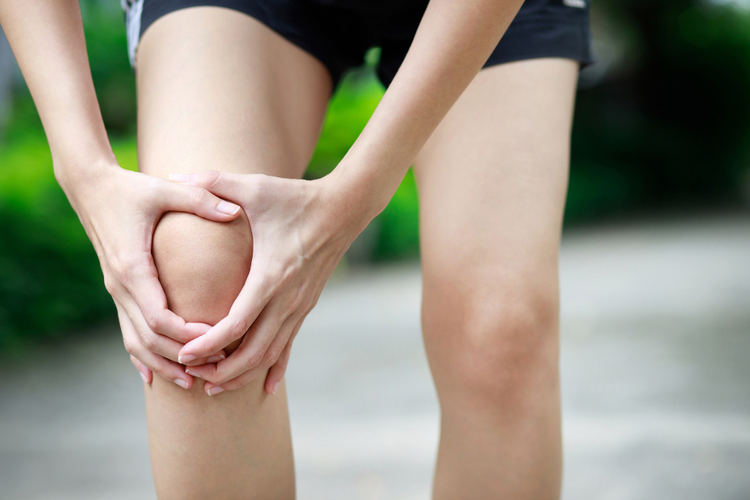
Knee pain can make everyday activities such as walking, climbing stairs or even getting out
of a chair feel unexpectedly difficult. Whether your discomfort is due to an old injury,
wear and tear from sports, or simply spending too much time sitting, targeted exercises can
often play a key role in managing symptoms and improving joint function.
Many people assume they need to rest completely when their knees hurt, but the right kind of
movement can actually help reduce stiffness, strengthen supporting muscles and
restore mobility over time.
In this article, we will explore practical and effective exercises for knee pain, explain
how they help and guide you on how to perform them with appropriate technique and control.
What Are the Benefits of Exercises for Knee Pain?
Exercises for knee pain can help reduce discomfort, improve joint function and strengthen
the muscles that support the knee.
Regular movement may contribute to:
- Improved stability around the knee joint
- Better flexibility and range of motion
- Enhanced blood flow to improve circulation around the knee
- Reduced risk of further injury through better coordination and balance
When Should You Start Exercising a Painful Knee?
You can usually begin gentle exercises when knee pain is mild to moderate and not linked to
a recent trauma or acute injury.
A gradual introduction of low-impact exercises is often appropriate when symptoms relate to overuse,
muscle imbalances or conditions such as runner's knee or early-stage
osteoarthritis. Starting slowly allows you to observe how your knee responds and adjust the
intensity as needed.
If your knee is swollen, unstable or very painful during basic movements such as bending or
straightening,
it is advisable to consult a physiotherapist or knee
specialist before beginning any exercise
programme.
What Types of Exercises Help with Knee Pain?
The most helpful exercises for knee pain typically focus on strengthening the quadriceps,
hamstrings, calves and hip muscles, while also improving flexibility and joint mobility.
A balanced approach often includes:
- Strengthening exercises – Build muscular support around the knee joint.
- Stretching exercises – Improve flexibility and reduce tension in surrounding tissues.
- Balance and control exercises – Enhance knee stability and coordination.
- Low-impact aerobic activity – Supports overall joint health without excessive load.
1. Strengthening Exercises for Knee Pain
Insufficient strength in the quadriceps, gluteal muscles and hip stabilisers can increase the load
on the knee joint and contribute to ongoing pain or difficulty with everyday movements.
You can try the following strengthening exercises to build support around the knee joint.
Straight Leg Raise
How to perform: Lie on your back with one knee bent and the other leg
straight. Tighten your thigh muscle and lift the straight leg until it reaches the height of
the bent knee. Hold for 3 to 5 seconds and lower slowly. Repeat 10 to 15 times on each leg.
What it strengthens: Quadriceps and hip flexors.
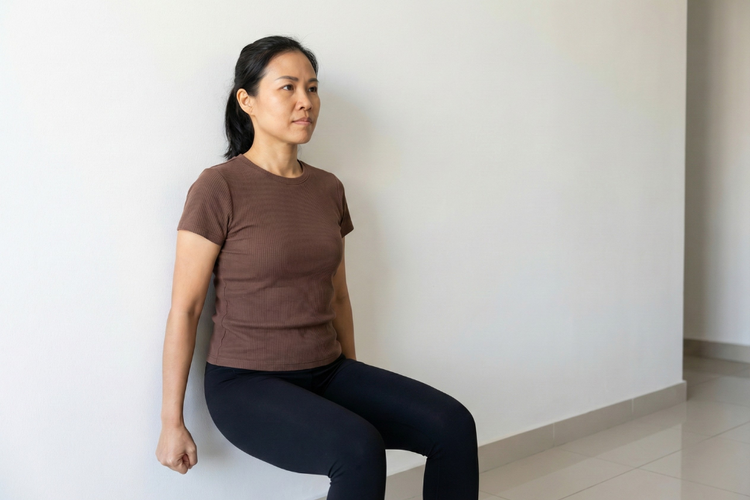
Wall Squat
How to perform: Stand with your back against a wall and your feet
shoulder-width apart. Slide down into a gentle squat, keeping your knees aligned
over your ankles. Hold for 5 to 10 seconds before returning to standing. Perform 8
to 10 repetitions.
What it strengthens: Quadriceps, gluteal muscles and core
stabilisers.
Step-Ups
How to perform: Use a low step or staircase. Step up with one leg, then
bring the other leg up to meet it. Step down and repeat, alternating the leading leg. Start
with 1 to 2 sets of 10 repetitions.
What it strengthens: Quadriceps, hamstrings and gluteal muscles.
Side-Lying Leg Lift
How to perform: Lie on your side with both legs straight. Slowly lift the
top leg to about 30 to 45 degrees and hold for 3 seconds. Lower with control. Perform 10 to
15 repetitions on each side.
What it strengthens: Hip abductors and gluteal muscles.
 If you are unsure which exercises suit your knee pain, or if symptoms persist or worsen and
interfere with daily movement, consult our
knee specialists for an assessment to identify the factors contributing to your
discomfort.
If you are unsure which exercises suit your knee pain, or if symptoms persist or worsen and
interfere with daily movement, consult our
knee specialists for an assessment to identify the factors contributing to your
discomfort.
2. Stretching Exercises for Knee Pain
Limited flexibility in the hamstrings, calves or quadriceps can restrict joint movement and increase
strain on the knee during walking, squatting or climbing
stairs.
Incorporating these stretches into your routine may help ease tightness and improve knee mobility.
Hamstring Stretch
How to perform: Sit on the floor with one leg extended and the other bent.
Lean forward from your hips toward the extended leg while keeping your back straight. Hold
for 20 to 30 seconds. Repeat on the other side.
What it stretches: Hamstrings, which can limit knee extension when tight.
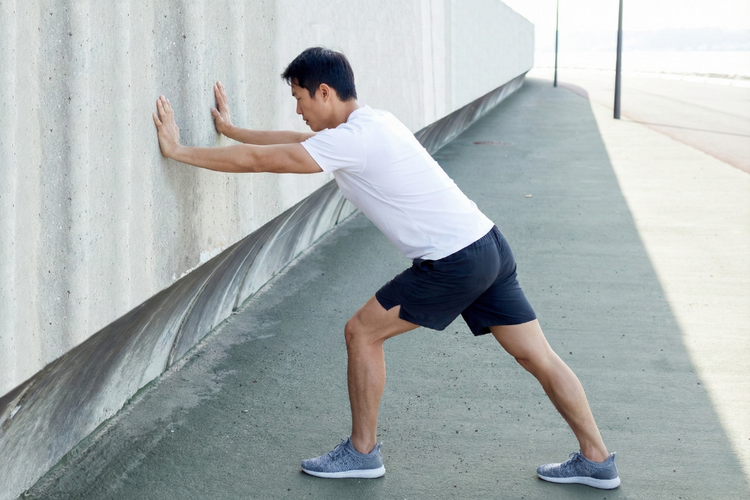
Calf Stretch
How to perform: Stand facing a wall, place your hands on it and
extend one leg behind you with the heel flat. Bend the front knee and lean forward
until you feel a stretch in the calf of the back leg. Hold for 20 to 30 seconds per
leg.
What it stretches: Gastrocnemius and soleus muscles, which
influence ankle mobility and can affect knee alignment during movement.
Quadriceps Stretch
How to perform: Stand near a wall or chair for balance. Bend one knee and
pull your foot towards your buttocks with your hand, keeping your knees aligned. Hold for 20
to 30 seconds. Switch legs.
What it stretches: Quadriceps, which can contribute to kneecap discomfort
when excessively tight.
3. Balance and Control Exercises
Poor balance and reduced knee control can contribute to recurrent knee pain or injury because the
joint may absorb more stress during walking, running or changing direction.
Practising the exercises below can help you gradually improve knee stability and movement control.
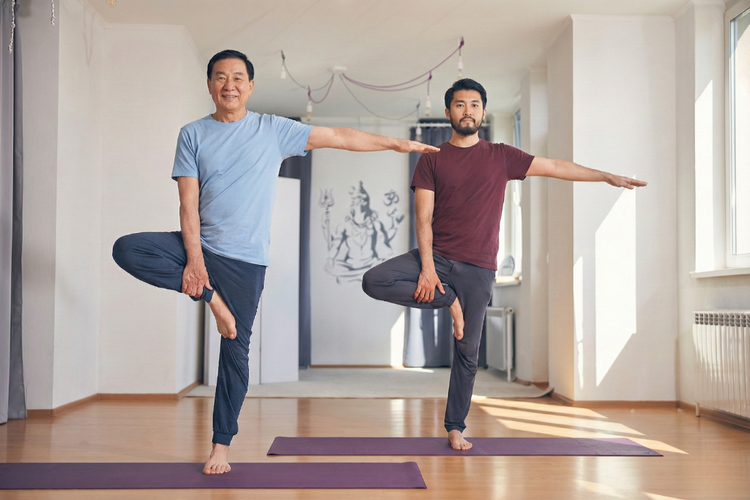
Single-Leg Stand
How to perform: Stand near a support surface and lift one foot
slightly off the floor. Hold the position for 20 to 30 seconds, gradually increasing
the time as your balance improves. Repeat on the other leg.
What it improves: Knee stability, proprioception and weight-bearing
control.
Heel-to-Toe Walk
How to perform: Walk in a straight line by placing the heel of one foot
directly in front of the toes of the other. Focus on slow, deliberate steps. Perform 10
steps forward and back.
What it improves: Coordination, dynamic balance and lower-limb control
during movement.
How Often Should You Do Knee Pain Exercises?
The ideal frequency depends on your symptoms, activity level and how your knee responds to
movement, but many people benefit from performing strengthening and stretching exercises
several times per week. You can begin with one set of each exercise and increase
gradually to 2 to 3 sets as your comfort and control improve.
Balance and control exercises may be practised more frequently because they place
less load on the joint. If you notice increasing pain or swelling, reduce the intensity or pause
the exercises and consider consulting a healthcare professional for individual guidance.
What to Avoid When Exercising with Knee Pain?
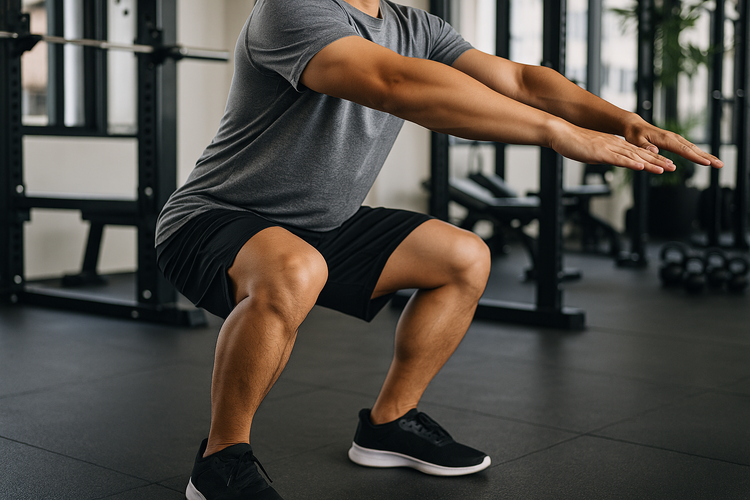
You should avoid high-impact movements such as jumping, deep squats or
running unless these have been specifically recommended by your physiotherapist or knee
specialist.
Do not continue any exercise that leads to sharp, increasing or persistent
pain.
It is important to focus on controlled movements and good alignment rather than speed or
intensity. Using poor technique or progressing too quickly may aggravate symptoms or
increase strain on the knee.
When Should You Seek Medical Evaluation?
You should consider medical evaluation when your knee pain suggests that further assessment may be
needed to understand the underlying cause.
These symptoms may sometimes be linked to conditions such as knee osteoarthritis, ACL injuries, meniscus injuries, cartilage damage, or (less commonly)
fractures.
Seek advice if you notice:
- Persistent or worsening pain over several days
- Swelling that does not improve or returns frequently
- Locking, catching or giving way of the knee
- Difficulty walking or performing daily activities
- Pain that develops after a fall or direct injury
Strengthening exercises can play an important role in managing knee pain. If symptoms continue despite regular exercise, we can assess the underlying cause and recommend further treatment.
Dr Foo Gen Lin
Find a Knee Specialist Near Me
Apex Novena
Why Do Patients Choose Apex Sports Clinic?
Sports Doctor in Singapore: Personalised & Affordable Care
One-Stop Sports Clinic
We provide comprehensive care in one clinic, from consultation, imaging, and injections through to physiotherapy, sports massage, and surgery when needed.
Keyhole Surgery Expertise
We specialise in arthroscopic keyhole surgery to treat sports injuries with precision and minimal tissue disruption, supporting faster recovery and restored joint function.
Specialist in Sports Injury Management
We combine evidence-based injury management with a proactive approach to maintaining your body's strength and function, so you can recover fully and perform at your peak.
Patient Journey
1 . Schedule Your Appointment

2 . Expert Diagnosis & Consultation

3 . Customised Treatment Plan

Schedule an Appointment

Our Insurance Partners




Frequently Asked Questions (FAQs)
The best exercise for knee pain depends on the underlying cause, but many people benefit from movements that strengthen the quadriceps and gluteal muscles, such as straight leg raises or wall squats. These exercises help support the knee and reduce strain during daily activities. Gentle stretching and balance exercises may also contribute to improved comfort and mobility.
The fastest way to recover from knee pain usually involves managing load, reducing irritating activities and gradually reintroducing targeted strengthening, stretching and low-impact movement. This combination helps ease stiffness, maintain circulation and support joint function while avoiding excessive stress. If pain worsens or occurs after an injury, it is advisable to seek assessment from a physiotherapist or knee specialist.
You should avoid activities that repeatedly aggravate symptoms, such as deep bending, high-impact movements or sudden increases in training intensity. Continuing through sharp or escalating pain may place additional stress on irritated tissues. It is also helpful to avoid prolonged inactivity, as this can increase stiffness and reduce muscle support around the knee.
You can often continue gentle exercise when knee pain is mild and not linked to a recent injury, as controlled movement may help ease stiffness and maintain strength. However, exercises that cause sharp, catching or worsening pain should be paused. If walking becomes difficult or symptoms persist, it is advisable to seek guidance from a physiotherapist or knee specialist.
Exercises that promote fluid movement within the joint, such as gentle range-of-motion movements, slow cycling or controlled leg swings, may help keep the knee moving comfortably. These activities encourage the natural circulation of synovial fluid, which supports smooth joint motion. Strengthening and stretching can further reduce strain on the knee during daily tasks.
It is generally helpful to balance short periods of rest with gentle movement, but the right approach depends on how severe your knee pain is. Light walking or low-impact activity can support circulation and reduce stiffness, while excessive rest may lead to weaker muscles and increased discomfort. However, if walking causes worsening pain, limping or a sense of instability, it is advisable to seek evaluation from a physiotherapist or orthopaedic knee specialist.
You can support natural knee lubrication by staying active with low-impact exercises such as cycling, swimming or controlled mobility exercises, which encourage the spread of synovial fluid across the joint surface. Maintaining muscle strength and joint flexibility also helps reduce friction during movement.
The number one mistake that makes knee symptoms worse is continuing activities that trigger sharp, escalating or persistent pain, as this can increase stress on already irritated tissues. High-impact movements, poor technique, or inadequate muscle support around the knee can also contribute to worsening discomfort. Paying attention to early signs of strain and adjusting activity levels can help reduce unnecessary pressure on the joint.
The best home remedy for knee pain often includes gentle movement, light stretching and short periods of rest to reduce stiffness and support circulation. Some people also benefit from brief cold or warm therapy depending on the nature of their discomfort. If symptoms persist, worsen or develop after an injury, it is advisable to seek medical assessment to rule out underlying conditions that may require further care.
The main reason for knee pain varies, but common contributors include overuse, muscle imbalance, age-related changes, previous injuries and conditions such as osteoarthritis or tendinopathy. Symptoms often develop when the joint or surrounding tissues are placed under more load than they can comfortably manage. If pain is persistent or affects your ability to move, it is advisable to seek medical evaluation.
No specific food has been shown to repair knee cartilage, but a balanced diet that includes adequate protein, antioxidants and omega-3 fatty acids may support overall joint health. Nutrient-rich foods such as fish, nuts, berries, vegetables and whole grains can contribute to general tissue maintenance. Dietary measures should complement, not replace, appropriate exercise and medical guidance where needed.
The best sleeping position for knee pain is usually one that keeps the joint supported and comfortably aligned, such as lying on your back with a pillow under the knees or on your side with a pillow between the legs. These positions may reduce strain on the knee and ease pressure on surrounding tissues. Adjusting pillows for comfort can help you find the most suitable position.
There is no single exercise that suits everyone with knee pain in older age, but many people benefit from low-impact strengthening such as straight leg raises, mini-squats to a comfortable depth and gentle step-ups. These can be combined with light stretching and balance exercises to support mobility. If you are unsure which exercises are suitable for you, it is advisable to seek professional guidance.
Signs of a serious knee problem include persistent or worsening pain, swelling that does not improve, locking, giving way, or difficulty bearing weight. Symptoms following a fall or sudden injury may also indicate structural damage such as an ACL tear, meniscus injury or fracture. If these issues occur or rapidly worsen, it is advisable to seek prompt evaluation.
Shoes that support knee pain typically provide good cushioning, a stable midsole and proper arch support to help reduce excess stress on the lower limbs. The most suitable shoe varies by foot shape, walking pattern and activity level, so trying different options may help identify what feels most comfortable. Worn-out footwear should be replaced regularly to maintain consistent support.
Knee pain in pregnancy often results from increased body weight, fluid retention and hormonal changes that loosen ligaments and affect joint stability. Changes in posture and walking patterns can also increase pressure on the knees. Symptoms often improve after delivery, but if the discomfort is persistent or severe, it is advisable to discuss it with your gynaecologist, obstetrician or physiotherapist.
Knee pain from dancing may improve by reducing high-impact movements for a period, reviewing technique to minimise joint strain and adding strengthening and stretching for the hips, thighs and calves. Short intervals of cold or warm therapy can also help with general discomfort. Because some dance-related pain may involve ligament, tendon or cartilage irritation, persistent or worsening symptoms should be assessed by a physiotherapist or sports doctor.
Knee pain from running often improves with reduced training load, better footwear, and exercises that strengthen the quadriceps, hip muscles and calves. Gradual return to running and attention to form may also reduce strain on the knee. If pain continues despite modifying activity or affects your ability to run or walk comfortably, it is advisable to seek evaluation from a physiotherapist or knee specialist.
Sciatica can cause knee pain because irritation of the sciatic nerve may produce discomfort that radiates down the leg. This pain can feel similar to knee-related conditions, which sometimes makes the source difficult to identify. If symptoms include back pain, numbness or tingling, or if the pattern of pain is unclear, it is advisable to seek medical assessment.
Knee pain may ease within three days if the cause is minor, such as temporary overloading, muscle tightness or a mild flare-up that settles with rest and gentle movement. Pain linked to swelling, irritation of deeper tissues or injury often takes longer to improve. If symptoms do not ease after a few days or begin to worsen, it is advisable to seek guidance from a physiotherapist or knee specialist.