
Inner (Medial) Knee Pain: Causes & Treatments
Information reviewed by: Dr Foo Gen Lin | Last updated:
Experiencing persistent pain on the inner side of your knee? Dr Foo provides assessment, diagnosis, and tailored treatment options to pinpoint the cause and support lasting relief.

MBBS (University of London) | MMed (Ortho) | FRCSEd (Ortho) | FAMS (Ortho)

What Causes Inner Knee Pain?
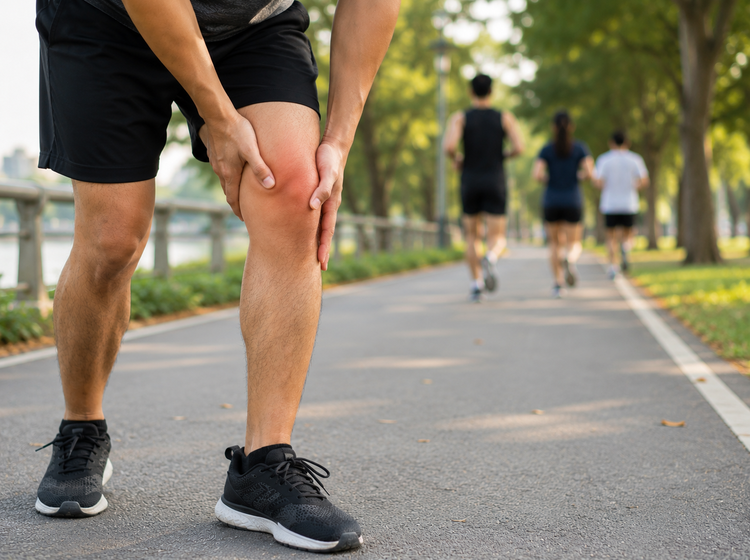
Inner knee pain, also described as pain on the inner side of the knee or medial compartment
of the knee, is most often caused by damage or irritation to the structures along
the medial (inner) part of the knee joint, including the meniscus, ligaments,
tendons, bursae, and cartilage. In some cases, pain felt on the inner knee can also be
referred from the hip or lower back.
The inner knee bears the majority of the load during walking, running, and twisting
movements, which makes it vulnerable to both sudden injuries and gradual wear. Common causes
include:
1. Medial Knee Osteoarthritis
What It Is: Medial compartment
osteoarthritis is gradual wear of the cartilage on the inner side of the knee. It tends to
develop slowly over months or years.
Causes & Risk Factors: Ageing, repetitive load on the knee, previous injury, and
bow-legged alignment.
Symptoms: Deep, aching pain on the inside of the knee, morning stiffness, reduced
range of motion, and a grinding sensation during bending. The pain eases with rest but returns with
prolonged walking or standing.
2. Medial Meniscus Tear
What It Is: A medial
meniscus tear is damage to the C-shaped fibrocartilage pad (a tough, rubbery piece of
cartilage shaped like a crescent) on the inner side of the knee, which normally absorbs shock and
stabilises the joint.
Causes & Risk Factors: Twisting the knee with the foot planted, deep squatting, or
age-related degeneration of the cartilage.
Symptoms: Sharp pain along the inner joint line, particularly when the knee is
bent, twisted, or loaded through a squat. Clicking, catching, or a sense that the knee is
locking during movement.
3. Pes Anserine Bursitis
What It Is: Pes anserine bursitis involves inflammation of the bursa (a small
fluid-filled sac) located about 5 cm below the inner knee joint, where three thigh tendons (from the
sartorius, gracilis, and semitendinosus muscles) attach to the shin bone.
Causes & Risk Factors: Running, swimming, knee osteoarthritis, tight hamstrings,
and flat feet.
Symptoms: Dull ache or burning pain in the lower inner knee that worsens when
climbing stairs, getting up from a chair, or after long periods of activity.
4. Medial Collateral Ligament (MCL) Injury
What It Is: An MCL injury is a sprain or tear of the medial
collateral ligament, the band of tissue along the inside of the knee that resists forces
pushing the knee inward.
Causes & Risk Factors: A direct blow to the outer knee or a sudden change in
direction during sport.
Symptoms: Localised pain on the inner knee, swelling, tenderness directly over the
ligament, and a feeling of instability when walking or turning.
5. Hamstring Tendinopathy and Adductor Strain
What It Is: Hamstring
tendinopathy and adductor strain involve overload or injury to the tendons and muscles that
attach near the inner knee. The semitendinosus (a hamstring) and gracilis (an adductor) attach in
this region via the pes anserine. Irritation of these structures differs from pes anserine bursitis
in that the tendons and muscles themselves are affected, rather than the bursa.
Causes & Risk Factors: Overuse or sudden overstretching of the tendons. Strains
higher up in the hamstring or adductor muscles can also refer pain down into the inner knee. More
common in runners, cyclists, and athletes in sports with frequent direction changes.
Symptoms: Pain that worsens during activity and eases with rest.
6. Medial Plica Syndrome
What It Is: Medial plica
syndrome occurs when the plica, a thin fold of synovial tissue (the soft lining inside the
knee joint), becomes irritated, thickened, and painful.
Causes & Risk Factors: Repetitive bending of the knee or a direct knock to the
inner kneecap.
Symptoms: A snapping or popping sensation on the inner side of the kneecap,
tenderness when pressing along the inner knee, and discomfort that worsens with prolonged sitting or
stair climbing.
What Activities Worsen Inner Knee Pain?
Certain movements increase load or twisting forces on the medial side of the knee, which can aggravate an already inflamed or damaged structure such as the meniscus, MCL, pes anserine tendons, or inner cartilage.
- Going up or down stairs increases pressure across the inner cartilage and can intensify pain from meniscus tears or arthritis.
- Running and walking long distances repeatedly load the inner knee, which can flare up pes anserine bursitis or early osteoarthritis.
- Squatting and lunging compress the inner joint line, particularly with deep squats, and may aggravate meniscal or plica-related pain.
- Straightening the leg fully can pinch a torn meniscus fragment, while bending the knee inward (such as twisting or landing awkwardly) can stress damaged MCL fibres.
- Sleeping with the knees pressed together can compress inflamed inner tissues, leading to night pain or discomfort on waking.
- Cycling with incorrect saddle height or the knee falling inward during pedalling places repeated stress on the inner tendons and pes anserine area.

When Does Inner Knee Pain Need Medical Attention?
Inner knee pain warrants medical attention when it persists, worsens, or is accompanied by
signs of structural injury or inflammation.
While mild aches often settle with rest, certain symptoms may indicate a problem that needs further
assessment:
- A hot, swollen knee with fever or feeling generally unwell
- Pain that follows a twisting injury, fall, or direct blow
- A locking or catching sensation during bending
- A feeling that the knee may give way under load
- Inability to fully straighten or bend the knee
- Swelling, warmth, or redness around the inner knee
- Numbness, tingling, or weakness spreading down the leg
- Pain that is worse at night or wakes you from sleep
- Pain that lasts longer than two weeks or interferes with walking, sleep, or work
Early assessment helps identify the underlying cause, speed up recovery, and reduce the risk of progressive cartilage or ligament damage.
 Wondering if your inner knee pain is something more serious? A quick
consultation with our knee specialist
can help you understand what is causing it and what to do next.
Wondering if your inner knee pain is something more serious? A quick
consultation with our knee specialist
can help you understand what is causing it and what to do next.
How Is Inner Knee Pain Diagnosed?
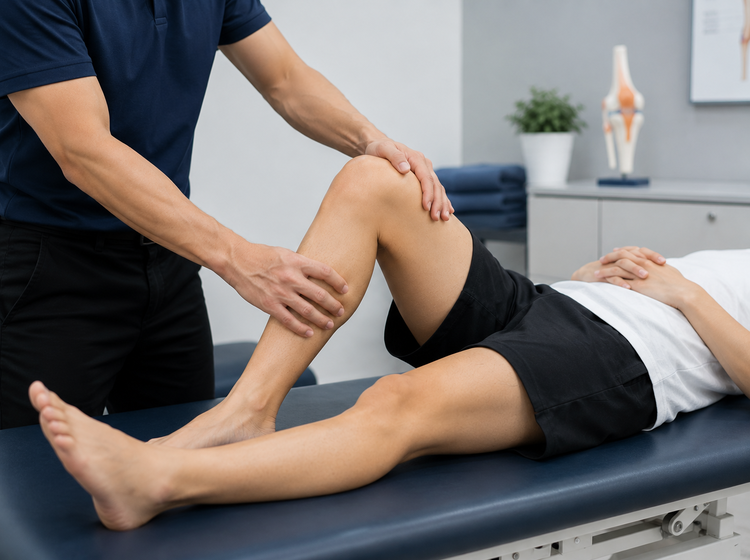
Diagnosing inner knee pain involves a structured evaluation to identify which
structure on the inner side of the knee is involved.
This helps differentiate between meniscal, ligament, tendon, bursal, and arthritic causes so
that treatment can be targeted appropriately.
Medical History Review
A discussion of how the pain started, what activities trigger it, prior knee injuries, swelling patterns, and any clicking, locking, or instability you have noticed.
Physical Examination
Hands-on tests to check tenderness along the joint line, ligament stability, specific meniscal tests, range of motion, and tightness in the hamstrings, adductors, and hip muscles.
Imaging
X-rays can show joint space narrowing, alignment, and signs of osteoarthritis, while MRI scans give detailed views of the meniscus, ligaments, cartilage, and tendons. Ultrasound may also be used to assess soft tissue structures such as the pes anserine bursa and surrounding tendons.
Functional Assessment
Observation of how you walk, squat, and bear weight may reveal movement patterns, muscle imbalances, or biomechanical issues (problems with how your body moves and distributes load) contributing to the pain.
What Are the Common Treatment Options for Inner Knee Pain?
Treatment for inner knee pain ranges from conservative care to more specialised
options, depending on the underlying cause, severity of symptoms, and activity goals.
Most cases respond well to conservative care, with further treatment options reserved for persistent
or structural problems.
1. Conservative Treatments
Activity Modification
Reducing or temporarily avoiding movements that aggravate the inner knee, such as deep squats, prolonged kneeling, or high-mileage running, to allow inflamed tissues to settle.
Bracing or Taping
A medial unloader brace (most useful for medial compartment osteoarthritis) or kinesiology tape can support the inner knee, reduce stress on the inner knee, and provide comfort during activity.
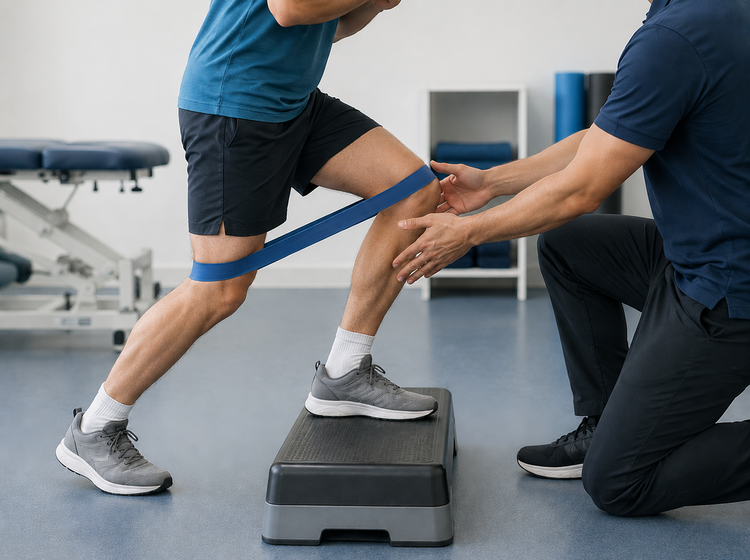
Physiotherapy
Targeted exercises to strengthen the quadriceps, hamstrings, glutes, and hip stabilisers, paired with stretching and gait guidance to offload the inner knee.
Manual Therapy
Hands-on techniques such as joint mobilisation and soft tissue release to ease stiffness, reduce muscle tightness around the inner knee, and improve joint mechanics.
Medication
Non-steroidal anti-inflammatory drugs (NSAIDs) can help control pain and swelling, particularly in flare-ups of bursitis, tendinopathy, or arthritis.
Injection Therapy
Corticosteroid injections may reduce inflammation in pes anserine bursitis or arthritic flare-ups, while hyaluronic acid injections can improve joint lubrication in osteoarthritis. Joint aspiration, where excess fluid is drained from a swollen knee, may also be used to relieve pressure and assist diagnosis.
Regenerative Treatments
Platelet-rich plasma (PRP) injections use components of a patient's own blood to stimulate tissue healing, while shockwave therapy delivers sound waves to the affected area to promote blood flow and tendon repair. These may be considered for chronic tendon or cartilage-related pain that does not respond to standard care.
2. Surgical Options
Knee Arthroscopy
Knee arthroscopy is a minimally invasive procedure that uses a small camera and instruments inserted through tiny incisions to repair or remove damaged structures inside the joint. It may be considered for confirmed meniscus tears, loose cartilage fragments, or plica problems that fail to improve with conservative treatment.
Realignment or Joint Replacement Surgery
Realignment or joint replacement surgery addresses advanced medial compartment osteoarthritis by
correcting alignment or replacing worn joint surfaces, relieving pain and restoring function when
conservative care no longer provides relief.
Options include high tibial
osteotomy (realigning the leg to shift load away from the inner knee), partial
knee replacement, or total knee replacement.
If symptoms persist despite a structured treatment plan, advanced imaging and review by a knee
specialist can help identify whether structural intervention is needed.
How Can You Prevent Inner Knee Pain?
Preventing inner knee pain involves protecting the medial structures of the knee through
balanced strength, controlled loading, and good movement habits.
The following strategies may help reduce the risk:
- Maintain a healthy body weight to reduce sustained pressure on the inner knee.
- Strengthen the hip and thigh muscles, particularly the glutes, quadriceps, and hamstrings, to share load away from the inner knee.
- Build mileage and intensity gradually when running or cycling, allowing the medial structures to adapt to new loads.
- Use correct technique for squats, lunges, and running, keeping the knee aligned over the foot rather than collapsing inward.
- Treat minor pain early rather than pushing through, since persistent irritation can progress into chronic problems.
- Address tight hamstrings and adductors with regular stretching or mobility work, since tightness pulls on the pes anserine tendons.
- Check the cycling setup, ensuring saddle height, fore-aft position, and cleat alignment keep the knee aligned over the foot while pedalling.
- Wear supportive footwear in good condition, since flat feet or worn-out shoes can shift load toward the inner knee.
If you have a previous knee injury, known osteoarthritis, or recurring inner knee discomfort, consider working with a physiotherapist, sports doctor, or knee specialist to build a tailored prevention plan suited to your activity level.
Inner knee pain can stem from many causes, from the medial meniscus to the pes anserine tendons. Pinpointing which one is involved allows us to match each patient with the right treatment, avoid unnecessary interventions, and support lasting relief.
Dr Foo Gen Lin
Find a Knee Specialist Near Me
Apex Novena
Why Do Patients Choose Apex Sports Clinic?
Sports Doctor in Singapore: Personalised & Affordable Care
One-Stop Sports Clinic
We provide comprehensive care in one clinic, from consultation, imaging, and injections through to physiotherapy, sports massage, and surgery when needed.
Keyhole Surgery Expertise
We specialise in arthroscopic keyhole surgery to treat sports injuries with precision and minimal tissue disruption, supporting faster recovery and restored joint function.
Specialist in Sports Injury Management
We combine evidence-based injury management with a proactive approach to maintaining your body's strength and function, so you can recover fully and perform at your peak.
Patient Journey
1 . Schedule Your Appointment

2 . Expert Diagnosis & Consultation

3 . Customised Treatment Plan

Schedule an Appointment

Our Insurance Partners




Frequently Asked Questions (FAQs)
Inner knee pain when straightening the leg most often points to a meniscus issue, where a torn fragment can get pinched as the joint reaches full extension. Other possibilities include a strained medial collateral ligament (MCL), tight surrounding muscles, or early osteoarthritis limiting joint movement. If straightening repeatedly produces sharp pain or a locking sensation, it is worth having your knee medically assessed.
Sudden inner knee pain without any injury can occur from a degenerative meniscus tear, where worn cartilage tears during an everyday movement such as standing up or twisting. Other causes include osteoarthritis flare-ups, pes anserine bursitis, gout, or, less commonly, infection inside the joint. If the knee is also hot, very swollen, or paired with fever, prompt medical assessment is important, as some causes need urgent care.
A sharp pain on the inner side of the knee most commonly suggests a medial meniscus tear, particularly if it worsens with twisting, deep bending, or squatting. Other possibilities include a medial collateral ligament (MCL) sprain, medial plica irritation, or a pes anserine tendon issue. If the pain persists, comes with locking, or limits walking, consider having your knee assessed to identify the underlying cause.
Inner thigh pain near the knee can be related to inner knee pain because the adductor and hamstring muscles share attachments in that area through the pes anserine tendons. Strain in these muscles, irritation of the surrounding tendons, or referred pain from the hip or lower back can sometimes create overlapping symptoms. If the discomfort persists or affects movement, a medical assessment can help clarify where it is coming from.
Inner knee pain can be a sign of arthritis, particularly medial compartment osteoarthritis, which causes gradual wear of the cartilage on the inner side of the knee. However, many other conditions, including meniscus tears, pes anserine bursitis, medial collateral ligament (MCL) injuries, and tendon strains, can produce similar pain. A proper assessment is the most reliable way to tell arthritis apart from other causes, especially when symptoms have lasted more than a few weeks.
Sciatica can sometimes cause pain felt around the inner knee, though true sciatica involves the sciatic nerve, which mainly affects the back of the leg. Pain on the inner knee from a nerve issue is more often linked to the L3 or L4 nerve roots in the lower back. Tingling, numbness, or weakness spreading from the back down the leg alongside the knee pain points toward a nerve-related cause worth investigating.
Tight hamstrings can contribute to inner knee pain because two of them attach near the inner knee, partly through the pes anserine tendons. Persistent tightness pulls on these tendons and the underlying bursa, increasing the risk of pes anserine bursitis or tendon irritation. Regular stretching and balanced strengthening of the hip and thigh often help. If symptoms persist despite this, a medical assessment can identify whether another structure is involved.
Hip problems can cause inner knee pain in two ways. Pain from hip arthritis or labral injuries can radiate down into the knee through shared nerve pathways, and weakness or stiffness around the hip can change how the knee bears load, putting extra stress on its inner side. If knee pain appears alongside hip stiffness, groin discomfort, or altered walking patterns, having both joints assessed by a specialist helps identify whether the hip is contributing to the inner knee pain.
The iliotibial (IT) band does not typically cause inner knee pain, as it runs along the outer side of the thigh and attaches near the outer knee. Pain from IT band irritation is felt on the outside of the knee rather than the inside. If the pain is clearly on the inner side, more likely causes include a medial meniscus tear, pes anserine bursitis, a medial collateral ligament (MCL) issue, or referred pain from the hip or lower back.
Inner knee pain a year after ACL surgery can occur for several reasons. These include a new or missed medial meniscus tear, early cartilage wear from altered joint mechanics, irritation around the hamstring graft site (since hamstring tendons are often used to make the new ligament), or pes anserine bursitis. If the pain is persistent, worsening, or limiting movement, it would be worth raising with your surgeon or arranging a specialist review.
Inner knee pain with swelling can point to inflammation or structural injury, such as a meniscus tear, medial collateral ligament (MCL) sprain, an arthritis flare-up, or pes anserine bursitis. Without swelling, the cause may indicate a tendon issue, mild osteoarthritis, muscle tightness, or referred pain from the hip or lower back. If swelling is significant or the pain is persistent, a clinical assessment can help identify the underlying cause.
How long inner knee pain lasts depends on the underlying cause. Minor strains and pes anserine bursitis often settle within two to six weeks with rest and load management. Medial collateral ligament (MCL) sprains can take four to eight weeks for the milder grades, while meniscus tears and osteoarthritis are often longer-term issues that may need targeted treatment. If pain has lasted longer than two weeks without improvement, consider seeking medical assessment to identify the cause.
Inner knee pain can often be managed through a combination of rest from aggravating activities, applying ice to reduce inflammation, gentle stretching of the hamstrings and calves, and over-the-counter anti-inflammatory medication where suitable. Wearing supportive footwear and avoiding deep squats or prolonged kneeling also helps. If the pain does not improve within two weeks or worsens with daily activity, consider seeking a clinical assessment to identify the cause.
Ice is generally more suitable in the acute stage, soon after an injury or flare-up, when the inner knee is sharp, swollen, or warm, as it helps reduce inflammation and numb the area. Heat is often more useful later on for stiffness, muscle tightness, or longer-standing aches, where it can ease tension and improve blood flow. Many people find alternating between the two helpful. If the pain is severe, persistent, or accompanied by significant swelling, consider seeking an assessment to guide more specific treatment.
Taping for inner knee pain typically involves applying kinesiology tape or a supportive technique along the inner side of the knee to offload the medial structures and provide gentle stability during activity. The exact placement depends on the underlying cause, as a meniscus tear, medial collateral ligament (MCL) strain, and pes anserine bursitis each respond to different patterns. A physiotherapist or sports doctor can demonstrate the most suitable technique and check whether other treatments would help alongside taping.
Massage for inner knee pain is usually most helpful around the muscles that attach near the inner knee rather than directly on the painful area itself. This includes the inner thigh adductors, the hamstrings at the back of the thigh, and the calf muscles, where tightness often pulls on the pes anserine tendons. Direct deep pressure on a swollen or inflamed joint is best avoided. A sports doctor or physiotherapist can recommend whether massage is the right approach based on the underlying cause.
A knee brace can help inner knee pain depending on the underlying cause. Medial unloader braces are often used for medial compartment osteoarthritis to shift load away from the inner knee, while hinged braces are used for medial collateral ligament (MCL) injuries to provide stability. For pes anserine bursitis or tendon issues, soft sleeves or kinesiology tape may be more appropriate. If unsure, a knee specialist can recommend the most suitable type based on the underlying condition.
Inner knee pain when sleeping can happen because lying with the knees pressed together compresses inflamed inner tissues, and reduced movement at night can stiffen the joint. Conditions such as pes anserine bursitis, medial compartment osteoarthritis, and meniscus tears commonly cause night discomfort. Placing a pillow between the knees can ease the pressure. If pain regularly wakes you from sleep, it may signal a structural problem that benefits from clinical assessment.
Inner knee pain in both knees often points to gradual, load-related causes such as medial compartment osteoarthritis, pes anserine bursitis, or biomechanical issues like flat feet or bow-legged alignment. Less commonly, it can reflect inflammatory arthritis when other joints are also involved. Reducing aggravating activities and strengthening the hip and thigh muscles often helps. If symptoms persist or affect daily activity, consider seeking a medical assessment to identify the underlying cause.
Strengthening around the inner knee focuses less on the joint itself and more on the surrounding muscles that share its load. This includes the quadriceps, glutes, hip stabilisers, hamstrings, and adductors, which together control how the knee tracks during movement. Common exercises include glute bridges, side-lying hip work, and controlled squats. If unsure about technique or progression, a physiotherapist, sports doctor, or qualified coach can tailor the programme appropriately.
Walking can sometimes be helpful for inner knee pain, particularly with conditions such as mild osteoarthritis, where gentle movement may help maintain joint mobility and muscle support. However, prolonged walking can sometimes worsen pes anserine bursitis, meniscus tears, or arthritis flare-ups by repeatedly loading the medial compartment. Pacing the activity, choosing flat ground, and wearing supportive footwear may help. If walking consistently triggers or worsens the pain, it may be worth having the knee assessed.
The first signs of knee bursitis usually include a dull ache or tenderness over the affected area, mild swelling, and discomfort that worsens with kneeling, climbing stairs, or getting up from a chair. For pes anserine bursitis specifically, the pain tends to sit about 5 cm below the inner joint line. Warmth and redness can also appear in more inflamed cases. If these symptoms appear, an early assessment can help guide management before the irritation becomes longer-standing.
A red flag in knee pain is a symptom that may indicate a more serious underlying problem requiring prompt medical assessment. Examples include a hot, swollen knee with fever, severe pain after a fall or twisting injury, inability to bear weight, sudden locking, marked instability, or numbness and weakness spreading down the leg. These features can point to infection, fracture, significant ligament or meniscus damage, or nerve involvement, and warrant urgent evaluation rather than a wait-and-see approach.
Knee pain from a torn meniscus and pain from arthritis can feel similar but often follow different patterns. A meniscus tear tends to cause sharp pain along the joint line, clicking, catching, or locking, especially after twisting or deep bending. Arthritis usually produces a deeper, aching pain with morning stiffness and grinding that worsens with prolonged use. The two can also occur at the same time, so a clinical examination and imaging are usually needed to confirm.
Knee pain is rarely caused by a single vitamin deficiency, but low vitamin D is the one most commonly discussed in relation to joint pain. Vitamin D plays a role in bone, cartilage, and muscle health, and some studies link deficiency with greater pain in knee osteoarthritis, though evidence is mixed. Knee pain itself usually has a structural or mechanical cause, so identifying the source matters more than focusing on supplements alone.
There is no single mistake that makes every knee worse, but the most common one is pushing through significant pain instead of adjusting activity. Continuing to load an irritated knee, increasing training too quickly, neglecting hip and thigh strength, and ignoring early signs of swelling or instability all tend to worsen symptoms. Early adjustment of activity, paired with targeted strengthening, generally helps protect the knee from longer-term damage.
The most suitable exercise for knee pain depends on the cause, so there is no single best option. Strengthening exercises for the quadriceps, glutes, and hip stabilisers are commonly recommended, as they share load away from the knee. Examples include glute bridges, side-lying hip abductions, and controlled wall squats. Working with a physiotherapist, sports doctor, or qualified coach allows the programme to be tailored to the specific structure involved and progressed appropriately.
Exercises to be cautious of with knee pain depend on the underlying cause, but commonly include deep squats, heavy lunges, high-impact running, jumping, and movements that twist the knee under load. Prolonged kneeling and aggressive stair climbing can also flare up inner knee conditions such as pes anserine bursitis. Rather than avoiding exercise entirely, modifying intensity, range of movement, and frequency often allows training to continue. Assessment and guidance from a physiotherapist or sports doctor helps identify what to limit and what to keep.
Signs of weak knees include a feeling of instability or buckling, difficulty climbing or descending stairs, struggling to stand up from a chair, knees collapsing inward during squats, and quick fatigue with walking or standing. Some people also notice the knee feeling less reliable after minor twists. Weakness usually reflects underlying muscle imbalance, joint problems, or both. If these signs are persistent, an assessment can help identify whether targeted strengthening or further treatment is needed.
The most suitable painkiller for knee pain depends on the cause, severity, and individual health factors, so there is no single best option. Paracetamol is commonly used for mild discomfort, while non-steroidal anti-inflammatory drugs (NSAIDs) are often used for inflammatory conditions like bursitis or arthritis flare-ups. Topical NSAIDs are sometimes preferred to reduce side effects. Your doctor can advise which is appropriate, especially for ongoing use or other health conditions.
Knee bursitis and arthritis can feel similar but differ in important ways. Bursitis usually causes localised tenderness and swelling over a specific spot, such as the front of the kneecap or about 5 cm below the inner joint line, and is often triggered by kneeling, stairs, or overuse. Arthritis tends to cause deeper, more diffuse joint pain with morning stiffness, grinding, and reduced range of motion. A clinical examination and imaging can help confirm which condition is involved.