
Understanding Heel Pain: Causes, Symptoms, and Treatment
Information reviewed by: Dr Foo Gen Lin | Last updated:
Is heel pain affecting your ability to walk or stay active? Dr Foo provides thorough assessment and personalised treatment to help you get back on your feet.

MBBS (University of London) | MMed (Ortho) | FRCSEd (Ortho) | FAMS (Ortho)

What Is Heel Pain?
Ever felt pain at the back of your feet that makes walking uncomfortable or even unbearable?
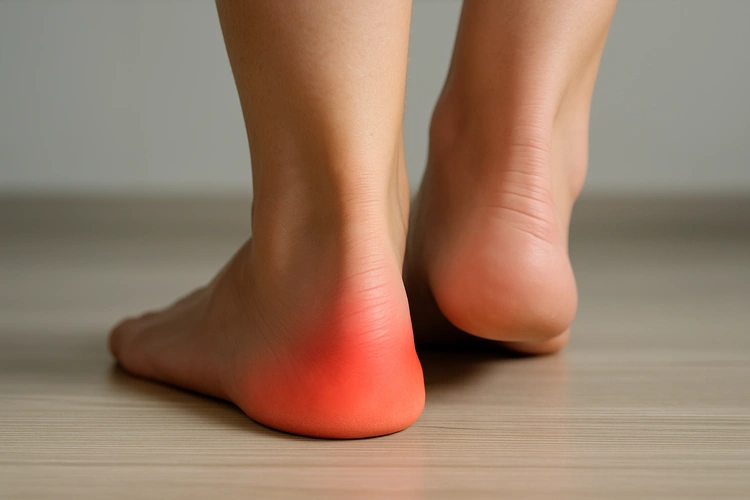
Heel pain is a common condition involving discomfort or aching in the underside or
back of the heel. It is often caused by overuse injuries or inflammation of the
soft tissues in the foot.
The pain may occur during the first steps in the morning, after prolonged activity, or while
standing for long periods. It can affect one or both feet and may range from a sharp,
stabbing sensation to a persistent dull ache.
Heel pain can interfere with your mobility, making it difficult to walk, exercise,
or carry out daily tasks. In this article, we explain its common causes,
symptoms, treatment options, and prevention strategies.
What Are Causes of Heel Pain?
Heel pain can occur due to a combination of repetitive strain, poor biomechanics, improper footwear, or underlying medical conditions affecting the bones, ligaments, or nerves of the foot.
Plantar Fasciitis
Plantar fasciitis is the inflammation of
the plantar fascia, a thick band of tissue that supports the arch and runs along the bottom of the
foot.
When overstressed, this tissue develops microtears, leading to sharp heel pain, especially during
the first steps in the morning or after periods of rest.
Achilles Tendinopathy
Achilles tendinopathy refers to irritation or
degeneration of the Achilles tendon, which connects the calf muscles to the heel bone.
Repetitive strain from running or jumping can cause pain and stiffness at the back of the heel,
particularly during or after physical activity.
Heel Spurs
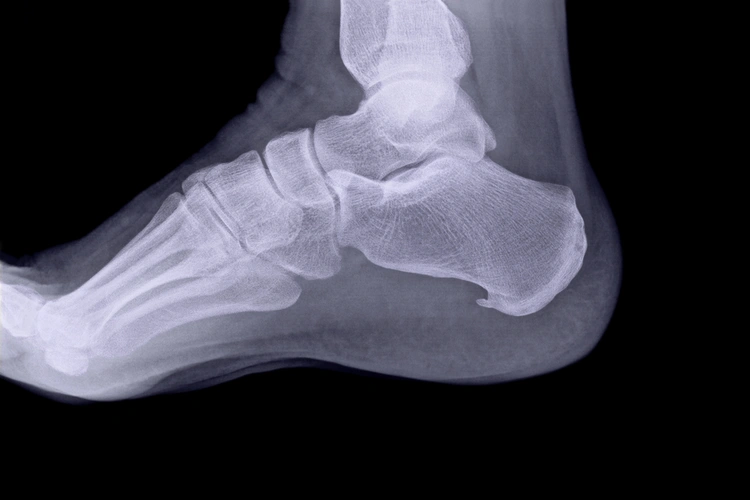
Heel spurs are calcium deposits that develop into bony protrusions under the heel bone.
They often form in response to long-term stress on the plantar fascia and can contribute to
heel pain, particularly when combined with plantar fasciitis.
Bursitis
Bursitis is the inflammation of the bursae, which are fluid-filled sacs that cushion the joints.
When bursae near the heel become irritated, usually from repetitive pressure or improper footwear,
they can cause localised tenderness, swelling, and pain around the heel.
Tarsal Tunnel Syndrome
Tarsal
tunnel syndrome is caused by compression of the posterior tibial nerve as it passes through
the tarsal tunnel near the inner ankle.
This nerve entrapment can lead to burning, tingling, or shooting pain that radiates into the heel
and foot.
Stress Fractures
Stress fractures are tiny cracks in the
heel bone that occur from repetitive impact or overuse.
They are commonly seen in runners or individuals who suddenly increase their activity levels. These
fractures can cause deep, localised heel pain that worsens with weight-bearing.
Systemic Conditions
Certain medical conditions such as rheumatoid arthritis, gout, or diabetes-related neuropathy can cause heel pain through
inflammation, joint involvement, or nerve damage.
These conditions may result in pain affecting both heels and may be accompanied by symptoms such as
joint stiffness, swelling, or numbness.
Sever's Disease
Sever's disease, also known as calcaneal apophysitis, is an
inflammation at the growth plate where the Achilles tendon attaches to the heel bone.
It typically affects children and adolescents during growth spurts and presents as heel pain during
or after physical activity.
What Are the Symptoms of Heel Pain?
Symptoms of heel pain can vary depending on the underlying condition, but they typically include localised pain, swelling, stiffness, and changes in walking patterns.

You may experience:
- Sharp pain under the heel during the first steps after waking
- Pain that worsens with prolonged standing or walking
- Aching or burning at the back of the heel during or after activity
- Tenderness when pressing on the heel or arch
- Swelling or warmth around the heel area
- Difficulty participating in sports or weight-bearing activities
In cases related to nerve involvement, symptoms such as numbness, tingling, or shooting pain may also be present.
 Experiencing persistent or worsening heel pain? Don't let ongoing pain
interfere with your daily routine. Book a
consultation with our orthopaedic
foot and sports injury specialists for a personalised assessment and treatment plan.
Experiencing persistent or worsening heel pain? Don't let ongoing pain
interfere with your daily routine. Book a
consultation with our orthopaedic
foot and sports injury specialists for a personalised assessment and treatment plan.
How Is Heel Pain Diagnosed?
Heel pain is diagnosed through a combination of clinical history, physical examination, and in some cases, imaging studies.
Assessment typically involves:
- Reviewing the onset of symptoms, activity levels, and footwear habits
- Evaluating foot structure, flexibility, and points of tenderness
- Observing gait patterns and weight distribution
If the cause of pain is unclear or symptoms persist, imaging such as X-rays, ultrasound, or MRI may be used to identify conditions like bone spurs, soft tissue inflammation, or stress fractures.
What Are Heel Pain Treatment Options?
Treatment for heel pain typically involves a combination of approaches aimed at reducing inflammation, relieving pressure on affected structures, and addressing underlying causes.

Non-Surgical Approaches
- Activity modification – Reduce running, jumping, or prolonged standing to prevent further irritation of the heel.
- Cold therapy – Apply ice packs to the affected area for 15–20 minutes several times daily to reduce inflammation.
- Physiotherapy – Tailored physiotherapy programme involving calf and plantar fascia stretches to relieve tension, improve flexibility, and address underlying biomechanical issues.
- Medications – Non-steroidal anti-inflammatory drugs (NSAIDs) to help relieve pain and inflammation.
- Footwear and orthotic support – Use supportive shoes with cushioned heels and proper arch support, and consider custom or over-the-counter insoles to redistribute pressure and improve foot alignment.
- Injection-based therapies – Corticosteroid injections may help reduce inflammation in conditions like plantar fasciitis or bursitis. In chronic or treatment-resistant cases, regenerative options such as platelet-rich plasma (PRP) or hyaluronic acid injections may also be considered.
- Shockwave therapy – A non-invasive treatment used in persistent cases to stimulate healing in soft tissues.
Surgical Intervention
Although most cases respond well to non-surgical treatment, surgery may be considered for chronic
cases where symptoms persist or worsen despite conservative management.
The specific procedure depends on the underlying cause and may involve releasing the plantar fascia,
removing a heel spur, or relieving nerve
compression.
When Should You Seek Medical Attention For Heel Pain?
You should consult a sports doctor or orthopaedic specialist if heel pain persists despite rest, worsens over time, or interferes with daily activities.
Seek prompt assessment if you experience:
- Sudden, severe heel pain after an injury
- Inability to bear weight on the affected foot
- Significant swelling, redness, or warmth
- Pain that disturbs sleep or occurs at night
- Numbness, tingling, or other nerve-related symptoms in the foot
- Pain affecting both heels or accompanied by systemic symptoms
Early evaluation helps rule out serious conditions and prevents long-term complications.
How Can You Prevent Heel Pain?
Preventing heel pain involves maintaining proper foot mechanics, using supportive footwear, and addressing early symptoms before they worsen.
Preventive strategies include:
- Wearing properly fitted shoes with adequate arch and heel support
- Replacing worn-out footwear, especially athletic shoes, regularly
- Warming up before exercise and performing regular foot and calf stretches
- Avoiding sudden increases in physical activity or training intensity
- Using cushioning insoles if frequently walking or standing on hard surfaces
- Managing body weight to reduce pressure on the feet
Heel pain can stem from various causes, and identifying the source is key to effective treatment. We assess each patient carefully and recommend a management plan suited to their lifestyle and activity goals.
Dr Foo Gen Lin
Find an Orthopaedic Foot and Sports Injury Specialist Near Me
Apex Novena
Why Do Patients Choose Apex Sports Clinic?
Sports Doctor in Singapore: Personalised & Affordable Care
One-Stop Sports Clinic
We provide comprehensive care in one clinic, from consultation, imaging, and injections through to physiotherapy, sports massage, and surgery when needed.
Keyhole Surgery Expertise
We specialise in arthroscopic keyhole surgery to treat sports injuries with precision and minimal tissue disruption, supporting faster recovery and restored joint function.
Specialist in Sports Injury Management
We combine evidence-based injury management with a proactive approach to maintaining your body's strength and function, so you can recover fully and perform at your peak.
Patient Journey
1 . Schedule Your Appointment

2 . Expert Diagnosis & Consultation

3 . Customised Treatment Plan

Schedule an Appointment

Our Insurance Partners




Frequently Asked Questions (FAQs)
Heel pain is most often caused by inflammation of the plantar fascia or Achilles tendon, typically from overuse, poor foot mechanics, or unsupportive footwear. Less common causes include heel spurs, nerve compression, or stress fractures. Taking a short break from aggravating activities may help, but if pain persists or worsens, it is advisable to consult a foot or orthopaedic specialist for evaluation and management.
Heel pain is rarely a sign of cancer and is usually caused by non-cancerous conditions like plantar fasciitis or tendon irritation. However, in extremely rare cases, tumours involving bone or soft tissue may present as persistent, unexplained heel pain. If your heel pain is severe, progressive, or occurs at night without an obvious cause, it is advisable to seek medical evaluation to rule out uncommon but serious conditions.
Heel pain during walking is often due to stress on the plantar fascia or Achilles tendon, especially if the foot lacks proper support or cushioning. Repetitive impact from walking or standing for long periods can aggravate inflammation and worsen symptoms. If heel pain consistently occurs during activity or limits your mobility, it is best to seek medical evaluation and guidance.
There is no guaranteed quick cure for heel pain, but early care can help ease symptoms more quickly. This may include rest, ice therapy, stretching, supportive footwear, and anti-inflammatory medications. If the pain continues despite these steps, physiotherapy or other treatments may be needed. It is advisable to consult a physiotherapist or orthopaedic foot specialist if symptoms do not improve with basic care.
Heel pain is most commonly caused by plantar fasciitis, Achilles tendinopathy, or other soft tissue strain from overuse, poor footwear, or biomechanical issues. Less common causes include nerve compression, bursitis, stress fractures, or systemic diseases such as rheumatoid arthritis, gout, or diabetes-related neuropathy. Identifying the underlying reason is important, and if your symptoms persist or are unclear, it is best to seek medical evaluation.
Sudden heel pain without a clear injury can result from underlying strain, inflammation, or gradual stress on tissues like the plantar fascia. This is not uncommon, especially in active individuals or those with biomechanical issues. However, if the pain persists, worsens, or interferes with daily activities, it is advisable to seek medical evaluation to identify the underlying cause.
Good sneakers for heel pain provide firm arch support, cushioned heels, and shock absorption to reduce strain on the plantar fascia and surrounding tissues. Shoes with a slightly elevated heel and stable midsole can help offload pressure during walking. Features should match individual foot mechanics, so if heel pain persists despite footwear changes, it is advisable to consult a podiatrist or orthopaedic foot specialist for assessment and personalised recommendations.
Heel pain in the morning is commonly caused by plantar fasciitis, where the plantar fascia tightens overnight and becomes painful when stretched during the first steps. This pattern is typical of inflammation at the heel attachment point and may ease after walking. If you frequently experience morning heel pain, it is advisable to seek evaluation to identify the underlying cause.
Pain after sitting or prolonged standing is often related to plantar fasciitis or Achilles tendinopathy, where periods of inactivity lead to tightening of tissues that are then stressed when movement resumes. The pain may improve with gentle walking but can worsen over time if left untreated. If symptoms are persistent or recurrent, it is best to consult a physiotherapist or foot specialist for further evaluation.
Heel pain is typically managed with rest, ice, stretching, supportive footwear, and anti-inflammatory measures to reduce irritation and support recovery. Targeted exercises, orthotic insoles, and activity modification can help address underlying causes. If pain persists or worsens despite these steps, it is advisable to consult a foot or sports injury specialist to explore appropriate treatment options.
Severe heel pain may result from plantar fasciitis, nerve entrapment, stress fractures, or inflammatory conditions such as bursitis or arthritis. The intensity of pain can vary based on the severity and nature of the underlying issue. If heel pain is severe, sudden in onset, or interferes with walking, it is important to seek prompt medical attention to rule out serious causes and receive appropriate care.
Some cases of heel pain may improve with self-care, including rest, stretching, ice application, and wearing cushioned, supportive footwear. Natural relief often depends on the underlying cause and whether aggravating factors are addressed. However, if pain persists, worsens, or affects mobility, it is advisable to consult a medical professional for further assessment and tailored treatment.
Red flags include sudden, severe heel pain without injury, inability to bear weight, night pain, visible swelling, numbness, or pain affecting both heels. These may signal serious conditions such as fractures, nerve involvement, or systemic diseases like rheumatoid arthritis, gout, or diabetes-related neuropathy. If any of these symptoms are present, it is important to seek prompt medical evaluation to identify the cause and prevent complications.
Walking can be helpful or aggravating depending on the cause and severity of the heel pain. Gentle walking with supportive footwear may promote circulation and mobility in mild cases, but excessive or high-impact walking can worsen inflammation or tissue strain. If walking increases your discomfort, it is advisable to rest and consult an orthopaedic specialist or physiotherapist for tailored guidance based on your condition.
The most commonly recommended exercise for heel pain is stretching the calf muscles and plantar fascia, as these help relieve tension and improve flexibility. Rolling the foot over a frozen bottle or towel can also ease discomfort. The most suitable exercises depend on the underlying cause and severity of the pain, so it is advisable to follow guidance from a physiotherapist or orthopaedic specialist tailored to your needs.
Heel pain is not usually related to kidney issues, but gout, which results from elevated uric acid levels, can sometimes cause joint inflammation in the heel. Although it most commonly affects the big toe, gout may also involve the ankle or heel, leading to redness, swelling, and sharp pain. If you have a history of gout or unexplained heel pain, it is advisable to seek medical evaluation for further investigation.
Wearing socks may offer mild relief by providing warmth and cushioning, particularly when using padded or compression socks. However, socks alone do not treat the underlying cause of heel pain. Their benefit depends on the specific condition and should be combined with proper footwear and treatment guided by a professional such as a physiotherapist or orthopaedic foot specialist.
A doctor can evaluate the cause of heel pain and recommend treatment such as stretching exercises, orthotic support, medications, injections, or physiotherapy. If symptoms persist, imaging or surgical options may be considered. Orthopaedic specialists and physiotherapists can also play key roles in diagnosing and managing heel pain, especially in complex or persistent cases. If you are experiencing persistent or worsening pain, it is advisable to seek a medical assessment.
Non-steroidal anti-inflammatory drugs (NSAIDs) such as ibuprofen are commonly used to reduce pain and inflammation linked to conditions like plantar fasciitis or bursitis. In certain cases, corticosteroid injections may be considered to target more persistent symptoms. The appropriate medication depends on the underlying cause and individual health factors, so it is best to consult your doctor or orthopaedic specialist for personalised guidance.