
How to Prevent Sports Injuries: Practical Tips for Active Individuals
Information reviewed by: Dr Foo Gen Lin | Last updated:
Worried about getting injured during sport or training? Dr Foo provides assessment, treatment, and injury prevention strategies to help you stay active and reduce the risk of recurring problems.

MBBS (University of London) | MMed (Ortho) | FRCSEd (Ortho) | FAMS (Ortho)

Why Do Sports Injuries Happen?
Sports injuries occur when physical demands exceed what the body can handle. This can happen suddenly, such as an ankle twist during a change of direction, or gradually through repetitive strain on muscles, tendons and joints.
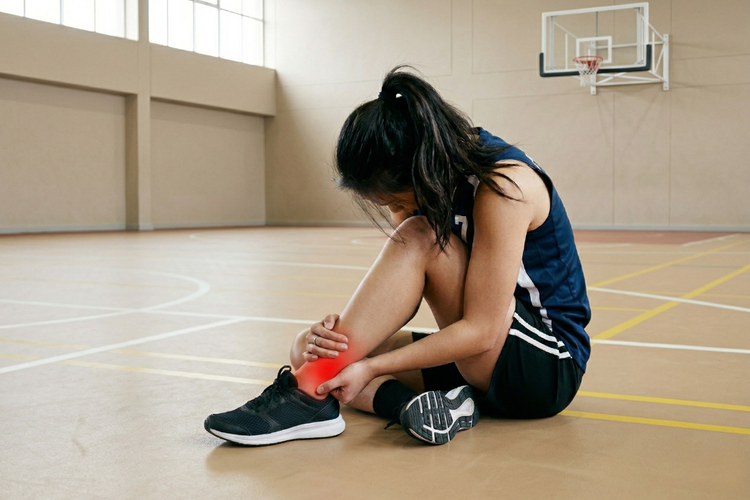
Several factors increase the likelihood of injury:
- Training too hard or too often without adequate rest, putting cumulative stress on tissues that have not had time to recover
- Weakness or imbalance in key muscle groups, leaving joints without proper support
- Poor technique that shifts load onto the wrong muscles and joints
- Environmental factors such as unsuitable footwear, hard playing surfaces and hot or humid conditions
Most sports injuries are not random. They follow predictable patterns that can be addressed with the right preparation and awareness.
Common Sports Injuries
The most common sports injuries affect the muscles, tendons, ligaments and bones of the lower limbs, though the shoulders, back and wrists are also frequently involved.
| Injury | What It Is | Commonly Seen In |
|---|---|---|
| Sprains | Stretched or torn ligaments, most commonly in the ankle and knee. | Basketball, football, trail running, volleyball |
| Muscle strains | Overstretched or torn muscle fibres, often affecting the hamstrings, calves and groin. | Sprinting, football, rugby, badminton |
| Knee injuries | Damage to structures such as the ACL, meniscus or patellar tendon. | Football, basketball, skiing, netball |
| Lower back strain | Injury to the muscles or ligaments of the lumbar spine. | Weightlifting, golf, rowing, cricket |
| Achilles tendinopathy | Overuse-related pain and degeneration of the Achilles tendon. | Running, basketball, tennis, dancing |
| Plantar fasciitis | Inflammation of the tissue under the heel, causing sharp pain with weight-bearing. | Running, hiking, basketball, dancing |
| Rotator cuff injuries | Tears or irritation of the shoulder muscles and tendons. | Swimming, tennis, cricket, volleyball |
| Stress fractures | Small cracks in bone caused by repetitive impact. | Long-distance running, gymnastics, basketball |
Minor sprains and strains often recover with rest, while injuries such as ACL tears or stress fractures may require longer rehabilitation or medical intervention.
 Dealing with a persistent niggle or recurring sports injury? Consult our sports medicine doctor to
identify the underlying cause and guide you on the right treatment and prevention approach. Book
your appointment today.
Dealing with a persistent niggle or recurring sports injury? Consult our sports medicine doctor to
identify the underlying cause and guide you on the right treatment and prevention approach. Book
your appointment today.
Tips to Prevent Sports Injuries
Preventing sports injuries comes down to preparing your body properly, training sensibly and responding to early warning signs before they develop into something more serious. The strategies below apply whether you play team sports, run, swim or train at the gym.
1. Warm Up Before and Cool Down After Exercise
A proper warm-up raises your body temperature, increases blood flow to muscles and
prepares joints for movement. This makes tissues more flexible and resilient,
which may help reduce
the risk of strains and sprains during activity.
Tip: Spend 10 to 15 minutes on light aerobic movement followed by dynamic
stretches that mirror the activity you are about to do, such as leg swings and lunges before
running, or arm circles and band pull-aparts before an upper-body session.
Save static stretching (holding a position for 20 to 30 seconds) for the cool-down, when it
helps restore muscle length and reduce post-exercise stiffness.
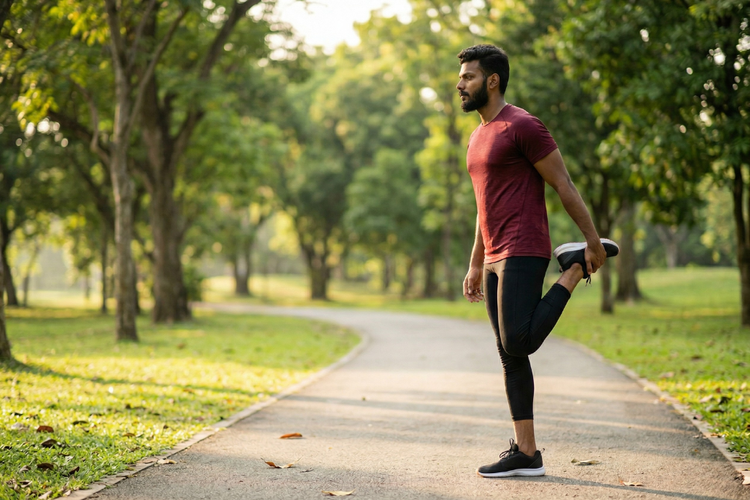
Skipping the warm-up or cool-down might save a few minutes, but it means missing out on the performance and readiness benefits that help your body handle the demands of training.
2. Increase Training Load Gradually
Sudden spikes in training volume or intensity are one of the most common causes of overuse injuries. When
muscles, tendons and bones are exposed to more stress than they are adapted to, they break
down faster than they can repair.
Tip: Increase your weekly training load (distance, duration or weight) by no more than 10 percent each week. This
gives tissues time to adapt and grow stronger without being overwhelmed.
This applies when returning from a break as well. If you have taken time off due to illness, travel
or a previous injury, resume at a reduced level and build back gradually rather than picking up
where you left off.
3. Use Proper Technique and Form
Poor movement patterns place unnecessary stress on joints, muscles and tendons,
increasing injury risk even at moderate training loads. This is true across all sports, from running
gait to lifting technique to how you land after a jump.
Common technique-related issues include:
- Knee collapse during squats or lunges, which places extra load on the knee ligaments and can contribute to ACL injuries or patellofemoral pain.
- Overstriding while running, which increases impact forces through the shin and knee with each step.
- Excessive or uncontrolled spinal rounding during heavy lifting, which may increase load on the lumbar spine, particularly under fatigue or with loads beyond what the lifter is conditioned for. Over time, this can contribute to muscle strain and disc injuries.
Tip: If you are unsure about your form, work with a coach or physiotherapist for a few sessions to identify and correct movement faults before they lead to injury.
4. Strengthen Supporting Muscles
Strength training is one of the most evidence-based methods for reducing sports injury risk. Stronger muscles absorb more force during activity, which reduces the load placed on tendons, ligaments and joints.
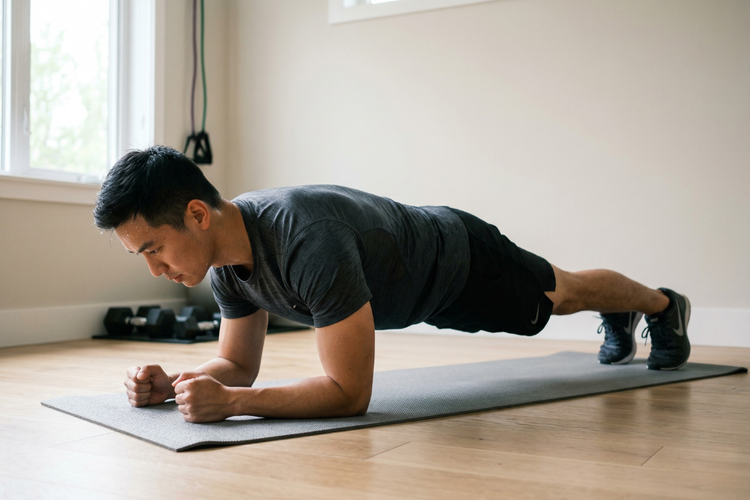
Focus on the muscle groups that support your sport:
- Quadriceps, hamstrings and glutes, which protect the knee and hip joints during running, jumping and change-of-direction movements.
- Core muscles, which stabilise the trunk and spine during nearly all athletic movements, helping prevent lower back strain.
- Calf muscles, which support the Achilles tendon and absorb impact during running and jumping.
- Rotator cuff and scapular muscles, which stabilise the shoulder joint during throwing, swimming and overhead activities.
Tip: Aim for two to three strength sessions per week as a general guide, though the ideal frequency will depend on your sport and personal injury history. Focus on the muscles used in your sport and any areas where you have a known imbalance or previous issue.
5. Wear Appropriate Gear and Footwear
The right equipment reduces unnecessary stress on the body and helps protect vulnerable
areas during activity. Footwear is the most important consideration for most sports.
Shoes that are worn out, poorly fitted or designed for a different activity can contribute to foot,
ankle, knee and hip problems.
Tip: Replace sports shoes when the cushioning feels noticeably worn or compressed,
rather than waiting until they fall apart.
If you play sports on different surfaces, use footwear designed for that surface: court shoes for
indoor sports, studded boots for grass and trail shoes for uneven terrain.
Protective gear such as shin guards, mouthguards and helmets should be worn where recommended for
your sport. Protective eyewear is also worth considering for racquet sports such as squash and
badminton, where a fast-moving ball or shuttle can strike the eye at close range.
If you do take a knock to the eye and notice pain, blurred vision or sensitivity to light, have it
assessed by an eye specialist rather than waiting for it to settle. A hard blow can also damage
the lens and lead to a cataract, occasionally months or years later. If it starts to blur your
vision, cataract surgery may be needed.
Compression garments and supportive braces may also be useful for athletes returning
from injury or managing a recurring issue.
6. Rest and Recover Between Sessions
Recovery is when the body repairs tissue damage and adapts to become stronger,
making it just as important as the training itself. Without adequate rest, accumulated fatigue
increases the risk of both overuse injuries and acute injuries caused by poor coordination or
reaction time.
Tip: Allow at least one to two full rest days per week depending on training
intensity, and avoid loading the same muscle groups on consecutive days. Active recovery such as
light walking, swimming or gentle stretching on rest days can help maintain mobility and promote
blood flow without adding training stress.
Sleep is when the majority of
tissue repair occurs, so aim for 7 to 9 hours per night. Staying well hydrated and well
nourished also supports recovery, as adequate protein, carbohydrates and fluids help repair muscle
tissue and replenish energy stores.
7. Recognise and Respond to Early Warning Signs
Most overuse injuries develop gradually, starting with minor discomfort that worsens over
time if ignored. Learning to distinguish normal post-exercise soreness from early injury
signals can prevent a small issue from becoming a serious problem.
Tip: Pay attention to pain that increases during or after exercise rather
than settling, discomfort that persists for more than 48 hours after activity, swelling,
stiffness or reduced range of motion in a joint, and sharp or localised pain during specific
movements.
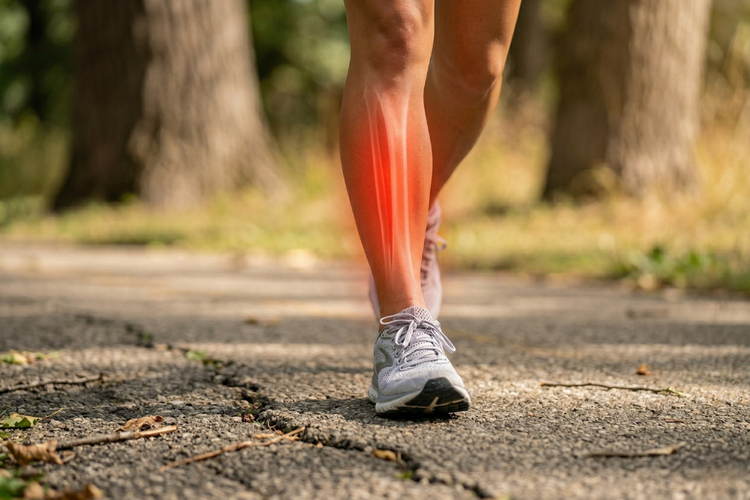
Pain that changes the way you move, such as limping or favouring one side, is a particularly clear
signal to stop and reassess.
If any of these signs appear, reduce your training load and address the issue early. Continuing to
train through pain often leads to longer recovery times and more complex injuries.
When to See a Doctor for a Sports Injury
Most minor muscle soreness and mild strains improve with rest and modified activity within a few
days. However, some injuries require professional assessment to prevent further damage and
guide appropriate treatment.
You should consult a doctor if you experience:
- Pain or swelling that does not improve after 48 to 72 hours of rest
- Recurring pain in the same area despite rest
- Inability to bear weight on a limb or joint instability
- Numbness, tingling or loss of strength in the affected area
- A visible deformity, significant bruising or a popping sensation at the time of injury
Early assessment helps identify the likely cause and guides a treatment plan tailored to the type and severity of injury. Depending on the issue, this may include physiotherapy, medication, imaging or referral for further management.
Many sports injuries can be reduced with the right preparation: warming up properly, building strength gradually and listening to your body. When injuries do happen, addressing them early gives the best chance of a full recovery.
Dr Foo Gen Lin
Find a Sports Doctor in Singapore
Apex Novena
Why Do Patients Choose Apex Sports Clinic?
Sports Doctor in Singapore: Personalised & Affordable Care
One-Stop Sports Clinic
We provide comprehensive care in one clinic, from consultation, imaging, and injections through to physiotherapy, sports massage, and surgery when needed.
Keyhole Surgery Expertise
We specialise in arthroscopic keyhole surgery to treat sports injuries with precision and minimal tissue disruption, supporting faster recovery and restored joint function.
Specialist in Sports Injury Management
We combine evidence-based injury management with a proactive approach to maintaining your body's strength and function, so you can recover fully and perform at your peak.
Patient Journey
1 . Schedule Your Appointment

2 . Expert Diagnosis & Consultation

3 . Customised Treatment Plan

Schedule an Appointment

Our Insurance Partners




Frequently Asked Questions (FAQs)
The most common cause of sports injuries is training load errors, particularly sudden increases in volume or intensity that exceed what the body is prepared for. Other frequent contributors include muscle weakness or imbalance, poor technique and inadequate recovery between sessions. These factors often overlap rather than act alone, meaning most sports injuries result from a combination of issues rather than a single cause.
You can reduce the risk of gym injuries by warming up before each session, using proper form during exercises and increasing weights or volume gradually. Strengthening supporting muscle groups, particularly the core, helps protect joints under load. Avoid training the same muscle groups on consecutive days and pay attention to early warning signs such as persistent soreness or sharp pain during movements. If you are unsure about your technique, working with a qualified coach or physiotherapist can help.
Overuse injuries are best prevented by managing training load carefully and allowing adequate recovery between sessions. A common guideline is to increase weekly training volume by no more than 10 percent at a time. Building strength in the muscles that support your sport, varying your training focus across the week and prioritising sleep and nutrition all help tissues adapt rather than break down. If discomfort persists beyond 48 hours after activity, it is advisable to reduce your load and reassess before continuing.
You should consult a doctor if you experience pain or swelling that does not improve after 48 to 72 hours of rest, inability to bear weight on a limb, joint instability, numbness or tingling, or a popping sensation at the time of injury. Recurring pain in the same area despite rest is also a sign that professional assessment is needed. Early evaluation helps guide appropriate treatment and can prevent a minor issue from becoming more complex.
Recovery time depends on the type and severity of the sports injury. Minor muscle soreness or mild strains may improve within a few days with rest and modified activity, while ligament injuries, stress fractures or tendon problems can require weeks to months of rehabilitation. Returning too early is a common cause of re-injury, so it is best to consult a sports medicine doctor or physiotherapist who can assess your readiness and guide a gradual return to full training.
Contact sports such as football, rugby and basketball consistently report among the highest injury rates due to the combination of collisions, rapid direction changes and high-intensity movements. Sports involving repetitive impact, such as long-distance running, also carry significant overuse injury risk. However, injury rates vary depending on factors like training level, playing surface and whether adequate prevention strategies are in place, so the specific sport matters less than how well the athlete is prepared for its demands.
While there is no single definitive set of six rules, widely accepted principles for preventing sports injuries include warming up before activity, increasing training load gradually, using proper technique, strengthening supporting muscles, wearing appropriate gear and allowing adequate rest between sessions. These strategies work together to prepare the body for physical demands and reduce the likelihood of both acute and overuse injuries. The ideal approach will vary depending on your sport, fitness level and injury history.
Five common causes of sports injuries are sudden increases in training load, muscle weakness or imbalance, poor technique or movement patterns, inadequate recovery between sessions, and environmental factors such as unsuitable footwear or playing surfaces. These causes frequently overlap. For example, training through fatigue with poor form and insufficient rest creates compounding risk. Understanding which factors apply to your situation is an important step toward reducing your likelihood of injury.
Among the most frequently reported sports injuries are ankle sprains, muscle strains (particularly in the hamstrings, calves and groin), knee ligament injuries such as ACL tears, meniscus tears, Achilles tendinopathy, plantar fasciitis, rotator cuff injuries, lower back strain, stress fractures and patellofemoral pain syndrome. These affect athletes across a wide range of sports and fitness levels. Some resolve with rest and modified activity, while others may require professional assessment, rehabilitation or medical intervention depending on severity.
You can reduce the risk of exercise-related injury by warming up with dynamic movements before activity, progressing training load gradually and using proper form throughout each exercise. Strengthening the muscles that support your joints, allowing adequate recovery between sessions and responding early to pain or discomfort are equally important. Wearing appropriate footwear and staying well hydrated and nourished also contribute to injury prevention. If you are new to exercise or returning after a break, starting at a reduced level and building up slowly is advisable.
Contact sports such as rugby, football and basketball are consistently associated with higher injury rates due to collisions, rapid direction changes and high-impact landings. Combat sports and skiing also carry elevated risk. However, the likelihood of injury depends as much on preparation as the sport itself. Factors such as fitness level, training load management, technique and recovery habits all influence individual risk, so even lower-impact activities can lead to injury if these are neglected.
No single diet guarantees injury prevention, but adequate nutrition supports tissue repair, energy availability and overall resilience. A balanced diet that includes sufficient protein for muscle recovery, carbohydrates for energy replenishment and healthy fats for joint and tissue health provides a strong foundation. Staying well hydrated before, during and after activity is also important. Calcium and vitamin D support bone health, which may help reduce stress fracture risk. If you have specific dietary concerns, consulting a sports dietitian is advisable.
Sports injuries cannot be entirely eliminated, but their frequency and severity can be significantly reduced with the right approach. Key strategies include warming up before activity, progressing training loads gradually, strengthening supporting muscles, maintaining proper technique, wearing appropriate gear, prioritising rest and recovery, and responding early to warning signs such as persistent pain or swelling. Consistency with these habits over time is more protective than any single measure on its own.