
Ski Knee Injury: Causes, Symptoms, and Treatment Options
Information reviewed by: Dr Foo Gen Lin | Last updated:
Ski knee injuries can affect the ligaments, meniscus, or other knee structures. Dr Foo provides thorough assessment and personalised treatment to help you recover and return to the slopes.

MBBS (University of London) | MMed (Ortho) | FRCSEd (Ortho) | FAMS (Ortho)

What Is a Ski Knee Injury?
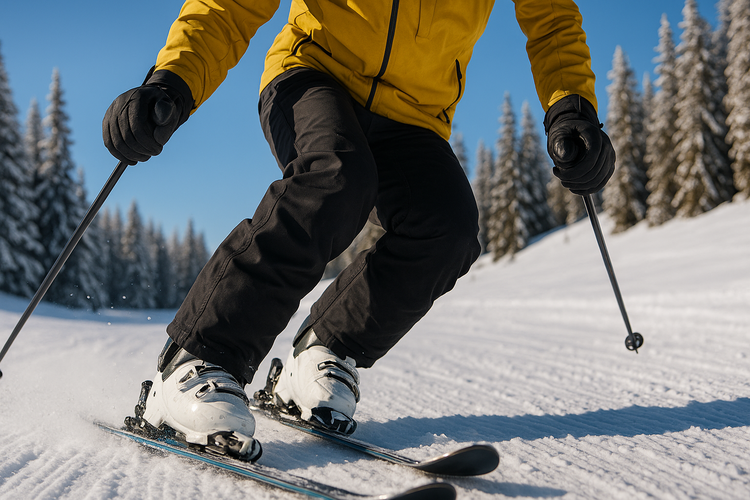
A ski knee injury can occur when the ligaments, meniscus, tendons, or bone
structures of the knee are damaged during skiing.
These injuries often develop when the knee twists, bends, or absorbs force beyond
its normal range, particularly during falls, sudden direction changes, or
awkward landings.
Although any skier may experience a knee injury, the risk increases when fatigue, reduced
strength, or poor technique affects stability and control on the slopes.
What Are the Most Common Types of Ski Knee Injuries?
The most common types of ski knee injuries involve the medial collateral ligament, anterior cruciate ligament, and meniscus because these structures help stabilise the knee against twisting and side-loading forces during skiing.
Medial Collateral Ligament (MCL) Injury
What it is: An MCL injury is a stretch
or tear of the medial collateral ligament, which is the band of tissue on the inner knee that
connects the thigh bone to the shin bone and prevents the knee from bending inward.
How it happens: An MCL injury often occurs when the knee collapses inward during
the snowplough position, low-speed falls, or loss of balance.
Symptoms: Inner-knee pain, swelling, tenderness along the ligament, and difficulty
bearing weight comfortably.
Anterior Cruciate Ligament (ACL) Injury
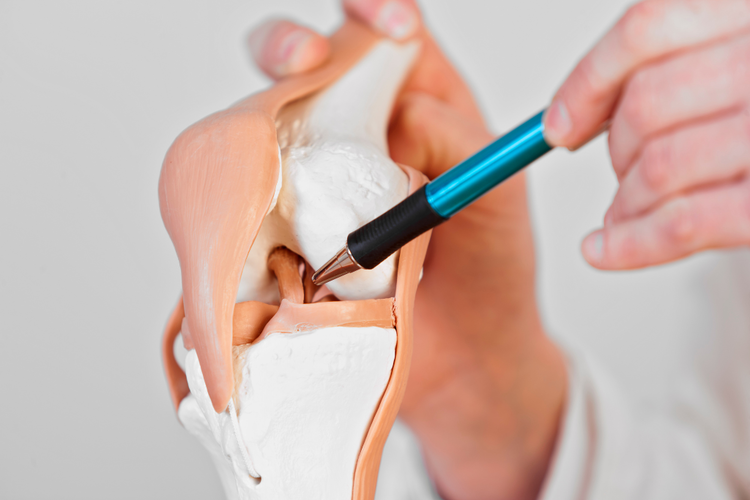
What it is: An ACL
injury is tearing of the anterior cruciate ligament, which is the central ligament
inside the knee that links the thigh bone to the shin bone and prevents excessive forward
movement and rotation of the shin bone.
How it happens: An ACL injury typically happens during sudden
twisting, abrupt deceleration, catching an edge, or landing off-balance.
Symptoms: Popping sensation at the time of injury, rapid swelling, knee
instability, and difficulty continuing activity.
Meniscus Tear
What it is: A meniscus
tear is damage to the meniscus, which is the C-shaped cartilage between the thigh and shin
bones that cushions the joint and supports smooth turning and bending movements.
How it happens: A meniscus tear usually occurs when the knee rotates while the foot
remains planted, especially during turning, slipping, or recovering from a fall.
Symptoms: Joint line pain, clicking, catching, locking, or difficulty fully
straightening or bending the knee.
Less Common Ski-Related Knee Injuries
Less common knee injuries from skiing include posterior cruciate ligament (PCL) sprains, lateral collateral ligament (LCL) injuries, patellar dislocation, and tibial
plateau fractures.
These injuries can occur during high-impact falls, collisions, or sudden forceful loading of the
knee.
If present, symptoms may include significant swelling, visible deformity, bruising, or an inability
to bear weight.
What Are the Risk Factors for a Ski Knee Injury?
Several factors can increase your susceptibility to a ski knee injury by reducing knee
stability, affecting control on the slopes, or limiting your ability to respond to sudden
changes in terrain or movement.
Risk factors that may increase the likelihood of a ski knee injury include:
- Fatigue, which commonly reduces coordination, balance, and reaction time as the day progresses.
- Poor or inconsistent technique, which may lead to inefficient turning, unstable knee alignment, or difficulty controlling speed.
- Reduced leg and core strength, which limits the knee's ability to maintain stability during turns and landings.
- Infrequent ski experience, which reduces familiarity with skiing movements and the physical demands placed on the knee.
- Challenging terrain or snow conditions, such as icy or uneven surfaces that increase slips and sudden loss of control.
- Improperly adjusted bindings or ill-fitting equipment, which may affect knee alignment or fail to release during a fall.
- Attempting slopes or speeds that exceed one's current skill level, which is often related to confidence, risk-taking, or peer influence rather than ski frequency alone.
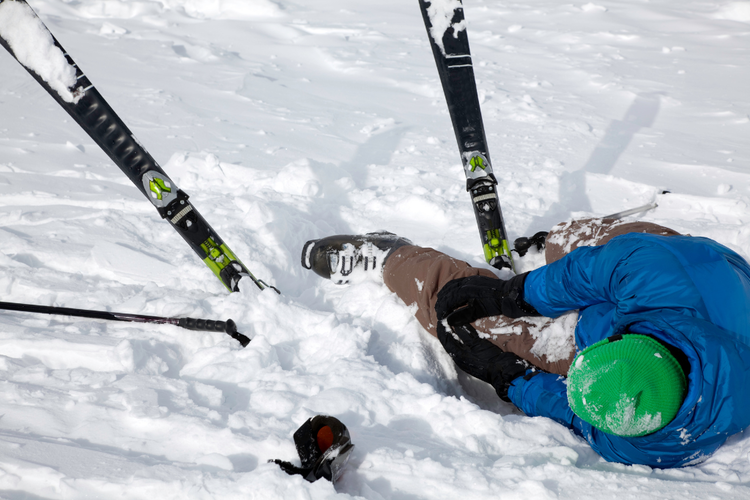
What Should You Do Immediately After a Ski Knee Injury?
You should protect the knee, limit further strain, and manage swelling immediately
after a ski knee injury. Start by stopping activity as soon as you feel significant pain,
instability, or swelling, as continuing to ski may worsen the injury.
Early steps that may help include:
- Resting the leg to avoid placing additional stress on the injured structures.
- Applying ice at regular intervals to help reduce swelling and discomfort.
- Using compression, such as a soft bandage or elastic wrap, to support the knee.
- Elevating the leg above heart level when possible to help control swelling.
You should avoid skiing for the rest of the day and refrain from movements that cause sharp pain or a sense of the knee giving way. Over-the-counter pain medication may be used if you tolerate it well.
When Should You See a Doctor for a Ski Knee Injury?
You should consider seeing a doctor if pain, swelling, or stiffness does not
improve after a short period of rest, icing, and activity modification, or if the knee
continues to feel unstable during everyday movements. These signs may suggest a
soft-tissue injury that requires further assessment.
Certain situations may warrant earlier or more urgent medical attention, such as:
- Hearing a pop at the time of injury
- Rapid swelling developing within the first few hours
- Difficulty bearing weight or feeling the knee give way
- A marked reduction in bending or straightening the knee
 Still experiencing knee pain or discomfort after skiing? Our knee specialists can help review
your symptoms and recommend appropriate treatment options to support a smooth return to the
slopes.
Still experiencing knee pain or discomfort after skiing? Our knee specialists can help review
your symptoms and recommend appropriate treatment options to support a smooth return to the
slopes.
How Are Ski Knee Injuries Diagnosed?
Ski knee injuries are diagnosed using information from the injury event, assessment of knee function, and imaging to evaluate the internal structures of the joint.
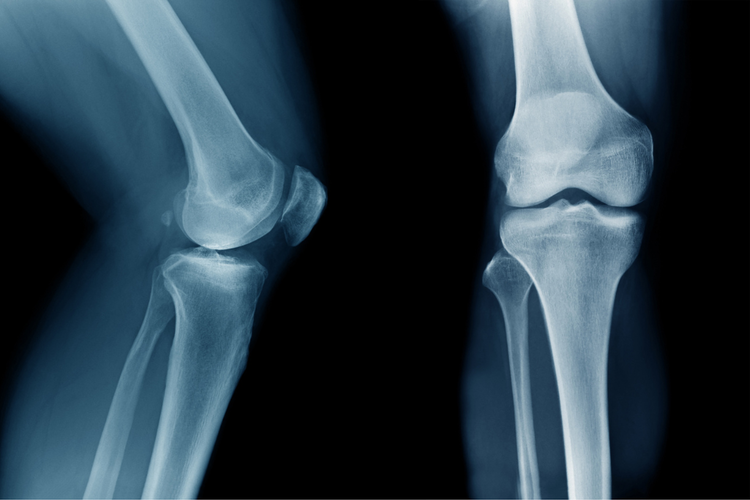
Assessment steps may include:
- Reviewing the mechanism of injury, such as twisting, landing awkwardly, or catching an edge.
- Evaluating symptoms, including swelling, instability, or difficulty bending or straightening the knee.
- Performing clinical tests to assess ligament stability and identify possible meniscus involvement.
Imaging may be useful when further clarification is needed:
- X-rays can help exclude fractures or assess bone alignment.
- MRI provides detailed evaluation of ligaments, cartilage, and other soft tissues.
How Are Ski Knee Injuries Treated?
Ski knee injuries can be managed through conservative care, specialised treatments, or surgical options depending on the structures involved and the severity of the injury.
Conservative Treatment
Many mild to moderate injuries may improve with:
- Activity modification and temporary rest to reduce strain on the knee
- Ice and compression to help manage swelling
- Short-term use of oral anti-inflammatory medication when appropriate
- Bracing to support the knee during movement
- Physiotherapy to restore strength, balance, and movement control
Image-Guided Injections
Image-guided injections, such as corticosteroid or hyaluronic
acid injections, may be considered to reduce inflammation or improve short-term joint
comfort when pain or swelling limits rehabilitation.
Platelet-rich
plasma (PRP) injections may also be an option in selected cases to support tissue healing,
depending on the nature of the injury and individual clinical needs.
Surgical Management
Surgery may be considered for more severe injuries such as complete ACL tears, large meniscus tears, or fractures that affect joint stability. Decisions regarding surgery typically take into account imaging findings, how the injury affects movement and daily activities, and individual recovery goals.
How Long Does Recovery From a Ski Knee Injury Take?
Recovery timelines for ski knee injuries vary widely depending on the severity of the injury.
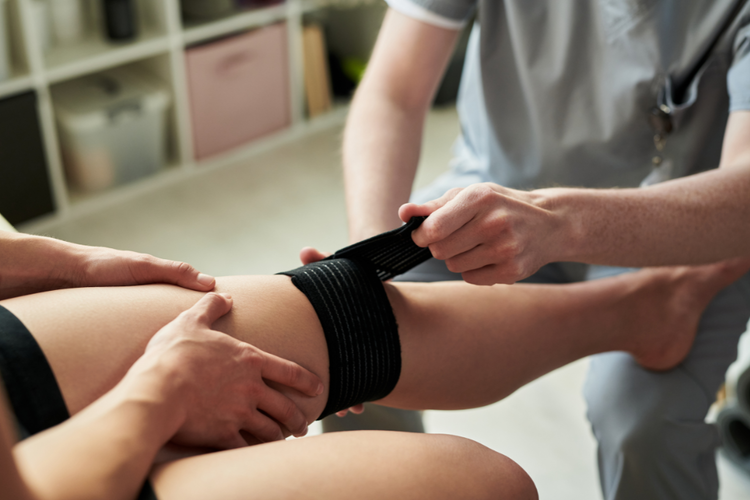
Minor injuries such as mild MCL sprains may recover within 2 to 6 weeks, while more significant injuries such as ACL tears or larger meniscus tears often require several months of structured rehabilitation, particularly when surgery is involved.
When Can You Return to Skiing After a Knee Injury?
You can most likely return to skiing when pain has settled, strength has been restored, and the knee demonstrates stable movement during sport-specific tasks. Your physiotherapist, sports doctor, or knee specialist may assess your balance, strength symmetry, and functional performance before advising a return to skiing.
How Can You Prevent Ski Knee Injuries?
You can reduce the risk of ski knee injuries by preparing physically, maintaining good technique,
and ensuring your equipment is properly fitted and adjusted.
Several strategies may help reduce your risk:
- Building strength in the quadriceps, hamstrings, gluteal muscles, and core before your trip, as stronger muscles provide better knee support
- Improving balance and agility to enhance control during turns and recoveries
- Taking lessons to refresh technique, particularly if you ski infrequently
- Warming up before skiing and taking regular breaks to minimise fatigue
- Checking that bindings are correctly set and ensuring skis are well maintained
- Staying within your skill level and adjusting your approach when conditions are icy or visibility is poor
- Avoiding alcohol while skiing, as it can impair judgment and coordination
Skiing places unique stresses on the knee that can lead to ligament or meniscus injuries. We assess each injury carefully and recommend treatment based on the specific structures involved.
Dr Foo Gen Lin
Find a Knee Specialist Near Me
Apex Novena
Why Do Patients Choose Apex Sports Clinic?
Sports Doctor in Singapore: Personalised & Affordable Care
One-Stop Sports Clinic
We provide comprehensive care in one clinic, from consultation, imaging, and injections through to physiotherapy, sports massage, and surgery when needed.
Keyhole Surgery Expertise
We specialise in arthroscopic keyhole surgery to treat sports injuries with precision and minimal tissue disruption, supporting faster recovery and restored joint function.
Specialist in Sports Injury Management
We combine evidence-based injury management with a proactive approach to maintaining your body's strength and function, so you can recover fully and perform at your peak.
Patient Journey
1 . Schedule Your Appointment

2 . Expert Diagnosis & Consultation

3 . Customised Treatment Plan

Schedule an Appointment

Our Insurance Partners




Frequently Asked Questions (FAQs)
Skiing can place considerable load on the knees, and injury may occur when twisting forces or sudden falls stress the ligaments, cartilage, or surrounding soft tissues. These risks increase with fatigue, reduced strength, or challenging snow conditions, although many injuries can be minimised through proper technique, well-fitted equipment, and adequate conditioning.
A ski knee injury may take anywhere from a few weeks to several months to heal, depending on the structures involved and the severity of the damage. Mild MCL sprains often recover within two to six weeks, whereas injuries such as ACL tears or significant meniscus tears usually require a longer rehabilitation period and, in some cases, surgical management.
A knee strain from skiing may improve within a few days to several weeks, depending on how much the muscle or tendon has been overstretched. Mild strains often settle quickly with rest and gradual return to activity, while more pronounced strains may require a longer recovery period supported by physiotherapy to restore strength and movement.
The most common ski knee injury is an MCL sprain, which occurs when the ligament on the inner knee is overstretched during inward knee collapse, often seen in the snowplough position. ACL injuries and meniscus tears are also frequent, particularly during falls, abrupt stops, or twisting movements on the slopes.
A ski knee injury may be more serious if there is rapid swelling, difficulty bearing weight, a popping sensation at the time of injury, or an inability to bend or straighten the knee fully. These signs may suggest ligament damage or a meniscus tear. If symptoms are significant or worsening, it is advisable to seek prompt evaluation from a knee specialist.
A knee sprain from skiing usually causes localised pain and mild swelling, while a tear often leads to more pronounced swelling, instability, or difficulty moving the knee. Sprains involve overstretched ligaments, whereas tears involve more significant damage that may produce a popping sensation at the time of injury. If symptoms are severe or worsening, it is advisable to seek evaluation from a doctor or knee specialist.
Skiing can cause a meniscus tear, particularly when the knee twists while the foot remains fixed on the ski. This rotation can strain the meniscus, especially during turning, recovering from a slip, or landing awkwardly. Tears may produce joint line pain, clicking, or reduced ability to fully bend or straighten the knee. If you are experiencing such symptoms, it is advisable to seek evaluation from a knee specialist or sports doctor.
Sports that involve repeated load, impact, or twisting forces on the knee, such as running, basketball, football, and skiing, tend to place greater demand on the joint. The amount of stress varies with factors such as training habits, technique, strength, and playing conditions rather than the sport alone.
There is no single fastest way to heal a ski-related knee injury, as recovery depends on the tissue involved and the severity of damage. Mild strains or sprains may improve within a few weeks with rest, ice, compression, elevation, and gradual rehabilitation, while more significant injuries may require several months of structured recovery and, in some cases, surgical management.
Three common signs of a meniscus tear from skiing are joint line pain, clicking or catching during movement, and difficulty fully bending or straightening the knee. These symptoms may appear soon after the injury, particularly if twisting occurred. If you are experiencing these symptoms or suspect a tear, it is advisable to seek prompt evaluation.
Walking may be acceptable for a mild ski-related knee injury if it does not increase pain, swelling, or instability. Gentle movement can help maintain circulation, but excessive walking or pushing through discomfort may aggravate symptoms, particularly if a ligament or meniscus structure is involved. If walking becomes difficult, symptoms worsen, or you experience signs such as a popping sensation at the time of the injury, rapid swelling, or difficulty bending or straightening the knee, it is advisable to seek evaluation from a knee specialist.
Stretching a strained knee from skiing may help once early pain and swelling have settled, but stretching too soon can place additional stress on the injured tissues. Initial care usually focuses on rest, ice, and gentle movement, with stretching added gradually as comfort improves. If stretching causes pain or instability, or if symptoms worsen or persist, it is advisable to seek evaluation from a knee specialist or sports doctor.
A mild ski-related knee injury may heal on its own with rest, activity modification, and gradual return to movement, but more significant injuries such as ligament tears or meniscus damage are less likely to recover fully without targeted treatment. Healing varies depending on the structures involved and the severity of injury. If symptoms persist or worsen, it is advisable to seek evaluation from a knee specialist.
A torn ligament from skiing may cause sudden pain, rapid swelling, and a sensation of the knee giving way, often accompanied by difficulty bearing weight. Some people may also feel or hear a popping sound at the time of injury. If these symptoms occur, it is best to seek prompt medical assessment, as ligament injuries can vary in severity.
Knee pain from skiing may suggest a meniscus injury when symptoms include clicking, catching, or difficulty fully bending or straightening the knee, while ligament injuries more often cause instability, rapid swelling, or a giving-way sensation. Because these symptoms can overlap, distinguishing between them based on pain alone is challenging. If you are unsure or symptoms persist, it is advisable to seek a medical assessment to determine the diagnosis and guide appropriate treatment.