
Stretches Before and After Running: A Complete Guide
Information reviewed by: Dr Foo Gen Lin | Last updated:
Stretching before and after runs can help improve flexibility and reduce the risk of injury. If soreness or tightness persists, Dr Foo provides personalised assessment to guide your care.

MBBS (University of London) | MMed (Ortho) | FRCSEd (Ortho) | FAMS (Ortho)


Running is a simple and accessible way to stay active, but it places repeated stress on
your muscles and joints with every step.
Adding structured stretching before and after your runs can help your body move
more comfortably, support better performance, and ease the tightness that often builds
up over time.
Whether you are training for a marathon, building up your weekly mileage, or just starting
out, knowing when and how to stretch can make each run feel smoother and more manageable.
In this article, we will cover how stretching can help us warm up before a run and cool
down effectively afterwards.
Why Stretching Before and After Running Matters
Stretching before and after running offers meaningful benefits for comfort, mobility, and
overall running performance.
A warm-up helps prepare your muscles, joints, and cardiovascular system for movement, while
post-run stretching supports recovery and flexibility once the muscles are warm.
Stretching is one part of a broader sports injury prevention routine
that also includes strength work, progressive loading, and adequate recovery.
Some key benefits include:
Dynamic warm-up movements help your muscles contract and relax more efficiently, reducing the early-run stiffness that can make your first steps feel heavy or uncoordinated.
Activating areas such as the calves, hamstrings, and hip flexors helps reduce the early fatigue and tightness that can develop when these muscles start cold.
Warmed and primed muscles allow your hips, knees, and ankles to move through a fuller range, supporting more fluid running mechanics.
Adequate mobility helps distribute force more evenly, reducing unnecessary strain on the knees, ankles, or lower back, which is especially important during longer sessions or marathon training.
A warm-up that elevates heart rate and increases circulation can support smoother pacing, more responsive movement patterns, and improved running economy at the start of your session.
Stretching after your run helps your muscles return to their resting length and may reduce the intensity of delayed onset muscle soreness (DOMS) by easing post-exercise tightness and supporting gentle circulation.
A short dynamic warm-up before running and gentle static stretching afterwards help your body handle the demands of exercise more comfortably and consistently.
Different Types of Stretching: Why Does It Matter?
Dynamic Stretching
Dynamic stretching involves active, controlled movements that gradually increase your range of motion. These movements steadily raise your heart rate and warm your muscles, helping your body transition effectively before exercise.
Static Stretching
Static stretching involves holding a position for a sustained period to lengthen the muscle fibres and improve flexibility. This approach works best when your muscles are already warm and is generally used to support relaxation and recovery after exercise.
 If you're looking to understand how your mobility, flexibility, or stretching habits relate to
your running performance, our sports
doctors can provide clearer insight into how your body moves.
If you're looking to understand how your mobility, flexibility, or stretching habits relate to
your running performance, our sports
doctors can provide clearer insight into how your body moves.
Before Running: Recommended Dynamic Stretches
Dynamic stretches should mimic the movement patterns used during running and feel
light and energising rather than tiring.
Aim to perform these movements in a controlled and rhythmic manner for about 5 to 10
minutes before your run.

1. Leg Swings (Front to Back and Side to Side)
What it is: A dynamic movement that mobilises the hip flexors,
hamstrings, and adductors to prepare your legs and hips for running.
How to perform: Stand beside a wall for balance and swing one leg
forward and backward in a controlled motion, then repeat side to side to ease
stiffness around the hip joint.
2. Walking Lunges with Arm Reach
What it is: A flowing lunge sequence that activates the hips, quadriceps,
and core while improving hip mobility and stride readiness.
How to perform: Step forward into a lunge, reach both arms overhead, then
push off and step into the next lunge on the opposite leg as you walk forward.

3. High Knees
What it is: A jogging-style drill that raises your heart rate and
warms the calves, core, and hip flexors to prepare your body for quicker leg
turnover.
How to perform: Lift your knees toward hip height while maintaining
an upright posture, moving rhythmically as if jogging in place.
4. Butt Kicks
What it is: A dynamic drill that warms the hamstrings and encourages smooth
heel-to-glute movement to support efficient running mechanics.
How to perform: Jog in place and bring your heels up toward your buttocks
in a controlled manner, focusing on a relaxed rhythm.
5. Hip Circles
What it is: A gentle mobility exercise that loosens the hip joint and
improves pelvic control to reduce early-run stiffness.
How to perform: Stand upright, lift one knee, and move it in circular
motions in both directions before switching sides.
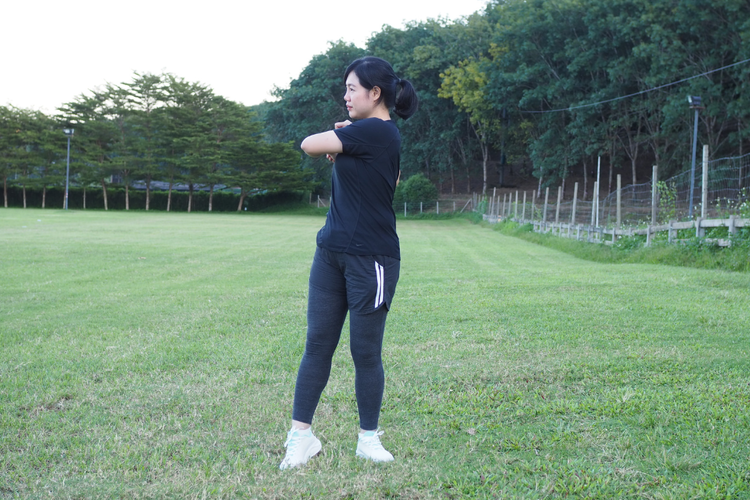
6. Torso Rotations
What it is: A rotational warm-up that mobilises the spine and
activates the core to support upright posture during your run.
How to perform: Stand with your feet shoulder-width apart and
rotate your torso side to side with smooth, controlled movement.
After Running: Recommended Static Stretches
Aim to perform these stretches while your body is still warm, holding each position for 20 to 30 seconds without bouncing.
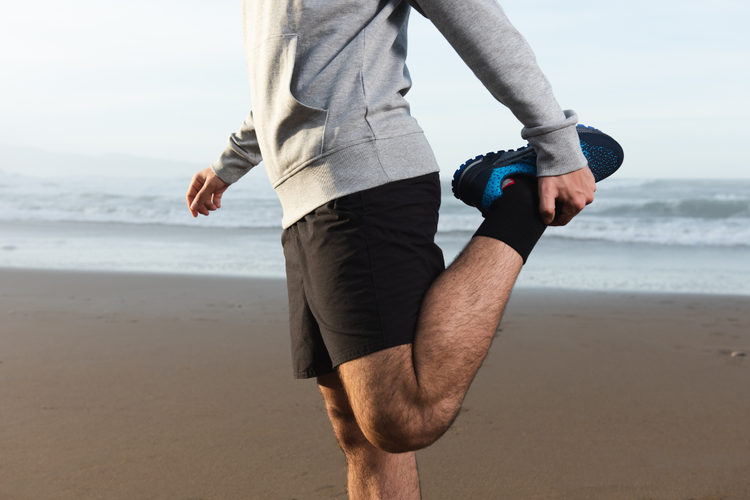
1. Quadriceps Stretch (Standing)
What it is: A static stretch that lengthens the front thigh muscles
to reduce tightness after running.
How to perform: Stand upright, bend one knee, and hold your ankle
behind you while keeping both knees aligned and your torso tall.
2. Hamstring Stretch (Seated or Standing)
What it is: A controlled stretch that targets the back of the thigh to
release post-run tension.
How to perform: Extend one leg and hinge forward from the hips with a
straight back until you feel a gentle pull along the hamstring.
3. Calf Stretch (Against a Wall or Kerb)
What it is: A lower-leg stretch that helps ease tightness in the calves
and Achilles region after running.
How to perform: Step one foot back, keep the heel firmly on the ground,
and lean into a wall or kerb to lengthen the calf muscles.
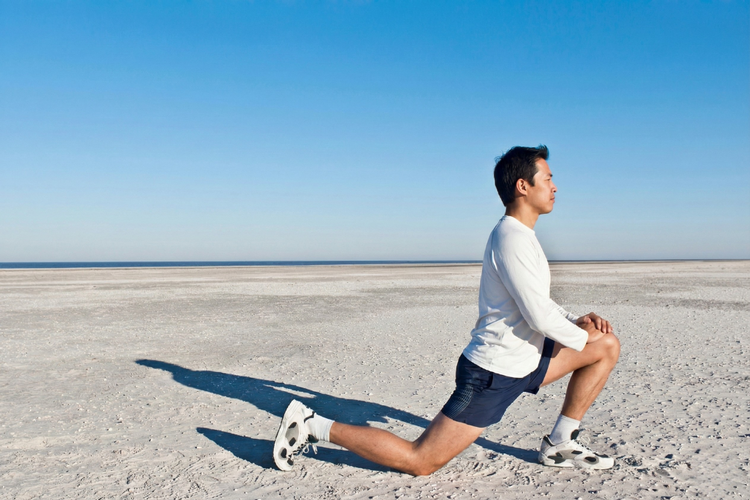
4. Hip Flexor Stretch
What it is: A lunge-based stretch that lengthens the front of the
hip, which often tightens during prolonged running.
How to perform: Step into a lunge, lower your back knee, and
gently shift your weight forward until you feel a stretch in the front of the hip.
5. Figure-Four Glute Stretch (Seated or Supine)
What it is: A targeted stretch for the glutes and piriformis to relieve
tightness around the hips.
How to perform: Cross one ankle over the opposite knee and gently pull the
supporting leg toward your chest until the hip area feels a comfortable stretch.
6. IT Band Stretch (Standing Cross-Leg Reach)
What it is: A stretch that targets the outer thigh and hip region,
including the iliotibial band.
How to perform: Cross one leg behind the other and lean sideways toward
the front leg to lengthen the outer hip and thigh muscles.

7. Chest and Shoulder Stretch
What it is: A posture-focused stretch that opens the chest and
relaxes the shoulders after running.
How to perform: Clasp your hands behind you or place your forearm
against a wall, then gently widen your chest while keeping your shoulders relaxed.
Breathe deeply during each stretch and avoid forcing the movement. If you feel pain, ease out of the position and reassess your alignment.
Additional Tips to Support Your Running Routine
- Listen to your body – Tightness or discomfort may indicate the need for more targeted stretching or additional rest.
- Hydrate and refuel – Adequate fluid intake and balanced nutrition are essential parts of post-run recovery and daily training.
- Stay consistent – Incorporate stretching into your regular running routine rather than using it only when discomfort appears.
- Consider other recovery tools – Foam rolling, massage therapy, and mobility exercises can complement your stretching routine and support greater flexibility.
Proper stretching is an important part of injury prevention for runners. If persistent pain develops despite stretching, we can help identify the underlying cause and recommend appropriate treatment.
Dr Foo Gen Lin
Find a Sports Doctor Near Me
Apex Novena
Why Do Patients Choose Apex Sports Clinic?
Sports Doctor in Singapore: Personalised & Affordable Care
One-Stop Sports Clinic
We provide comprehensive care in one clinic, from consultation, imaging, and injections through to physiotherapy, sports massage, and surgery when needed.
Keyhole Surgery Expertise
We specialise in arthroscopic keyhole surgery to treat sports injuries with precision and minimal tissue disruption, supporting faster recovery and restored joint function.
Specialist in Sports Injury Management
We combine evidence-based injury management with a proactive approach to maintaining your body's strength and function, so you can recover fully and perform at your peak.
Patient Journey
1 . Schedule Your Appointment

2 . Expert Diagnosis & Consultation

3 . Customised Treatment Plan

Schedule an Appointment

Our Insurance Partners




Frequently Asked Questions (FAQs)
You should stretch the major muscle groups involved in running, including the calves, hamstrings, hip flexors, quadriceps, glutes, and core. Dynamic movements such as leg swings, hip circles, and high knees help warm these areas, increase circulation, and prepare your joints for a smoother stride. These active stretches mimic running mechanics and support more comfortable movement once you begin your run.
The 80/20 rule suggests completing about 80% of your weekly running at an easy or conversational pace and the remaining 20% at moderate to higher intensity. This approach helps build aerobic endurance while reducing overall strain, allowing most runs to feel sustainable while still including harder efforts that support fitness gains and performance development over time.
You should warm up with light dynamic movements that gradually raise your heart rate and loosen the muscles you use for running. A short routine of leg swings, walking lunges, hip circles, high knees, and easy jogging helps activate key muscle groups and improve joint mobility, making your first steps feel less stiff and supporting more coordinated movement.
Warming up 30 minutes before running is possible, but the benefits may diminish if the gap is too long. A warm-up is most helpful when it leads directly into your run, so many runners begin within five to ten minutes of finishing their routine. If you need to wait longer, doing a short reactivation such as light jogging or a few dynamic movements can help you feel ready again.
Twenty minutes of stretching a day can be sufficient for general flexibility and mobility, especially when it includes movements targeting commonly tight areas such as the calves, hamstrings, hips, and lower back. The ideal duration depends on your goals, training load, and how your body responds, and many runners prefer shorter, more frequent sessions integrated into their warm-ups and cool-downs.
The 5-4-3-2-1 method is a pacing strategy where you run five minutes at an easy pace, four at a slightly faster pace, then progressively shorten the intervals while increasing intensity. It is often used as a warm-up or controlled progression run, helping runners ease into effort gradually and improve pacing awareness without suddenly jumping to a high-intensity workload.
Running 3km a day can be a manageable way to build cardiovascular fitness, support weight management, and develop running consistency. Its suitability depends on your training background, pace, and how well your body tolerates daily impact. Some people may benefit from rest days or varied training to reduce cumulative strain, especially if they experience persistent tightness or fatigue.
A pace of 7 km/h is generally considered a slow to moderate jogging speed, but its intensity varies between individuals. Newer runners may find it challenging, while experienced runners may use it as an easy recovery pace. Fitness level, terrain, and running goals all influence whether this speed feels comfortable or demanding.
You can run without stretching, but skipping a warm-up may lead to stiff early strides, reduced mobility, and quicker muscle tightness. Starting abruptly can also place more load on the joints and make your pacing feel less coordinated. Dynamic movements before running help increase circulation and prepare key muscle groups, so easing into activity generally supports smoother movement and a more comfortable start.
A warm-up for a 5K usually includes light jogging followed by dynamic drills such as leg swings, walking lunges, and high knees to raise heart rate and improve mobility. Dynamic stretching, which uses controlled movements to increase range of motion, is generally preferred before a 5K because it prepares the muscles for steady running without holding static positions.
Five useful warm-up exercises for running include leg swings, walking lunges with arm reach, high knees, butt kicks, and hip circles. These dynamic movements activate the major muscles used in running, raise heart rate gradually, and improve mobility so your stride feels smoother when you start your session.
The 10-10-10 rule refers to increasing elements of your training such as weekly mileage, your longest run, or total running time by about 10 percent at a time. The aim is to progress gradually and avoid sudden jumps in workload that may contribute to strain. The exact approach can differ among runners, and some may need to adjust the increments based on how your body responds.
Running without a warm-up can cause stiff, heavy strides because your muscles and joints have not been gradually prepared for movement. Starting abruptly may lead to quicker tightness in areas such as the calves, hamstrings, or hip flexors, reduced coordination in your stride, and a harder transition into your intended pace. Some people may also experience increased early fatigue or uneven loading on the joints during the first part of the run.
Stretching after a run can help your muscles relax, ease post-exercise tightness, and maintain flexibility once the tissues are warm. Many runners find that gentle static stretches support more comfortable recovery and reduce next-day stiffness, especially after longer or harder sessions.
Overstretching can cause sharp or sudden pain, muscle tightness that worsens rather than eases, or discomfort that persists after the stretch ends. Some people may also experience swelling, reduced strength, or difficulty using the muscle. If pain is severe or ongoing, it is advisable to seek medical evaluation.
After a long run, it can be helpful to cool down with light walking, hydrate, refuel with carbohydrates and protein, and perform gentle static stretches while your muscles remain warm. These steps support circulation and gradual recovery, especially when the run places extended strain on the legs.
After running, it is generally advisable to avoid stopping abruptly, skipping hydration, or holding intense static stretches while your muscles are still cold. Strenuous strength work or high-impact activity immediately after a long or hard run may also feel overly demanding, and lying down or sitting for too long right after finishing can make stiffness more noticeable as your body begins to cool down.
Jogging and stretching can be sequenced in different ways, but most warm-ups start with either light jogging or dynamic stretches to gradually increase circulation and prepare the muscles for movement. Dynamic stretching is often done before running, while static stretching is typically saved for after the run when the muscles are warm. The goal is to ease your body into activity and support more comfortable movement once you begin running.
Yes, holding a stretch for too long may lead to discomfort, reduced muscle responsiveness, or overstretching, particularly if the position is intense or performed on cold muscles. Most post-run static stretches are held for about 20 to 30 seconds, which is usually sufficient for flexibility without placing excessive strain on the tissues.
Overstretched muscles can heal, but recovery time depends on how much the tissue was strained and how it is managed afterwards. Mild overstretching may settle with rest, gradual mobility work, and progressive strengthening, while more substantial strains can lead to ongoing discomfort or reduced function. If symptoms persist or worsen, it is advisable to seek medical assessment to rule out a more significant injury.
You are likely stretching correctly if the movement feels like a gentle, controlled pull without sharp pain or joint discomfort. Proper stretching should allow you to hold the position while breathing comfortably, and the muscle should feel more relaxed afterwards rather than irritated. Adjusting intensity and avoiding forced movements can help ensure you stay within a comfortable range.
The healthiest post-run meals typically include a mix of carbohydrates to replenish energy and protein to support muscle repair. Examples include yoghurt with fruit, lean protein with rice or pasta, or a smoothie with both carbohydrate and protein sources. Hydration is also important, especially after longer or hotter runs.
You may have overstretched your hamstring if you feel a sharp or sudden pull during the stretch, followed by discomfort when bending forward or moving the leg. Persistent tightness that does not ease after cooling down can also indicate irritation rather than normal post-exercise stiffness. Swelling, bruising, or difficulty walking may suggest a strain.