
Understanding Post-Marathon Knee Pain and How to Manage It
Information reviewed by: Dr Foo Gen Lin | Last updated:
Knee pain after a marathon is common and can affect your running or daily movement. Dr Foo provides thorough assessment and tailored treatment to help you get back to running comfortably.

MBBS (University of London) | MMed (Ortho) | FRCSEd (Ortho) | FAMS (Ortho)

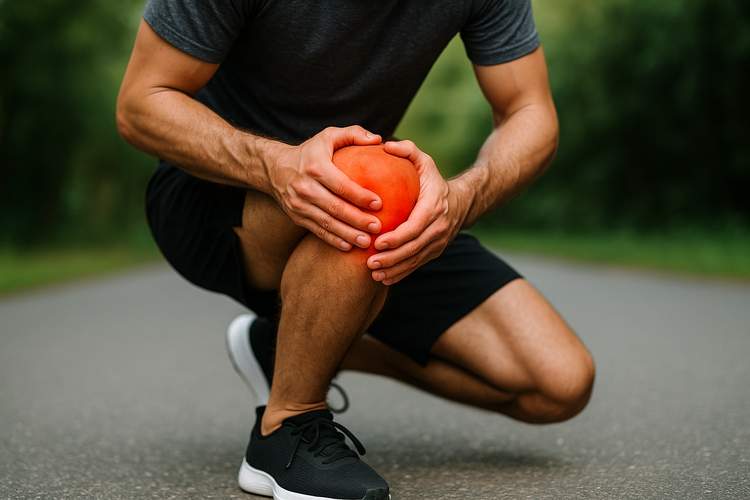
Completing a marathon is something to be proud of, and it reflects months of dedication,
discipline, and hard work.
Yet for many runners, the sense of accomplishment is quickly followed by knee pain that can
feel surprising or even worrying. Some discomfort is expected after such a demanding effort,
but more persistent pain may point to irritation of the muscles, tendons, or soft tissues
around the knee.
Understanding why your knees hurt, how long the discomfort should last, and what you can do
at home can make your recovery smoother and safer. In this article, we will go through the
common causes, symptoms, recovery timeline, and practical strategies to manage
post-marathon knee pain.
Is Post-Marathon Knee Pain Normal?
Post-marathon knee pain is relatively common because the distance challenges the muscles and soft
tissues around the knee, but the severity and pattern of your symptoms determine whether the pain
is considered typical or warrants concern.
Mild aching, stiffness, or generalised soreness within the first 48 hours often
relates to muscle fatigue and delayed-onset muscle soreness. However, sharp pain, swelling, or pain
that limits walking usually suggests a more specific structure is irritated.
Differentiating normal recovery discomfort from possible injury helps you respond appropriately and
avoid further strain.
What Can Cause Post-Marathon Knee Pain?
Post-marathon knee pain can occur due to a combination of overuse, biomechanical strain, muscle
fatigue, and irritation of specific knee structures during prolonged running.
Marathon distances place repeated load on the knee joint, and this cumulative stress may highlight
underlying strength imbalances, altered running form, or training errors. Common causes that contribute
to knee discomfort after long races include:
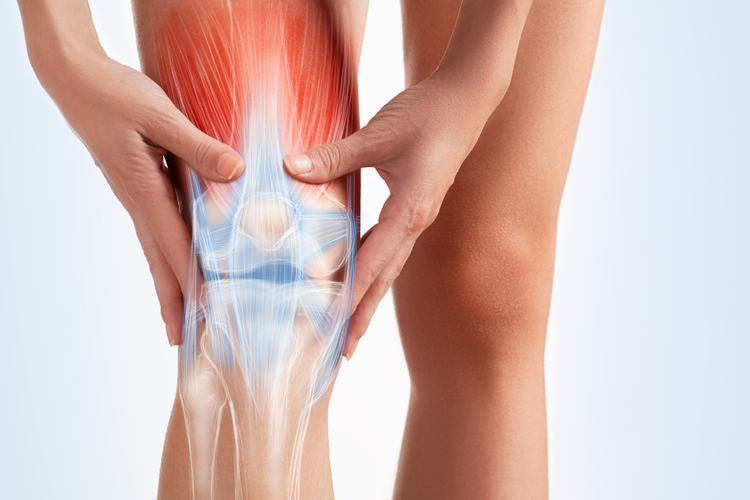
- Patellofemoral pain syndrome (runner's knee), where the cartilage behind the kneecap becomes irritated from repeated bending and load.
- Iliotibial band syndrome, where the IT band rubs against the outer knee, often linked to hip muscle weakness or running on sloped or uneven surfaces.
- Patellar tendinopathy, involving strain or overloading of the tendon connecting the kneecap to the shinbone.
- General muscle fatigue in the quadriceps, calves, and hips, which may temporarily alter lower-limb mechanics and increase strain on the knee.
- Meniscus irritation or overload, which may occur from repetitive twisting, sharp turns, or sudden changes in pace during the race.
These causes may overlap, and symptoms often reflect a combination of factors rather than a single issue.
What Risk Factors Can Contribute to Post-Marathon Knee Pain?
Several factors may increase your likelihood of developing post-marathon knee pain, including:
- Rapid increases in training distance or intensity.
- Fatigue-related changes in running form during the later stages of a marathon.
- Weak hip or core muscles that lead to altered running mechanics.
- Previous knee injuries that have not fully rehabilitated.
- Inadequate footwear or frequent running on uneven surfaces.
These factors can interact and increase overall load on the knee, making discomfort more likely after long-distance events.
How Post-Marathon Knee Pain Might Present
Post-marathon knee pain can present in several ways depending on the structure involved, and recognising these patterns helps you understand the likely cause. You may notice:
- Pain around or behind the kneecap, often linked to patellofemoral pain syndrome.
- Pain on the outer knee, which may point towards iliotibial band irritation.
- Pain below the kneecap, commonly associated with patellar tendinopathy.
- Pain on the inner or back of the knee, which may indicate meniscus irritation or soft tissue strain.
- Swelling, stiffness, or a sense of instability after long-distance running.
- Difficulty bending the knee fully, often felt when trying to squat, kneel, or straighten the leg after a long run.
- Discomfort when going down stairs, particularly when the knee is loaded in a bent position during each step.
How Long Does Post-Marathon Knee Pain Last?
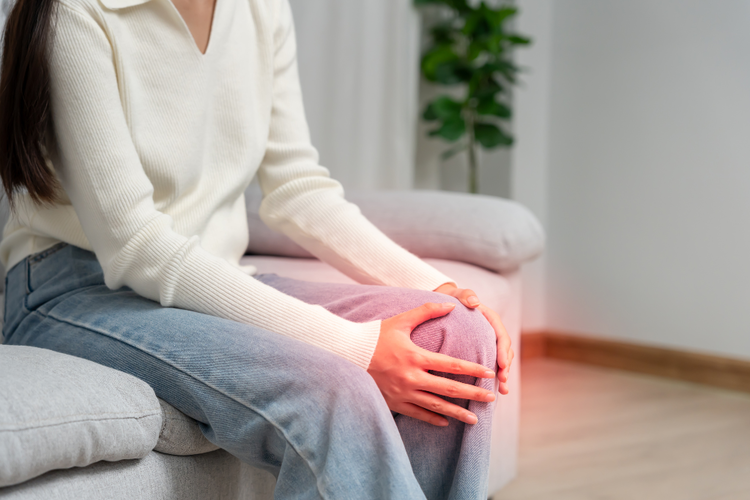
Post-marathon knee pain typically improves over a few days when it is related
to general muscle fatigue.
Symptoms involving irritated tendons, soft tissues, or joint structures may take two to
six weeks to settle depending on your load management and rehabilitation.
Recovery time varies with the specific cause of your symptoms, your training background, and
how quickly you adjust your activity level.
 Unsure whether your knee pain is taking too long to settle? Our sports medicine doctors can help you
understand what’s going on and what to do next. Book a
consultation today.
Unsure whether your knee pain is taking too long to settle? Our sports medicine doctors can help you
understand what’s going on and what to do next. Book a
consultation today.
When Can You Return to Running After Post-Marathon Knee Pain?
You can return to running once you can walk, climb stairs, and perform single-leg tasks
without pain, as these milestones indicate that your knee can tolerate gradual loading.
Starting with short, easy runs and increasing your mileage by small increments helps prevent
recurrence of symptoms.
If your pain returns during or after running, reducing your training load or revisiting rehabilitation
exercises can help you progress safely. Working with a sports medicine doctor or physiotherapist may
provide additional guidance if you are unsure how to resume training.
Managing Post-Marathon Knee Pain At Home
Managing post-marathon knee pain mainly involves reducing load on the irritated tissues, supporting healing, and gradually restoring strength and movement around the knee. You can begin with steps such as:
- Relative rest by reducing your running volume and avoiding activities that trigger pain.
- Ice therapy during the first 24 to 48 hours to manage swelling and discomfort. Cold-compression devices such as Cryocure may also help support early symptom relief.
- Gentle stretching of the quadriceps, calves, hamstrings, and hips to ease tightness.
- Light cross-training such as swimming or cycling, provided it does not aggravate your symptoms.
As your pain improves, progressing to strengthening exercises for the hips, quadriceps, and core helps
improve knee stability.
For more tips on easing post-race discomfort, explore our full guide to marathon
recovery.
When Should You Seek Medical Assessment?
You should see a sports doctor or knee
specialist when your post-marathon knee pain does not follow a typical recovery pattern or
presents with symptoms that suggest deeper tissue irritation.
Seek medical assessment if you notice:
- Difficulty bearing weight or walking without discomfort.
- Locking, catching, or giving way, which may indicate mechanical irritation inside the joint.
- Swelling around the knee that does not settle within the expected recovery period.
- Pain that worsens with activity or begins to limit daily movement.
- Pain that persists beyond a few days or does not improve with rest.
These signs may suggest a more significant injury that may require prompt assessment.
Preventing Post-Marathon Knee Pain in Future Races
You can prevent post-marathon knee pain by improving strength, movement control, and load management throughout your training cycle. Effective strategies include:
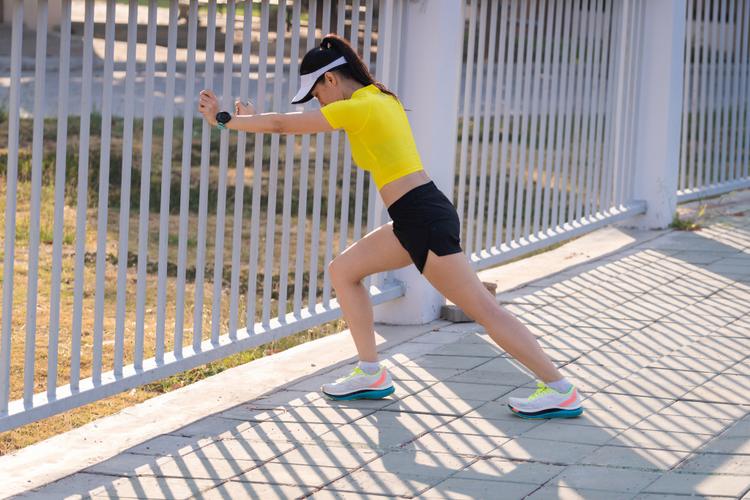
- Building hip and quadriceps strength to support knee alignment during long runs.
- Increasing your training volume gradually to avoid sudden spikes in load.
- Including cross-training and recovery days to reduce cumulative strain.
- Ensuring adequate sleep, hydration, and nutrition to support tissue recovery.
- Replacing worn footwear and selecting shoes that match your running style.
- Adding mobility exercises and warm-up routines to prepare your knees for longer distances.
Should You Use Bracing, Taping, or Supportive Gear?
Bracing and taping may provide short-term support for certain types of post-marathon
knee pain, particularly when symptoms arise from patellofemoral irritation or tendon overload.
These options can help you manage discomfort during daily activities or early rehabilitation, although
they should complement rather than replace strengthening and conditioning work.
Post-marathon knee pain often results from the repetitive stress of long-distance running. We help runners understand their injury and work towards a gradual return to training.
Dr Foo Gen Lin
Find a Knee Doctor and Specialist Near Me
Apex Novena
Why Do Patients Choose Apex Sports Clinic?
Sports Doctor in Singapore: Personalised & Affordable Care
One-Stop Sports Clinic
We provide comprehensive care in one clinic, from consultation, imaging, and injections through to physiotherapy, sports massage, and surgery when needed.
Keyhole Surgery Expertise
We specialise in arthroscopic keyhole surgery to treat sports injuries with precision and minimal tissue disruption, supporting faster recovery and restored joint function.
Specialist in Sports Injury Management
We combine evidence-based injury management with a proactive approach to maintaining your body's strength and function, so you can recover fully and perform at your peak.
Patient Journey
1 . Schedule Your Appointment

2 . Expert Diagnosis & Consultation

3 . Customised Treatment Plan

Schedule an Appointment

Our Insurance Partners




Frequently Asked Questions (FAQs)
Marathon runners do not generally end up with "bad knees," as long-distance running has not been shown to increase the risk of knee arthritis in most people. Knee pain after a marathon usually relates to temporary soft-tissue irritation or training factors rather than long-term damage. However, rapid mileage increases, previous knee injuries, muscle weakness, and inadequate footwear may raise the likelihood of developing persistent knee symptoms over time.
Knees often feel sore for one to two days after a marathon due to muscle fatigue, while discomfort related to irritated tendons or soft tissues may take longer to settle. Most runners improve within a few days, but pain that persists beyond this period may indicate overuse, and it is advisable to seek medical assessment if symptoms do not improve.
Runner's knee pain may improve when you reduce activities that trigger discomfort and work on strengthening the muscles that support the knee. Symptoms often settle over several weeks when the underlying irritation is addressed. If the pain worsens, limits movement, or persists despite early measures, it is advisable to seek medical review.
Runner's knee syndrome refers to patellofemoral pain, a condition where the tissues around or behind the kneecap become irritated during activities such as running or stair climbing. Symptoms commonly include pain at the front of the knee, discomfort when bending the knee, and difficulty tolerating longer runs or downhill movement.
Knee pain after running commonly occurs when the tissues around the joint become irritated from repeated loading, muscle fatigue, or changes in movement patterns. Factors such as weak hip muscles, rapid increases in training volume, or worn footwear can add to this strain. If your knee becomes swollen, unstable, or progressively more painful, it is advisable to seek medical assessment to rule out underlying conditions.
The fastest way to manage runner's knee is to reduce activities that trigger pain while improving strength and movement control around the knee. Early measures such as short-term rest, ice, and gentle stretching can help settle irritation, followed by targeted hip and quadriceps strengthening. Symptoms usually improve when activity is increased gradually, but if pain worsens or limits movement, it is advisable to seek evaluation.
The fastest way to relieve knee pain is to reduce strain on the joint using short-term rest, ice, and activity modification. These measures help calm irritated tissues and reduce discomfort. Gentle stretching and controlled movement can support early recovery, although persistent or worsening pain may indicate a deeper issue and should be assessed if it does not improve.
Ignoring runner's knee may allow symptoms to persist or worsen because the underlying irritation continues without adequate load adjustment. Ongoing strain can make daily activities uncomfortable and delay recovery. If pain becomes more limiting, affects weight-bearing, or progresses despite rest, it is advisable to seek medical assessment from a sports doctor or orthopaedic specialist.
You can support your knee's natural lubrication by staying physically active, as movement helps distribute joint fluid and maintain cartilage health. Low-impact exercise, adequate hydration, and balanced nutrition may also contribute to comfortable joint movement. These measures help your knees function well but may not address pain arising from specific injuries.
Knee pain from a meniscus injury often presents with localised joint-line pain, clicking, or locking, while ligament injuries more commonly cause instability after a twist or sudden movement. Both can overlap in symptoms, and swelling or difficulty bearing weight may indicate a more significant injury. If you are experiencing persistent or worsening symptoms or suspect either condition, it is advisable to consult a knee specialist for a proper diagnosis and treatment.
Runner's knee is confirmed through a clinical assessment that examines your symptoms, knee movement, and areas of discomfort. A doctor or knee specialist may assess how your kneecap tracks during movement and identify factors such as muscle weakness or tightness. Imaging is not always required but may be used if symptoms are persistent or atypical.
Rest may help reduce irritation in the early stages of runner's knee, but it is usually not enough for full recovery. Strengthening the hip and quadriceps muscles, improving movement patterns, and managing training load are important for longer-term improvement. If pain continues despite these measures, it is advisable to seek medical review from a sports doctor or knee specialist.
Runner's knee can be mistaken for conditions that cause pain around the kneecap, including iliotibial band irritation, patellar tendinopathy, or early cartilage irritation. These conditions share similar symptoms such as discomfort when bending the knee or going down stairs. A clinical assessment helps distinguish between them, especially if symptoms persist or worsen.
Runner's knee typically improves over several weeks when load is adjusted and strengthening exercises are introduced to support the kneecap. Recovery varies depending on symptom severity, training habits, and how quickly contributing factors such as muscle weakness or tightness are addressed. If symptoms do not improve with these measures, it is advisable to seek medical evaluation.
Ice is generally used in the early stages of runner's knee to help manage discomfort and swelling, while heat may be helpful later to ease muscle tightness around the kneecap. The choice depends on your symptoms and when they occur. If pain persists or worsens despite home measures, it is advisable to seek assessment from a doctor or sports medicine specialist.
Walking may be acceptable with runner's knee if it does not increase pain during or after activity. Shorter distances and flatter routes can help reduce strain on the kneecap while symptoms settle. If walking becomes uncomfortable or increasingly painful, it is advisable to reduce activity and seek medical evaluation.
Runner's knee usually causes pain around or behind the kneecap during bending, squatting, or downhill movement, while meniscus tears more often cause localised joint-line pain, swelling, or catching and locking. Because these symptoms can overlap and meniscus injuries may progress, it is advisable to seek assessment if you suspect either condition or are experiencing persistent or worsening symptoms.