
What Are the Most Common Running Foot Injuries?
Information reviewed by: Dr Foo Gen Lin | Last updated:
Is recurring foot pain affecting your runs? Dr Foo provides thorough assessment and tailored treatment to help ease discomfort and get you back on track.

MBBS (University of London) | MMed (Ortho) | FRCSEd (Ortho) | FAMS (Ortho)

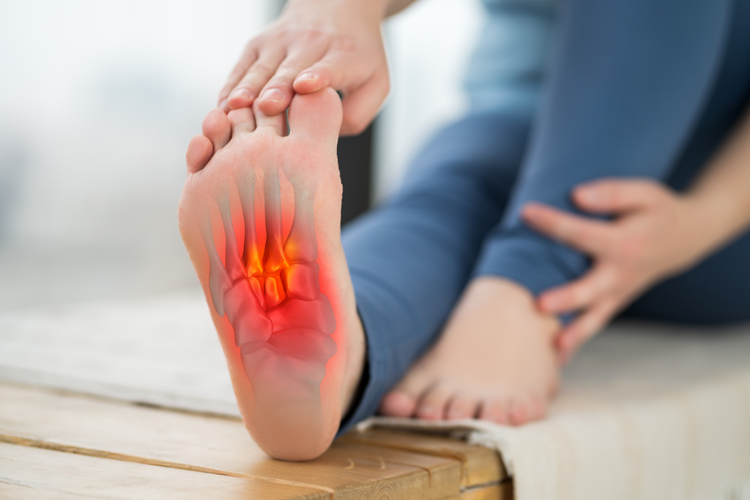
Love running but keep feeling that stubborn ache in your feet? You're not alone. Foot pain
is one of the most common issues runners face and is often a sign of an
underlying injury.
Plantar fasciitis, stress fractures, Achilles tendinopathy,
Morton's neuroma, runner's toe, and metatarsalgia are just some of the conditions that can
affect your feet. These injuries are usually linked to repetitive stress, unsuitable
footwear, training mistakes, or natural differences in how your body moves.
The
symptoms can vary depending on the injury or condition. You might notice sharp or aching
pain, swelling, numbness, or changes in how you walk or run.
In this article, we'll look at the most common running foot injuries, explore what causes them, and share tips to prevent long-term problems and keep running comfortably.
Summary of Common Running Foot Injuries
| Injury / Condition | Description & Symptoms |
|---|---|
| Plantar Fasciitis |
Inflammation of the plantar fascia.
Symptoms include sharp heel pain, worse with first steps or after running. |
| Stress Fractures |
Small cracks in the bones, often metatarsals.
Symptoms include localised forefoot pain that worsens with activity, improves with rest. |
| Achilles Tendinopathy |
Overuse injury of the Achilles tendon.
Symptoms include pain and stiffness at the back of the ankle, often worse in the morning or after running. |
| Morton's Neuroma |
Thickening of a nerve between the third and fourth toes.
Symptoms include burning, tingling, or a lump sensation under the ball of the foot. |
| Runner's Toe |
Bleeding under the toenail from repetitive trauma.
Presents as darkened nail with throbbing pain, and possible nail loss. |
| Metatarsalgia |
Pain and inflammation in the ball of the foot.
Symptoms include burning or sharp forefoot pain, often during toe-off or prolonged standing. |
What Causes or Worsens Running-Related Foot Injuries?
Running-related foot injuries often develop due to repeated stress on the feet, especially when combined with training mistakes, biomechanical imbalances, or unsuitable footwear.
Several common factors can increase your risk of injury:
- Worn-out or ill-fitting running shoes
- A sudden increase in training volume or intensity
- Poor running mechanics or abnormal gait patterns
- Inadequate rest and recovery between runs
- Frequently running on hard or uneven surfaces
- Structural foot conditions such as flat feet or high arches
1. Plantar Fasciitis
What it is: Plantar fasciitis occurs when the plantar fascia, a thick band of tissue that runs along the sole of the foot, becomes inflamed due to overuse or excessive strain. It is one of the most common causes of heel pain in runners.
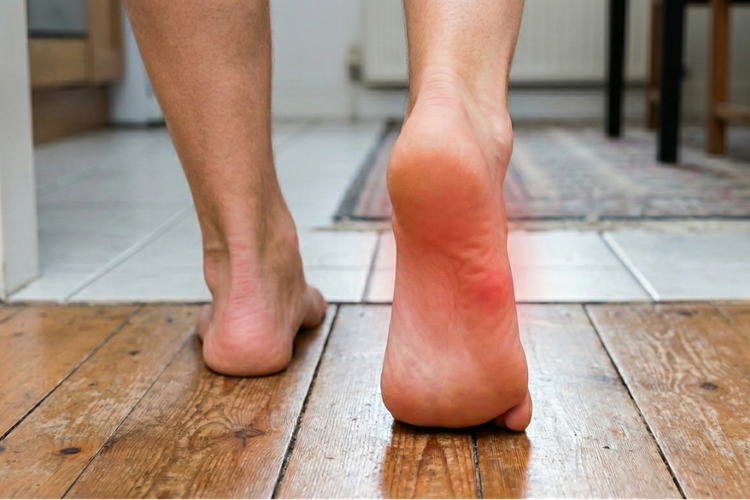
What are the symptoms: Sharp heel pain with the first steps in the
morning or after rest. The pain may worsen during or after running, particularly on
hard surfaces.
What are the risk factors: High training volume, flat feet or high
arches, and unsupportive footwear.
How is it treated: Treatment often involves reducing load on the
foot, performing regular stretching exercises for the calf and plantar fascia, and
using supportive footwear or custom orthotics.
Physiotherapy may
also be helpful,
and in some cases, shockwave
therapy is considered.
2. Stress Fractures
What it is: Stress
fractures are small cracks in bones caused by repetitive force or overuse. In
runners, they most commonly affect the metatarsal bones in the forefoot.
What are the symptoms: Localised pain that worsens with activity and
improves with rest. Unlike soft tissue injuries, stress fractures may not produce swelling
or bruising initially, making early diagnosis challenging.
What are the risk factors: Sudden increases in training load, inadequate
recovery, low bone density, and low energy availability.
How is it treated: Treatment typically involves reducing activity,
offloading the affected foot with supportive footwear or a walking boot, and gradually
returning to running under medical supervision.
3. Achilles Tendinopathy
What it is: Achilles
tendinopathy is an overuse injury affecting the tendon that connects the calf
muscles to the heel bone. It causes pain and stiffness at the back of the ankle.
What are the symptoms: Pain and stiffness in the Achilles region,
especially in the morning or during push-off. Symptoms often worsen after running.
What are the risk factors: Tight calf muscles, abrupt increases in training
volume or intensity, and running on uneven terrain.
How is it treated: Management includes eccentric strengthening exercises, adjusting training intensity
and volume, and reviewing footwear choices. Addressing biomechanical issues and training
habits helps reduce the risk of recurrence.
4. Morton's Neuroma
What it is: Morton's neuroma is a painful condition caused by thickening of a nerve between the third and fourth toes. It is often aggravated by running.
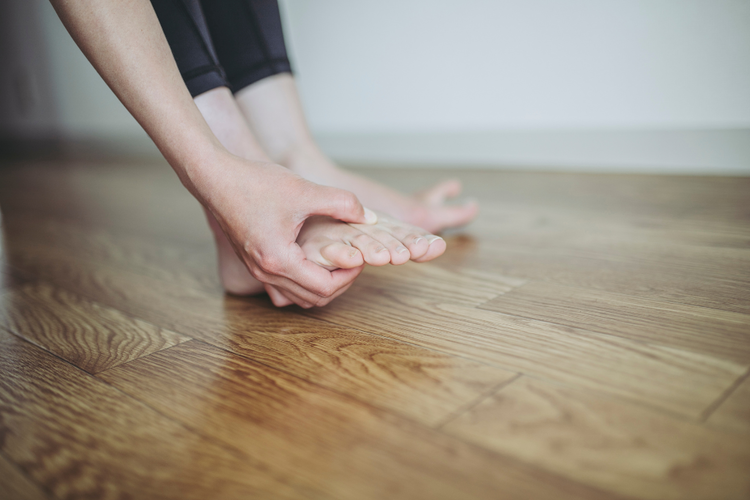
What are the symptoms: Burning, tingling, numbness, or a feeling of
a lump under the ball of the foot.
What are the risk factors: Tight or narrow footwear, repetitive
forefoot pressure during running, foot deformities, and poor forefoot cushioning.
How is it treated: Initial treatment involves switching to wider
footwear, using metatarsal pads, and modifying activities that worsen symptoms. In
more persistent cases, corticosteroid injections may be used
to relieve pain.
5. Runner's Toe (Subungual Haematoma)
What it is: Runner's toe is a condition where repetitive trauma causes bleeding under the toenail, resulting in pain,
pressure, and nail discolouration.
What are the symptoms: Darkened toenail, throbbing pain, and eventual
loosening or loss of the nail.
What are the risk factors: Tight or poorly fitted shoes, long toenails, and
repeated downhill running.
How is it treated: Mild cases often resolve on their own. If pain
is severe or the nail becomes detached, medical care may be needed to relieve pressure and
prevent infection.
6. Metatarsalgia
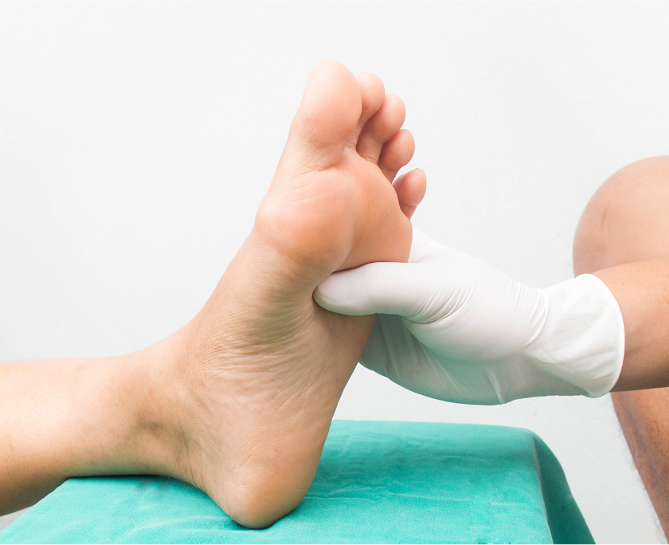
What it is: Metatarsalgia refers to pain and inflammation in the ball of the
foot, usually beneath the metatarsal heads, where pressure is concentrated
during running and walking.
What are the symptoms: Burning, aching, or sharp pain in the
forefoot, often worsened during toe-off, running, or prolonged standing.
What are the risk factors: Rapid increases in training volume, poor
forefoot biomechanics, improper gait, and foot conditions such as high arches or toe
deformities.
How is it treated: Management includes reducing aggravating
activities, using forefoot padding or orthotics, and addressing underlying
biomechanical issues.
Less Common Foot Injuries in Runners
In addition to the conditions above, runners may also encounter:
- Bunions (Hallux Valgus) – A deformity where the big toe shifts towards the second toe, causing joint prominence and pain along the inner foot. Running can worsen symptoms due to forefoot pressure.
- Extensor Tendinopathy – Inflammation of the tendons on the top of the foot, often caused by uphill running, tight laces, or stiff shoes. It leads to pain across the midfoot.
- Sesamoiditis – Inflammation of the small bones beneath the big toe joint, resulting in forefoot pain during push-off. It is often aggravated by repeated pressure on the ball of the foot during running.
- Hallux Rigidus – Stiffness and reduced motion at the base of the big toe due to joint degeneration. Runners may feel pain during toe-off and reduced propulsion.
When Should You Seek Medical Evaluation?
You should seek medical evaluation if foot pain does not improve after a period of rest, gets worse with activity, or interferes with your ability to walk or run comfortably.
Other signs that warrant medical evaluation include:
Delaying treatment may lead to longer recovery times or increase the risk of chronic pain.
How Can You Prevent Common Running Foot Injuries?
Preventing running foot injuries involves a combination of proper training habits, supportive footwear, strength conditioning, and consistent recovery practices. The following strategies can help reduce your risk:

Wear Supportive Shoes
Choose running shoes that fit your foot type and running style to provide adequate support and alignment. Replace them regularly based on mileage, visible wear, or changes in comfort to maintain proper cushioning and stability.
Follow Gradual Training Progressions
Avoid sudden increases in running volume or intensity. A progressive training plan allows your body to adapt gradually and reduces the likelihood of overuse injuries.
Incorporate Foot and Ankle Strengthening
Targeted strengthening exercises help build stability, control, and endurance in the foot and ankle, supporting more efficient and resilient movement patterns. Examples include towel scrunches, calf raises, single-leg balance drills, and resistance band exercises.
Stretching Key Muscles
Regular stretching of the calf muscles and plantar fascia maintains flexibility and reduces tension in the heel and arch, which can help prevent strain-related injuries.
Address Gait Abnormalities or Biomechanical Issues
A professional assessment can identify inefficient movement patterns or structural imbalances that increase injury risk. Targeted interventions such as gait retraining, orthotics, or physiotherapy can correct these issues and improve running mechanics.
Running places repetitive stress on the feet, which can lead to various injuries over time. We assess each runner's condition and recommend treatment to support healing and prevent recurrence.
Dr Foo Gen Lin
Find a Sports Doctor Near Me
Apex Novena
Why Do Patients Choose Apex Sports Clinic?
Sports Doctor in Singapore: Personalised & Affordable Care
One-Stop Sports Clinic
We provide comprehensive care in one clinic, from consultation, imaging, and injections through to physiotherapy, sports massage, and surgery when needed.
Keyhole Surgery Expertise
We specialise in arthroscopic keyhole surgery to treat sports injuries with precision and minimal tissue disruption, supporting faster recovery and restored joint function.
Specialist in Sports Injury Management
We combine evidence-based injury management with a proactive approach to maintaining your body's strength and function, so you can recover fully and perform at your peak.
Patient Journey
1 . Schedule Your Appointment

2 . Expert Diagnosis & Consultation

3 . Customised Treatment Plan

Schedule an Appointment

Our Insurance Partners




Frequently Asked Questions (FAQs)
Runner's foot is not a single condition, so treatment depends on the specific injury, such as plantar fasciitis, stress fractures, or metatarsalgia. Most cases improve with rest, supportive footwear, activity modification, and targeted exercises, while persistent or worsening pain requires medical assessment to identify the underlying cause. If you are experiencing ongoing pain, it is advisable to seek evaluation to determine appropriate treatment.
The most common running-related injury is plantar fasciitis, which causes sharp heel pain due to irritation of the plantar fascia. Many runners also experience conditions such as Achilles tendinopathy, stress fractures, and metatarsalgia, which tend to arise from overuse, poor biomechanics, or unsuitable footwear. If you are experiencing symptoms such as persistent heel pain, forefoot discomfort, or worsening pain during or after runs, it is advisable to seek evaluation.
Runners' feet refer to foot changes or problems that develop from repeated impact during running, such as soreness, thickened skin, toenail issues, or overuse injuries. These changes vary widely and may relate to mileage, footwear, running technique, and natural foot structure.
The 80/20 rule in running describes a training approach where about 80 percent of running is performed at an easy effort and 20 percent at a higher intensity. This distribution aims to balance aerobic development with performance gains while reducing the risk of overuse injuries that may arise from consistently high-intensity training.
Runners sometimes apply Vaseline to their feet to reduce friction and minimise the risk of blisters during longer runs. The lubrication helps prevent skin irritation in areas where shoes or socks may rub, although its usefulness can vary depending on factors such as shoe fit, terrain, and sweat levels.
A running injury may be serious if pain persists with rest, worsens during activity, or causes swelling, bruising, numbness, or difficulty bearing weight. These signs may indicate issues such as stress fractures or significant soft-tissue injury. If symptoms progress or limit walking or running, it is advisable to seek medical evaluation.
The 10 percent rule in running suggests increasing weekly mileage by no more than ten percent to lower the risk of overuse injuries. It serves as a general guideline, and some runners may need slower progressions depending on fitness level, training history, and previous injuries.
The 10 minute rule in running refers to beginning a run with about ten minutes of easy warm-up before increasing intensity. This gradual start helps prepare muscles and joints for loading and may reduce early-run discomfort or strain, especially during longer or faster sessions.
A tear may cause sudden sharp pain, swelling, bruising, or difficulty bearing weight, and symptoms may worsen with movement. Because these signs can resemble fractures or severe sprains, it is advisable to seek evaluation if you suspect a tear or cannot walk comfortably.
You may still run with runner's toe if discomfort is mild, but continued pressure on the nail can increase pain, worsen bleeding, or cause the nail to loosen. Adjusting footwear, reducing downhill running, and keeping nails short may help limit irritation. However, if pain intensifies, swelling develops, or the nail begins to lift, it is advisable to seek evaluation to prevent worsening injury.
Early signs of nerve damage often include tingling, burning, numbness, or a feeling of altered sensation in the toes or forefoot. These symptoms may develop gradually and can be linked to nerve compression, irritation, or conditions such as Morton's neuroma. Some people may also notice increased sensitivity or discomfort when walking. If symptoms persist, worsen, or interfere with daily activities, it is advisable to seek evaluation.
A midfoot strain may take several weeks to a few months to heal depending on the severity of the injury and how quickly activity is adjusted. Mild strains often settle with rest, supportive footwear, and gradual return to movement, while more significant strains may require longer recovery. If pain persists or worsens, it is advisable to consult a physiotherapist or foot specialist.
Runner's neuropathy refers to nerve irritation or compression in the foot or ankle caused by repetitive impact, tight footwear, or altered mechanics. It may lead to tingling, numbness, or burning during or after running. Symptoms vary in intensity and may improve with footwear changes, reduced pressure, or addressing gait-related contributors.
Runner's toe often resolves once pressure on the nail decreases and the injured nail gradually grows out, which may take several months. Pain and discoloration usually improve earlier, although more significant bleeding or nail loosening can prolong recovery. If pain intensifies, swelling increases, or the nail detaches, it is advisable to seek medical evaluation for appropriate assessment.
The 10-10-10 rule is a gradual conditioning method involving ten minutes of walking, ten minutes of light running, and ten minutes of steady running. It is commonly used by beginners or those returning from injury to help the body adapt progressively to increased load and reduce the risk of overuse injuries.
Pregnancy can cause foot pain due to changes in weight distribution, ligament laxity, swelling, and altered gait mechanics. These changes may create discomfort in the arches, heels, or forefoot, and symptoms often fluctuate during different stages of pregnancy. Supportive footwear, gentle exercises, and pacing activities may help relieve pressure.